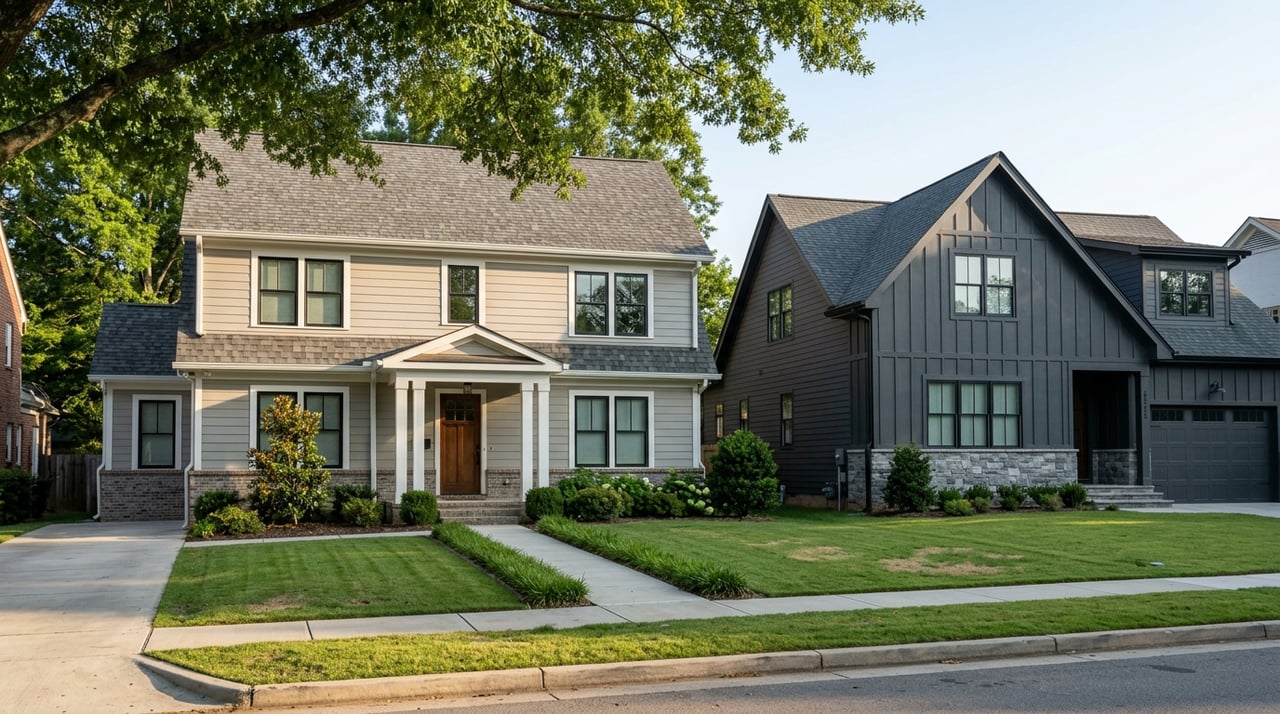
Ever wonder why two similar homes in Six Mile can have very different tax bills? You are not alone. Property taxes in South Carolina are simple once you know the key levers, but a few small details can make a big difference. In this guide, you will learn the 4% versus 6% rule, how millage works, and how to estimate your own bill in Pickens County with confidence. Let’s dive in.
South Carolina property tax basics
Assessment ratios: 4% vs 6%
South Carolina taxes residential property differently depending on how you use it. If you live in the home as your primary residence, the county classifies it at 4% of fair market value. If it is a second home, vacation home, or rental, it is usually taxed at 6%. This 4% versus 6% distinction is the single biggest driver of what you pay each year, and it comes from state rules published by the South Carolina Department of Revenue.
Assessed value and millage
Your tax bill starts with the county’s fair market value for the property. The assessed value is that number multiplied by the assessment ratio for your property class. Counties then apply a millage rate to the assessed value to calculate the total tax. One mill equals 1 dollar of tax per 1,000 dollars of assessed value. Your bill is the sum of mills from the county, school district, municipality, fire district, and any special districts that cover your parcel.
How your bill is calculated
Step-by-step formula
Use this four-step process to understand or estimate your taxes:
- Find the county fair market value (FMV) for the property.
- Apply the assessment ratio for your property class:
- Primary residence: 4%
- Second home or rental: 6%
- Subtract any county-approved exemptions or credits you qualify for.
- Multiply by the total millage, then divide by 1,000.
- Tax = (Taxable Assessed Value × Total Millage) ÷ 1,000
Always confirm the latest millage that applies to your parcel. Millage changes annually and varies by taxing district.
Example estimates with hypothetical millage
Assume a fair market value of $350,000 and a combined millage of 250 mills. This number is only an example. You should verify the current total for your address with Pickens County.
- Primary residence at 4%: Assessed value = $350,000 × 0.04 = $14,000. Estimated tax = $14,000 × 250 ÷ 1,000 = $3,500 per year.
- Second home at 6%: Assessed value = $350,000 × 0.06 = $21,000. Estimated tax = $21,000 × 250 ÷ 1,000 = $5,250 per year.
- Annual difference at the same FMV and mills: $1,750.
Now see how millage changes your bill:
- If mills were 180 instead of 250 and you have a 4% primary, tax = $14,000 × 180 ÷ 1,000 = $2,520.
- If mills were 320 and you have a 6% second home, tax = $21,000 × 320 ÷ 1,000 = $6,720.
Small changes in mills or classification can add up. That is why confirming your property class and the correct millage is essential before you buy.
Owner-occupied vs second home
Making your Six Mile home your primary
To receive the 4% classification, you must occupy the home as your legal residence and complete the county’s owner-occupied process. Expect to provide an application or affidavit plus documents like a South Carolina driver’s license, voter registration, and vehicle registration that reflect the address. Deadlines and required items can vary by county, so check with the Pickens County assessor or auditor to make sure your paperwork is filed correctly and on time.
Switching from 6% to 4%
Classification generally applies to the tax year. Whether a change from 6% to 4% takes effect this year or next depends on when you establish legal residence and file the necessary documents. Ask the county about timing, effective dates, and whether a refund or credit could apply if you qualify mid-year.
Pickens County steps for Six Mile buyers
Six Mile properties are in Pickens County, and your total millage can vary depending on municipal and special district boundaries. Use these steps to get a reliable estimate and plan ahead:
- Look up the parcel in the county property search to confirm the county’s fair market value, classification, and any recorded exemptions. Search for “Pickens County property search” or “Pickens County assessor.”
- Ask the seller or listing agent whether the seller has claimed the home as owner-occupied. This helps you understand when you can change the classification after closing.
- If you intend to make the home your primary residence, learn the county’s owner-occupied filing process and deadlines. Be ready with your affidavit and supporting documents.
- Verify the latest millage schedule for your exact parcel. Search “Pickens County millage rates” and add up the mills for the county, school district, municipality (if any), fire district, and any special districts.
- If the county’s fair market value looks out of line, contact the assessor to understand reappraisal timing and appeal procedures.
Comparing nearby Oconee County
If you are also shopping near Lake Keowee or across the county line, repeat the same checks in Oconee County. Look up the parcel, confirm the county’s fair market value, verify the property class, and pull the combined millage for the taxing districts that cover that address. Oconee’s millage and any local relief programs can differ from Pickens, so confirm details in that county to make an apples-to-apples comparison.
Common exemptions and relief
The 4% owner-occupied classification is separate from other relief. Counties may administer exemptions for seniors, disabled homeowners, or qualifying veterans, as well as programs that cap or reduce increases in certain situations. These programs usually require an application and sometimes have age or income thresholds. Check with the Pickens County auditor or assessor for available programs and how to apply.
Estimating your taxes in minutes
Use this quick checklist to build a working estimate before you even write an offer:
- Find the county fair market value for the property.
- Decide whether you will claim 4% (owner-occupied) or 6% (second home or rental) and apply that ratio to get assessed value.
- Add up the current mills for every taxing entity tied to the parcel, then compute: Tax = (Assessed Value × Total Mills) ÷ 1,000.
Remember that your purchase price is not always the same as the county’s fair market value, especially if the county has not reappraised the neighborhood recently. If you have questions about personal tax treatment, mixed use, or short-term rental plans, speak with your CPA.
Questions to ask before you buy
- Is the property currently classified as owner-occupied or non-owner-occupied?
- When was the property last reappraised by the county, and what is the current county fair market value?
- Which taxing districts apply to this parcel, including school, fire, and any special purpose districts?
- What are the filing requirements and deadlines to claim the 4% primary residence classification after closing?
- Are there any exemptions or credits the property might qualify for, and how do I apply?
Avoid common mistakes
- Assuming the 4% rate applies automatically after closing. You must occupy the home and complete the county process.
- Using the contract price instead of the county’s fair market value when estimating taxes. Always check the county’s numbers.
- Ignoring special districts that add mills to your total. Confirm every taxing entity that covers your parcel.
- Missing filing or appeal deadlines. Ask the county offices to confirm dates and documentation.
Local help when you need it
If you are buying in Six Mile or comparing homes in Pickens and Oconee, clear tax guidance can save you real money. Our team lives and works across the Western Upstate, so we know how local millage and classification decisions play out in real transactions. If you want a quick walkthrough of your target property’s likely tax bill, reach out to Thomas & Crain Real Estate. We are happy to help you estimate, verify, and plan ahead.
FAQs
How do South Carolina assessment ratios affect my Six Mile home?
- South Carolina taxes primary residences at 4% of fair market value and second homes or rentals at 6%, which is the main reason similar homes can have different tax bills.
What is a millage rate, and why does it vary by address?
- Millage is the tax per $1,000 of assessed value, and your total is the sum of mills from the county, school district, municipality, fire district, and special districts that serve your parcel.
How do I claim the 4% owner-occupied rate in Pickens County?
- Occupy the home as your legal residence and complete the county’s application or affidavit with supporting documents like your SC driver’s license and voter registration, then meet the county’s deadline.
Can I switch from 6% to 4% partway through the year?
- It depends on when you establish legal residence and file; classification usually applies for the tax year, so confirm effective dates and any refund policies with the county.
Will the county tax value match my purchase price?
- Not always; county fair market value can lag market changes until the next reappraisal cycle, and you can ask about appeal procedures if the value seems high.
Do mortgages in South Carolina include property tax escrow?
- Many loans include an escrow account for taxes and insurance, but requirements vary by lender, so confirm whether your taxes will be paid through escrow and how bills are handled.
How are short-term rentals or mixed-use homes taxed?
- Mixed or commercial use can change the property’s classification and assessment ratio, and short-term rentals can trigger different rules, so verify the correct classification with the county before you start.