Buying a home in Seneca and wondering what “due diligence” really means in South Carolina? You’re not alone. The term carries real deadlines, real money, and real decisions, especially around Lake Keowee and across Oconee County. In this guide, you’ll learn how the due diligence period works, what to inspect first, how money flows, and how to protect your position without missing critical dates. Let’s dive in.
What due diligence means in South Carolina
In South Carolina, most residential contracts include a negotiated Due Diligence Period and a separate Due Diligence Fee. You and the seller agree on both when you sign the contract. The fee is paid directly to the seller at acceptance. It is normally nonrefundable, but it is credited to you at closing per the contract.
Earnest money is a different deposit. It goes to a third-party holder named in the contract. Whether earnest money is refundable depends on the contract and when you terminate. If you timely end the deal during the Due Diligence Period as allowed by the contract, you may recover earnest money, but the seller usually keeps the due diligence fee. If you try to terminate after the deadline, you risk losing earnest money or other remedies outlined in the contract.
The key takeaway: the due diligence fee adds urgency. You want inspections, title review, and lending steps moving fast so you can make informed choices before the deadline.
How long due diligence lasts in Seneca
There is no fixed length in state law. Typical ranges are 7 to 30 days, depending on the market, property type, and your financing. In active conditions, many sellers prefer 10 to 14 days. For complex or rural properties, buyers often negotiate more time.
A simple roadmap looks like this:
- Day 0: Contract accepted. You pay the due diligence fee to the seller and submit earnest money per the agreement.
- Days 0–3: Lock in appointments for general home, septic, well, and pest inspections. Ask your lender to order the appraisal and title work.
- Days 3–10: Complete inspections, review reports, and prepare repair or credit requests. Title commitments often arrive in this window if ordered promptly.
- Deadline day: Deliver any termination notice or amendment in writing per the contract.
- Closing: If you proceed, the due diligence fee is credited. If you terminated on time, earnest money handling follows the contract terms.
Scheduling reality in Oconee County
Because Seneca and Oconee County are less dense than larger metros, vendor calendars matter. Typical local lead times can look like this:
- General home inspector: 2–7 business days; longer in peak seasons.
- Septic inspection or soil evaluation: 7–21 days depending on availability and scope.
- Well water testing: 3–10 days to schedule; allow several days for lab results after sampling.
- Pest/WDI inspection: 3–10 days.
- Specialty contractors (roofers, structural engineers): 1–3 weeks.
If your due diligence window is short, you need to book inspections immediately. For homes with septic or well systems or lakefront restrictions, consider negotiating a longer period so results arrive before the deadline.
What to inspect and verify
Order the essentials early so you have time to respond to findings:
- General home inspection to assess structure, roof, HVAC, electrical, and plumbing.
- Wood-destroying insect inspection. Many lenders expect a clear WDI letter.
- Septic system review if there is no municipal sewer. Confirm system type, service records, and permit history. If records are missing, schedule a professional evaluation.
- Well water testing for bacteria and nitrates, plus other local concerns as needed. Confirm lab requirements and timing.
- Floodplain check for Lake Keowee, Lake Hartwell, and low-lying areas. Flood zones can affect insurance and lending.
- Environmental and land-use checks on lakefront or rural parcels. Look into wetlands, buffers, and shoreline setbacks.
- Survey or boundary confirmation, especially for acreage, shared drives, or unclear lines.
- Targeted tests for older homes as needed, such as lead-based paint, asbestos, or mold.
Local records to check include septic and well permits with county environmental health, building permits with the county or City of Seneca, and flood maps with local floodplain administrators. If you’re using FHA or VA financing, talk with your lender about program-specific repair and safety standards.
Money flow and negotiation outcomes
Plan for three buckets of money and outcomes:
- Due diligence fee: paid to the seller at acceptance, normally nonrefundable, credited to you at closing.
- Earnest money: held by a third party; refund rights depend on the contract and timing of termination.
- Repairs and credits: after inspections, you can request repairs, a credit, a price adjustment, or proceed as-is.
Common patterns in the Seneca area include sellers addressing health and safety items, offering a closing credit for bigger projects, or holding firm on cosmetic issues. For septic, well, roof, or structural findings, negotiations may involve a credit, price change, seller-performed repairs, or buyer termination within the due diligence window. Title or survey issues should be flagged early so the seller has time to cure or negotiate a remedy.
A buyer’s step-by-step roadmap
- On acceptance: Pay the due diligence fee to the seller and deliver earnest money per the contract.
- Immediately: Schedule general, pest/WDI, septic, and well inspections; order a survey if needed.
- Ask your lender to order the appraisal and the title search; request HOA documents if applicable.
- Review inspection and title reports as soon as they arrive; draft repair or credit requests.
- If unsatisfied, deliver a written termination or amendment before the due diligence deadline.
- If proceeding, confirm repairs or credits in writing and track completion before closing.
- At closing, confirm the due diligence fee is credited and earnest money is handled per the contract.
Common pitfalls and how to avoid them
- Underestimating time: If septic, well, or lakefront rules apply, ask for at least 10–14 days.
- Delaying scheduling: Book inspectors within 24–48 hours of acceptance and confirm in writing.
- Mixing up deposits: Remember, the due diligence fee is typically nonrefundable and separate from earnest money.
- Skipping utilities and access: Verify water source, power availability, and driveway or easement responsibilities.
- Ignoring flood and shoreline rules: Check flood zones and local shoreline setbacks early.
- Misaligned lender timelines: Coordinate appraisal and underwriting so lender steps do not push past your due diligence deadline.
- Expecting full cosmetic repairs: Many sellers focus on health and safety, not cosmetics. Budget accordingly.
Lakefront and rural tips
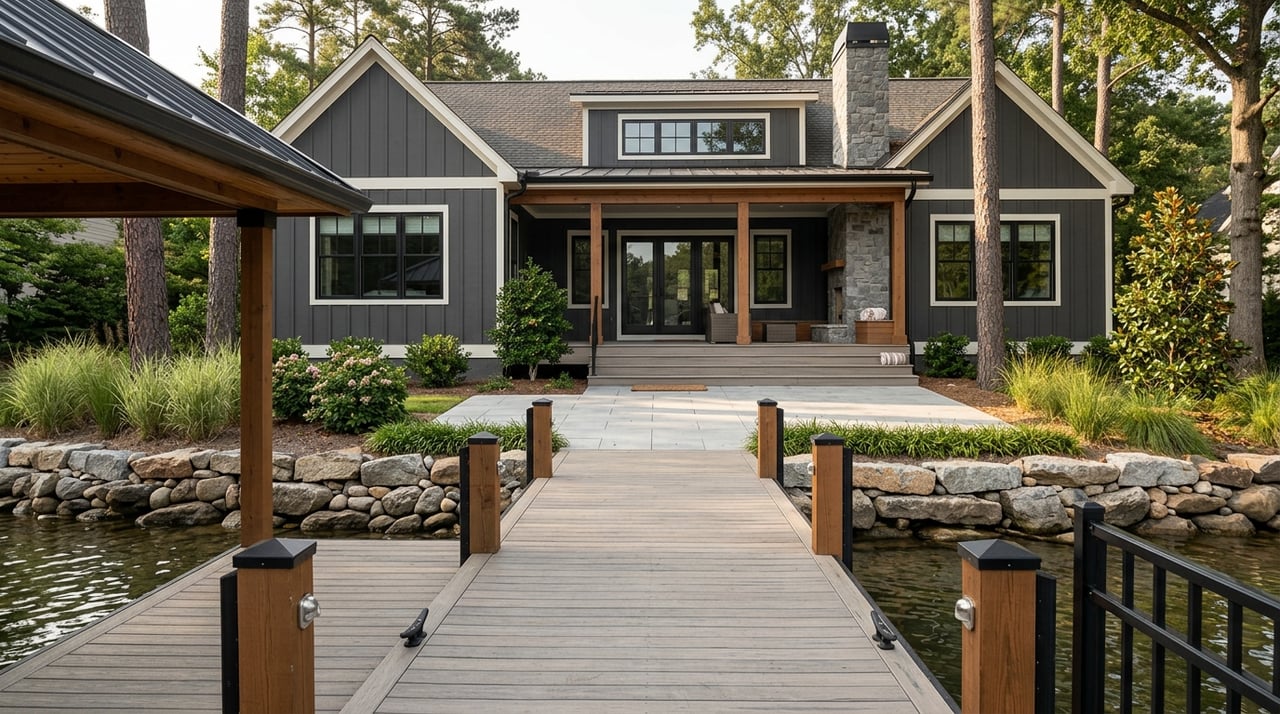
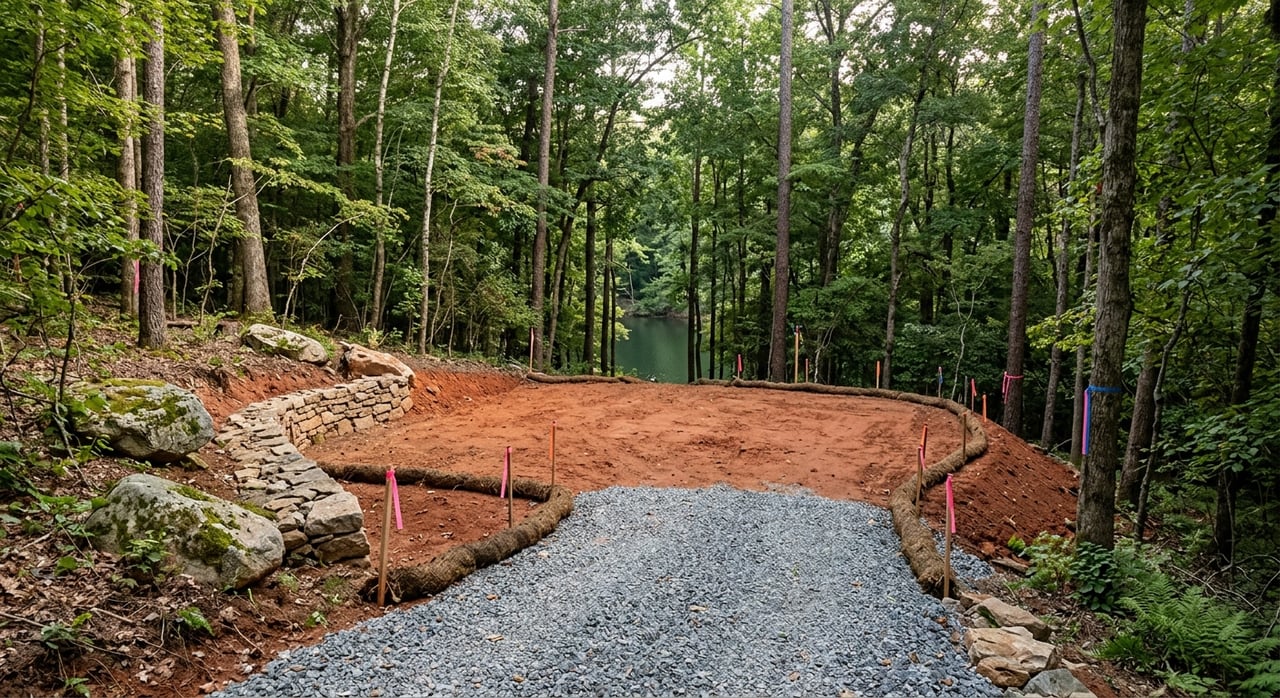
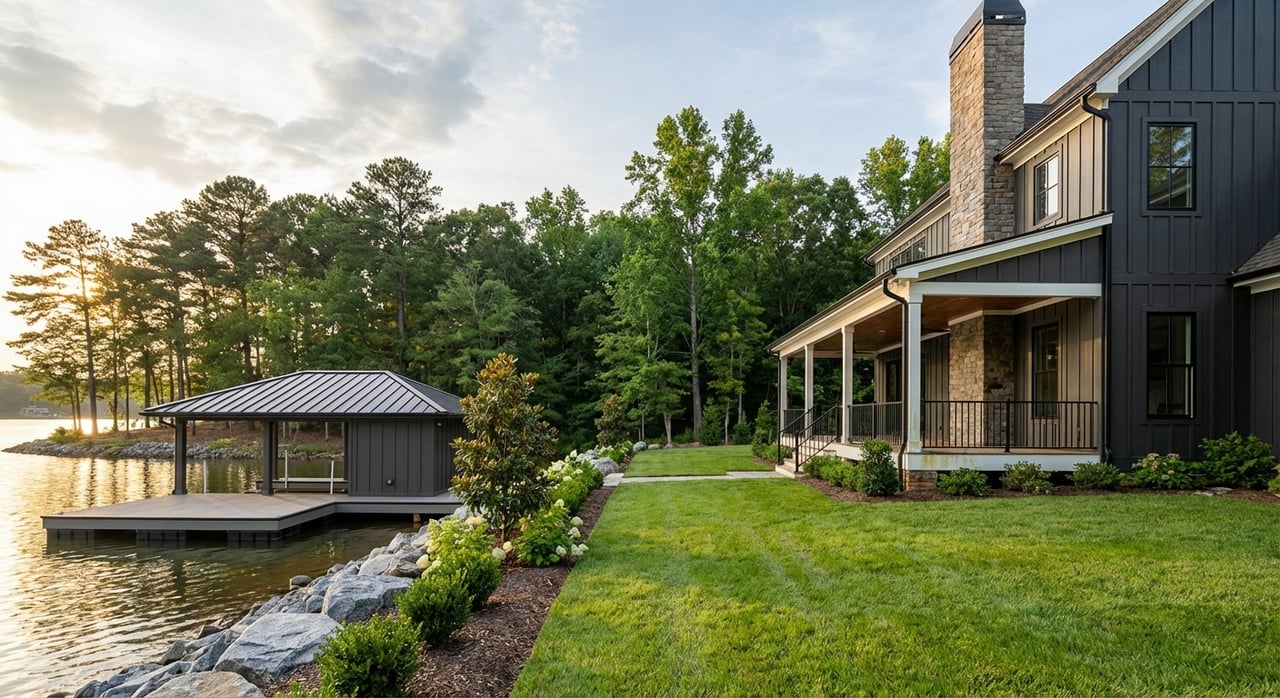
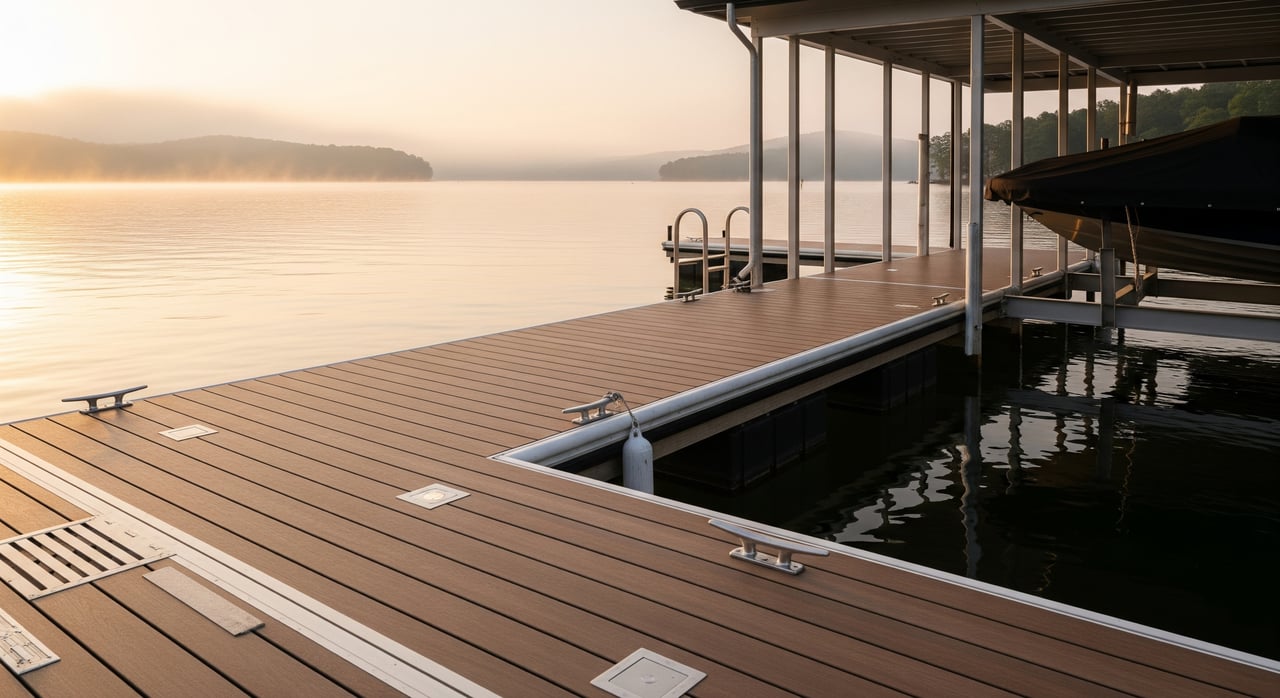
If you are eyeing Lake Keowee or rural Oconee parcels, build in extra time for septic evaluations, water testing, and shoreline or buffer reviews. Ask early about recorded easements, shared drives, and any restrictions on docks, clearing, or additions. Flood zone status can change your insurance and approval path, so make that determination up front.
Align with your lender
Government-backed loans like FHA and VA may require certain repairs or safety items before closing. Share your inspection reports quickly and ask your lender to confirm any must-fix items. If additional time is needed for appraisal or underwriting, request a due diligence extension in writing before the deadline.
Final thoughts
Due diligence is your window to verify condition, title, lending, and location-specific risks. In Seneca and across Oconee County, quick scheduling and clear communication can save you money and stress. For contract-specific questions, coordinate with your real estate attorney and your lender, and always follow the written terms and deadlines in your agreement.
If you want local, hands-on guidance through each step, reach out to Thomas & Crain Real Estate. We’ll help you set a smart timeline, line up the right inspections, and negotiate with confidence.
FAQs
What is the South Carolina due diligence fee and is it refundable?
- It is a negotiated amount paid to the seller at acceptance, usually nonrefundable to you, and credited at closing per the contract.
How long is a typical due diligence period for a Seneca home purchase?
- It is negotiated; common ranges are 7 to 30 days, with many sellers favoring 10–14 days in active markets.
Which inspections are most important for Lake Keowee or rural Oconee properties?
- General and pest/WDI inspections plus septic evaluation, well water testing, floodplain checks, and a survey are high priorities.
What happens to my earnest money if I terminate during due diligence in South Carolina?
- If you terminate within the period as allowed by the contract, you may recover earnest money; the due diligence fee typically stays with the seller.
How do flood zones near Lake Keowee affect the buying process?
- Flood zones can affect insurance costs and lender requirements, so confirm status early and factor it into your budget and timeline.
Can I extend my South Carolina due diligence deadline if inspections run long?
- Extensions are possible only if both parties agree in writing before the original deadline; plan ahead and request early.
What if the seller refuses repairs after inspections in Oconee County?
- You can negotiate a credit, request price changes, accept the home as-is, or terminate within the due diligence window if allowed by the contract.