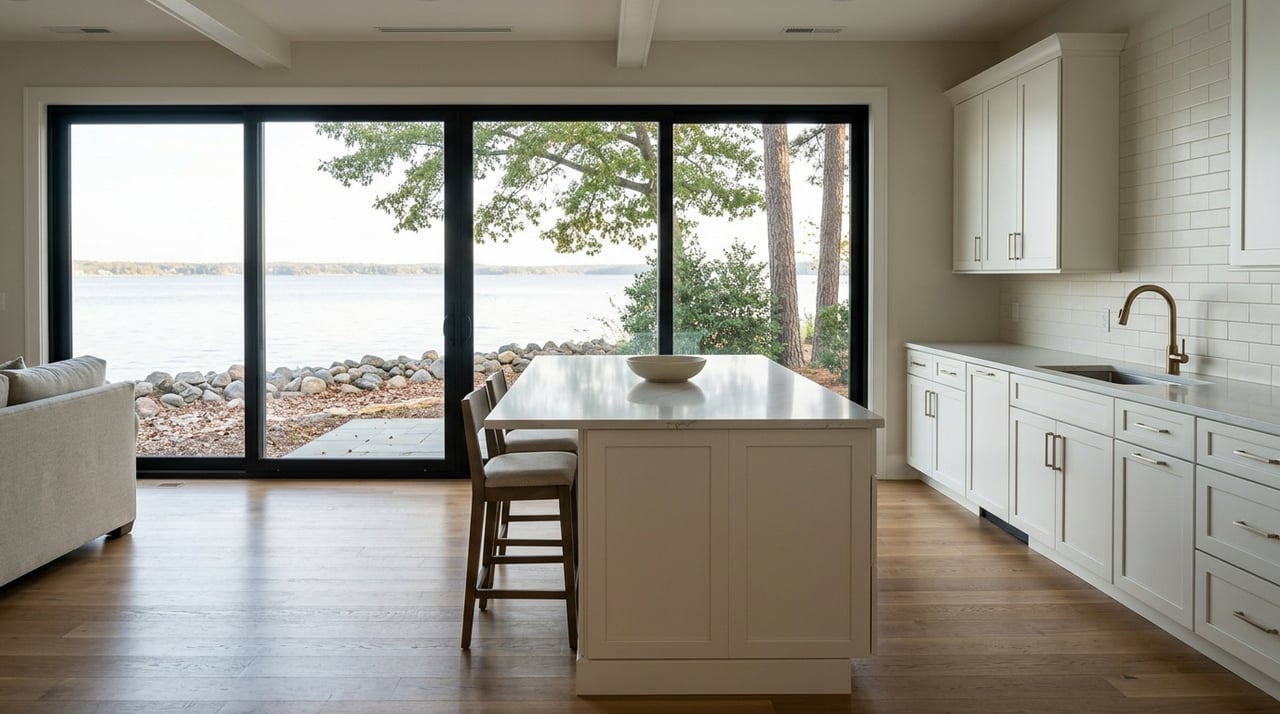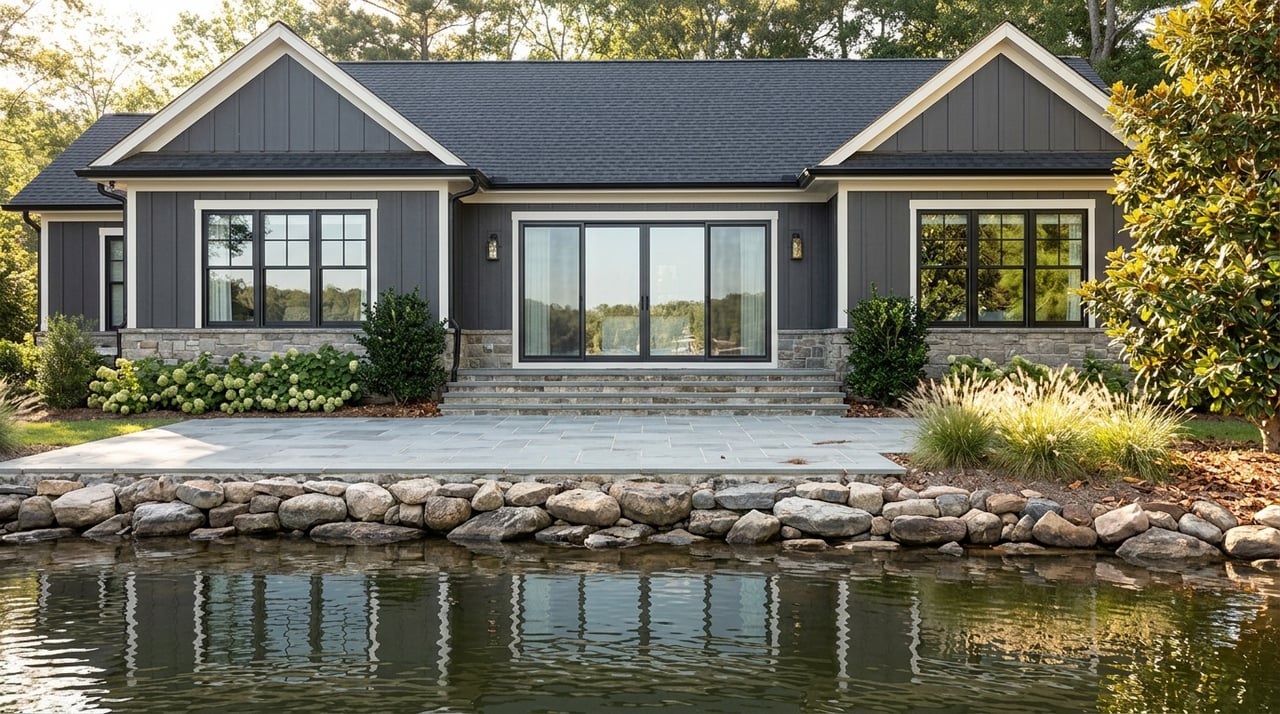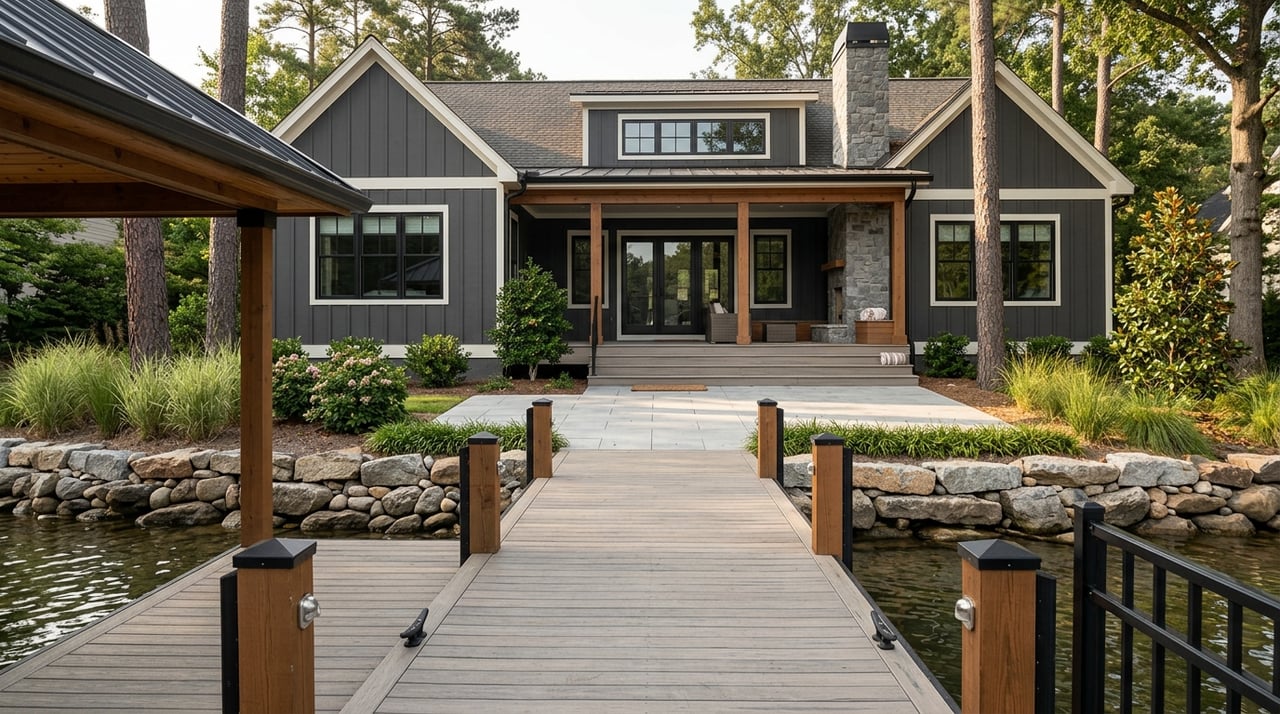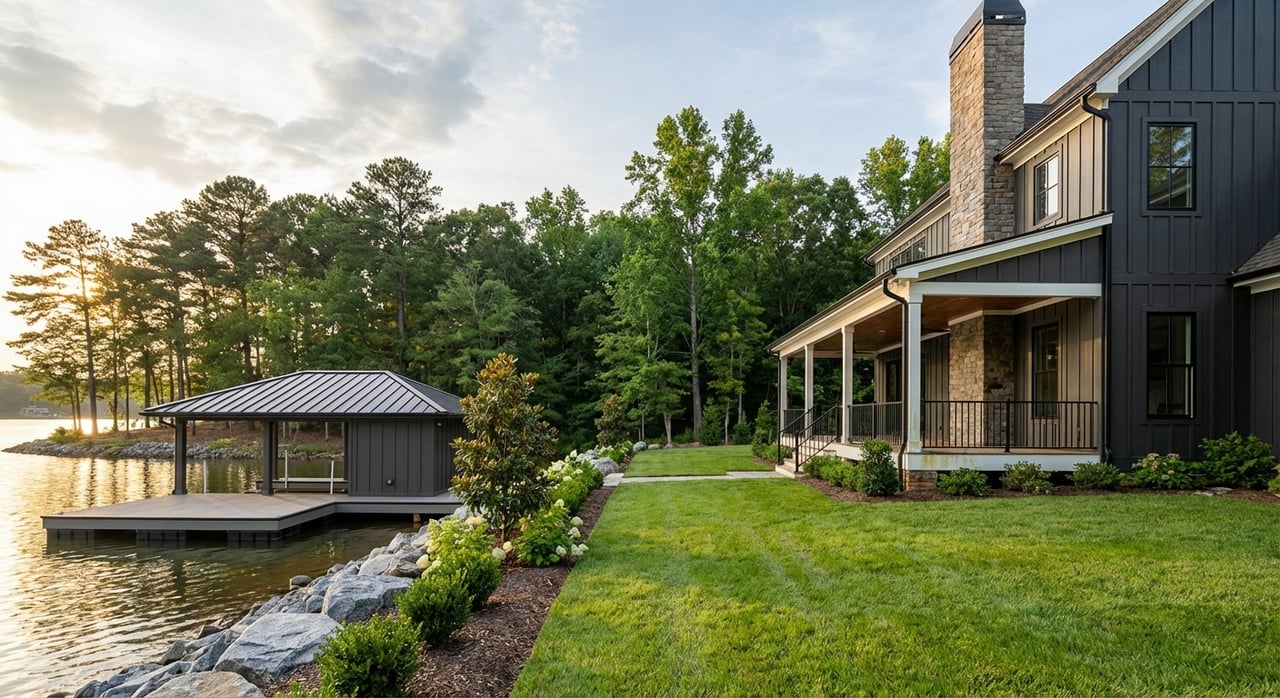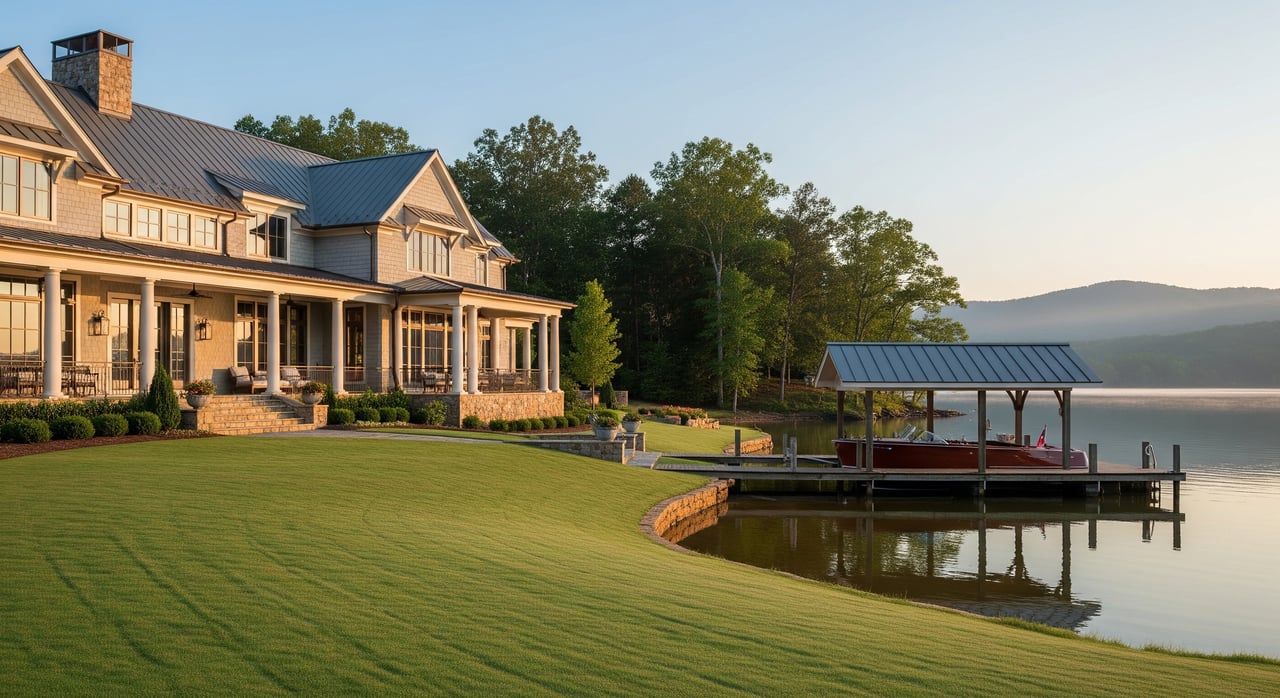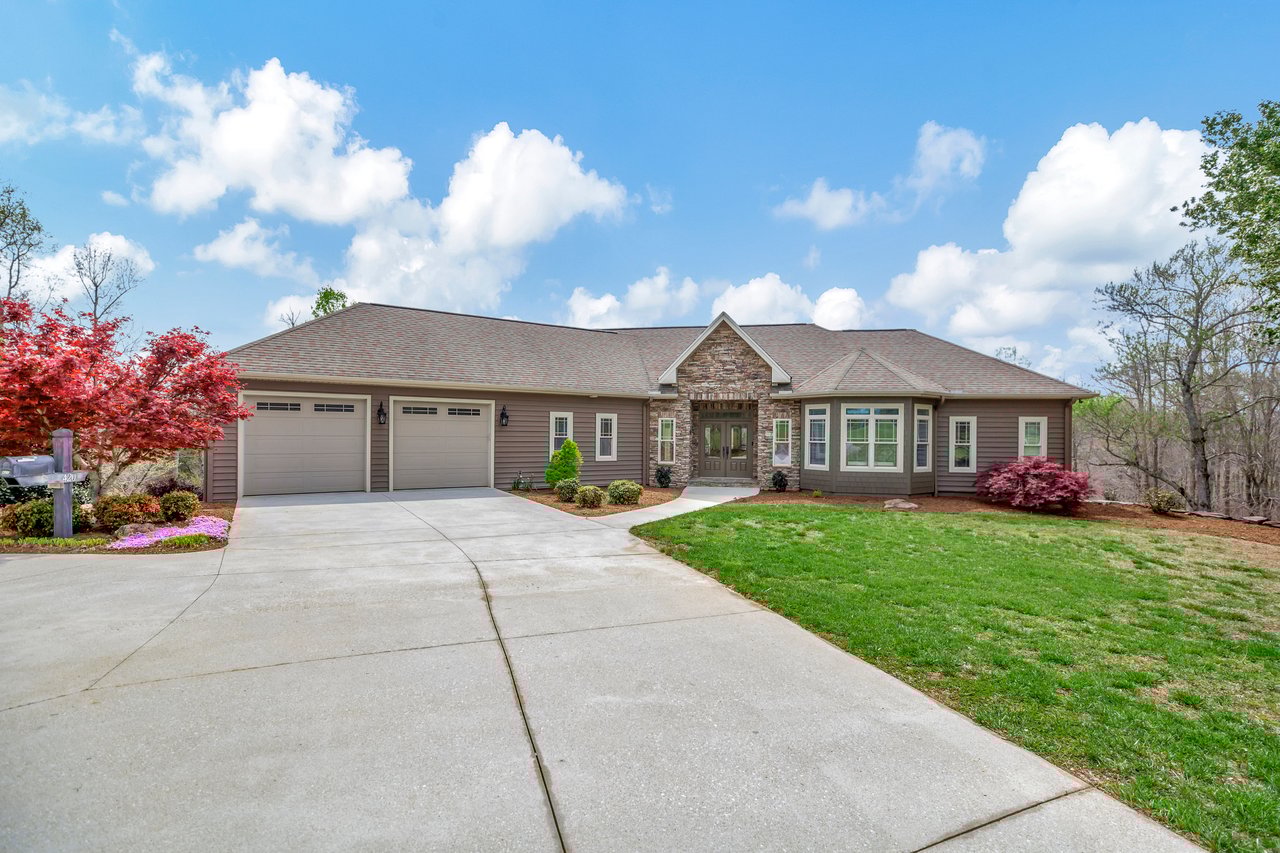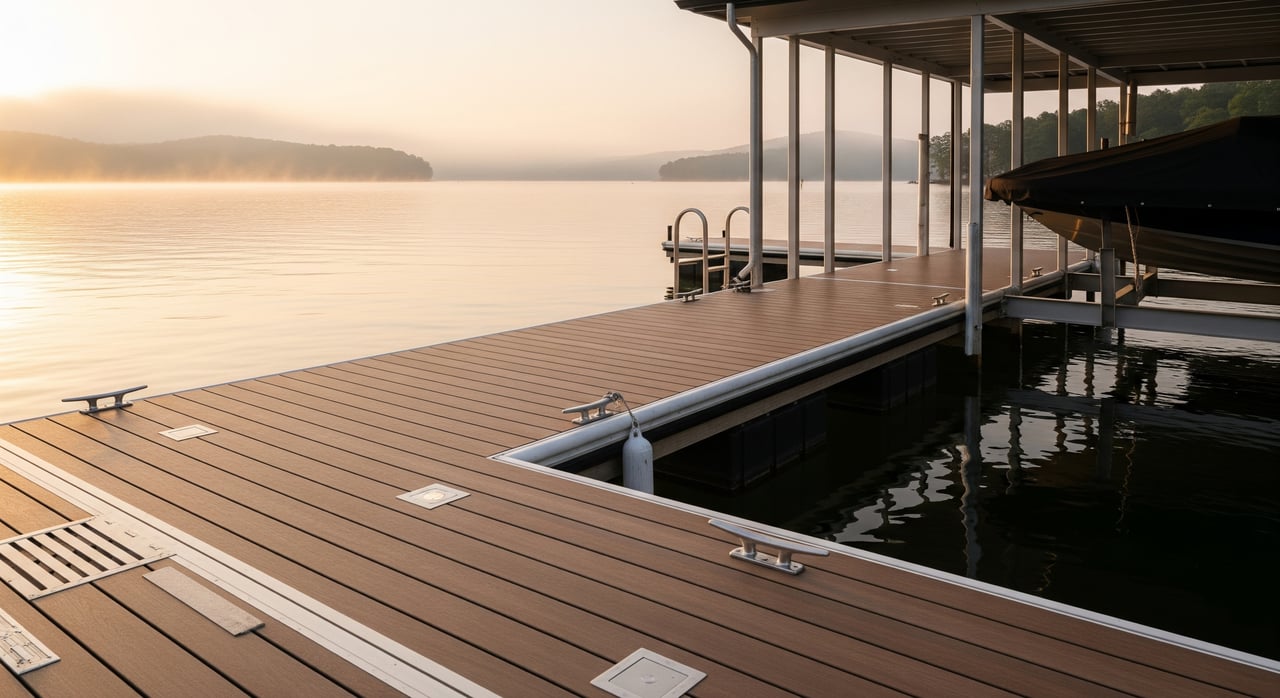
Picture this. You find the perfect Lake Keowee home near Salem, and the dock looks like the ideal launch point for morning cruises. Then you discover the dock permit does not automatically transfer with the property. If you are buying on Lake Keowee, understanding how dock permits work can protect your budget and your closing timeline. This guide breaks down who controls docks, how shoreline rules affect what you can build or keep, how transfers work, and the steps to take before you write an offer. Let’s dive in.
Who controls Keowee docks
Duke Energy’s Shoreline Management Program is the primary authority for docks and shoreline use on Lake Keowee. Any dock, boatlift, covered structure, or shoreline modification generally requires Duke review and written authorization. The Shoreline Management Program sets what is allowed, what documents you need, and when fees apply.
Oconee County also plays a role. Local planning and building departments handle county permits, building codes, septic and floodplain considerations, and inspections related to dock or shoreline work. Some projects need both Duke authorization and county approvals.
Federal and state agencies can be involved depending on the scope of work. The U.S. Army Corps of Engineers may require federal authorization for certain in‑water activities. South Carolina agencies, such as DHEC, may review water quality or wetlands issues when relevant.
Private rules can add another layer. Recorded covenants, HOA guidelines, and easements can limit dock size, location, number of slips, or materials. In practice, you will want to start with Duke, then confirm county, federal, state, and HOA requirements.
Why shoreline class matters
What shoreline classification is
Duke classifies shoreline segments around Lake Keowee based on use, ecological sensitivity, and reservoir management goals. That classification controls if a property can have a dock, the size and style allowed, and how it must be built. It also influences setbacks, construction standards, and environmental protections.
How it affects your plans
A lot that looks ideal for a dock may sit on a restricted shoreline where new structures are limited or not allowed. On more permissive segments, you may be able to license a floating dock and a lift, while sensitive areas may restrict covered slips or roof structures. Always confirm the current classification before you rely on a dock as part of your purchase.
Classifications can evolve
Shoreline classifications can be updated through Duke’s program reviews. A site-specific evaluation can also change expectations for what is allowed. Because rules and interpretations can shift, build in time to verify the current designation for the exact waterfront segment you are buying.
Common dock types and limits
Floating vs. fixed docks
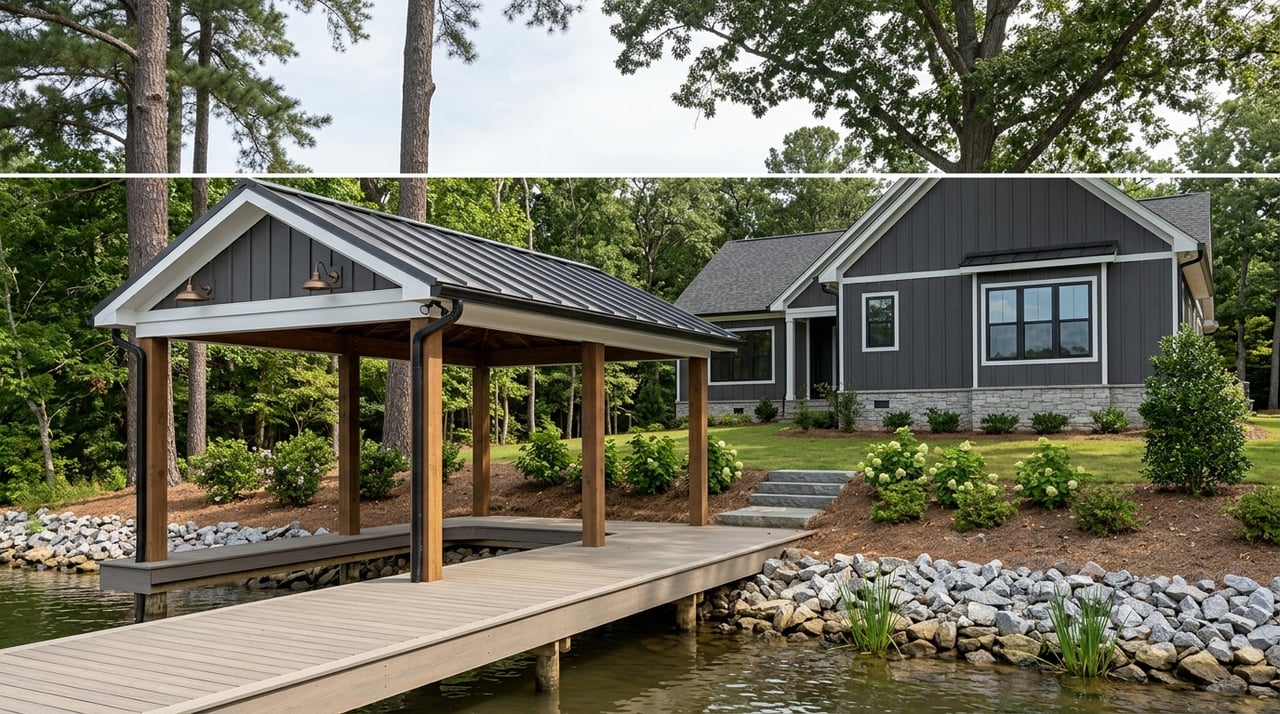
You will see two main residential dock styles on Lake Keowee. Floating docks rest on flotation and adjust to water-level changes, which suits a reservoir environment. Fixed or pile‑supported structures are more permanent and can trigger stricter engineering and environmental standards.
Covered slips, canopies, and lifts
Boatlifts are common, but spacing, depth, and impact rules apply. Covered lifts or roofed slips tend to face tighter limits, especially on sensitive shorelines. Seasonal docks or removable elements may be allowed in some cases, depending on site conditions and classification.
Setbacks, materials, and navigation
Docks typically must sit within the owner’s riparian frontage and clear minimum distances from neighboring structures. Material and construction methods often aim to protect water quality and habitat. Navigation and safety standards, such as lighting or reflectors, may also apply.
How transfers work at closing
License vs. ownership
On Duke‑managed lakes, a dock is usually authorized by a revocable license or permit held by the property owner. That license is not a deeded property right. Transfers usually require Duke’s written approval, paperwork from the new owner, and payment of any applicable transfer fee.
Typical transfer steps
Sellers should provide a copy of the current Duke license and evidence that there are no open violations. As a buyer, you will notify Duke, submit transfer forms, and sign the license terms. Duke may inspect or confirm compliance. If a dock is not compliant with current rules, transfer can be conditioned on repairs or modifications.
Possible outcomes
A smooth transfer happens when the license is current and the dock meets today’s standards. Sometimes the transfer is approved only after specific changes. When a license is expired, in violation, or nontransferable, you could be denied and required to apply for a new permit or even remove or relocate the dock.
Surveys and documents to request
What a survey should show
A recent boundary or improvement survey is essential. Look for clear property lines and riparian frontage, the dock location in relation to those lines, and the normal pool elevation that Duke references. The survey should also help verify setbacks, adjacent dock spacing, and whether any encroachments or easements exist.
Key documents for your offer
- Current Duke Energy dock license or permit and any recent correspondence
- Seller’s evidence of compliance and any violation notices or resolutions
- The property deed and any recorded easements or covenants
- Recent survey showing the dock and the normal pool line
- As‑built drawings, maintenance records, and contractor permits
- HOA covenants or neighborhood dock rules, if applicable
- Title report and any recorded liens tied to the dock or license
Timelines, costs, and risks
Typical timelines
Duke’s transfer or permit processing can take weeks to months. New dock permits tend to take longer, since site review and environmental coordination may be needed. County permits can add weeks for plan review or inspections. Build realistic contingencies into your contract so your closing does not outpace approvals.
Costs to plan for
Expect application or transfer fees, inspection fees, and surveys. Construction or repair costs vary with dock type, materials, and local contractor rates. If a dock must be modified to comply with current rules, factor in potential remediation or relocation costs. Confirm current fees and requirements directly with Duke and Oconee County before you finalize your budget.
Key risks to evaluate
- License that is nontransferable, expired, or revoked
- Hidden violations or liens attached to the dock or license
- Shoreline classification changes that limit future replacement options
- Storm damage or fluctuating water levels that increase maintenance needs
- Insurance gaps for dock structures or watercraft liability
Pre‑offer checklist for buyers
Use this quick list to protect your position before you submit an offer on a Salem lakefront property:
-
From the seller
- Copy of the current Duke dock license and any correspondence or violation notices
- Most recent survey showing the dock, property lines, and normal pool line
- As‑built drawings or contractor work orders for the dock and lift
- Written disclosure about any disputes with neighbors, the HOA, or Duke
-
Independently verify
- Current shoreline classification and license status with Duke’s Shoreline Management Program
- Oconee County building and permit records to confirm required permits were pulled and closed
- Whether any federal or state authorizations were needed and obtained
- Title search for encumbrances, easements, or liens related to the dock or license
-
Consult before waiving contingencies
- Licensed land surveyor familiar with Lake Keowee
- Local marine contractor or marina with Keowee experience for condition and replacement estimates
- Real estate attorney or title professional for transfer and risk assessment
- Environmental consultant if shoreline sensitivity or wetlands are suspected
Local steps for Salem buyers
Start with a call to Duke Energy’s local shoreline manager for Lake Keowee to confirm the property’s shoreline classification and the path to license transfer. Contact Oconee County Building and Codes to understand local permits and inspections for any planned repairs or modifications. Coordinate with your surveyor early so site plans are ready if Duke requests them. Keep your lender and closing attorney in the loop about permit timelines so your contract dates stay realistic.
Your next move
Buying on Lake Keowee is about more than the view. A clear plan for dock permits protects your lifestyle and your investment. If you want a second set of eyes on a specific property or need introductions to surveyors, marine contractors, or local officials, we are here to help. Connect with Thomas & Crain Real Estate to map out a clean path from offer to dock use on closing day.
FAQs
Can any Salem property on Lake Keowee add a dock?
- Not necessarily. Eligibility depends on Duke Energy’s shoreline classification for that segment, current Shoreline Management Program rules, and any county, federal, state, or HOA overlays.
If a Lake Keowee home already has a dock, will it transfer to me?
- Not automatically. Transfers typically require Duke’s written approval, a transfer application, and fees. Non‑compliant or expired licenses can delay, condition, or block transfer.
Do I need a survey to transfer or build a Lake Keowee dock?
- Yes. A recent survey or site plan is commonly required to show property lines, dock location, normal pool elevation, setbacks, and any encroachments or easements.
Are covered slips or roofed docks allowed on Lake Keowee?
- Often with more limits than open slips. Approval depends on shoreline classification and lake rules, which can restrict or prohibit roofs on certain segments.
Who is responsible for dock maintenance and insurance on Lake Keowee?
- The license holder is typically responsible for maintenance, repairs, and liability. Confirm the scope of your homeowner and watercraft insurance with your carrier.
What happens if a dock violates Duke’s Shoreline Management Program?
- The seller may need to remedy issues before transfer, and Duke can require modification or removal. Buyers should require full disclosures and aim to resolve violations before closing.