Are you wondering if now is the right time to buy in Walhalla or elsewhere in Oconee County? You are not alone. The market here shifts by pocket and season, so knowing how to read the signals can help you act with confidence. In this guide, you will learn the key indicators to watch, what they mean for your leverage, and how to tailor your offer in local submarkets. Let’s dive in.
Why Oconee varies by pocket
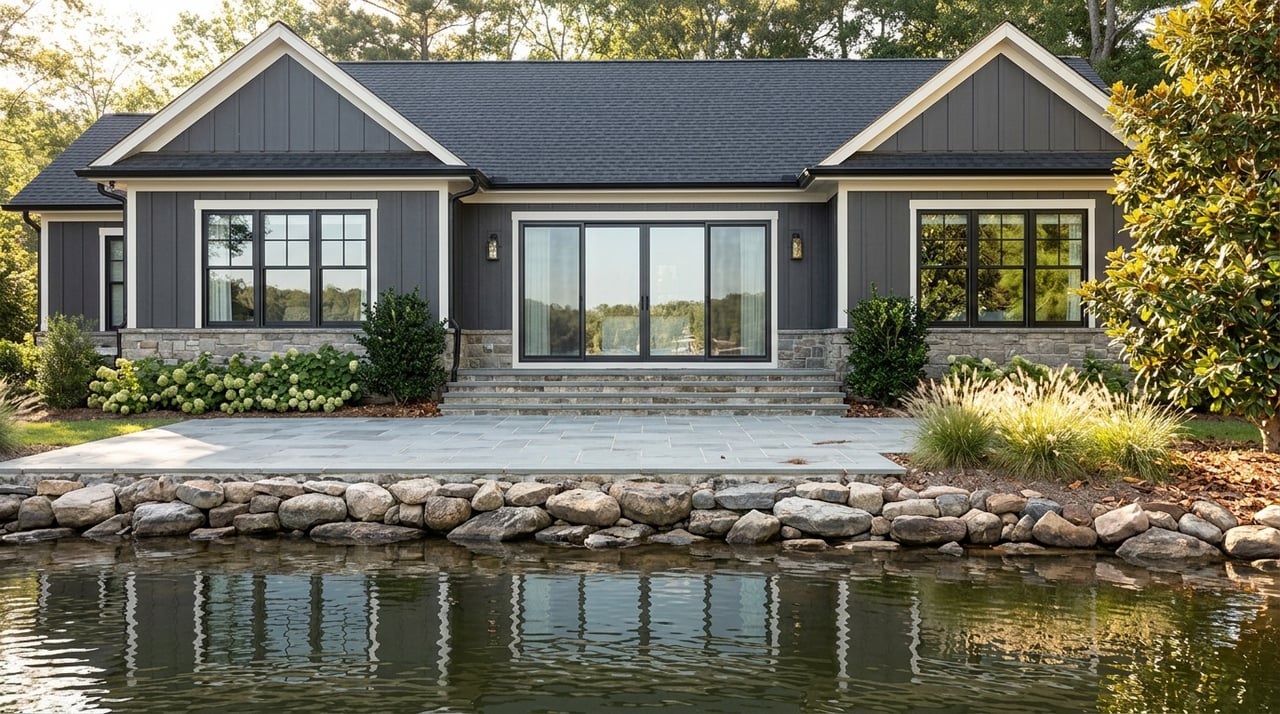
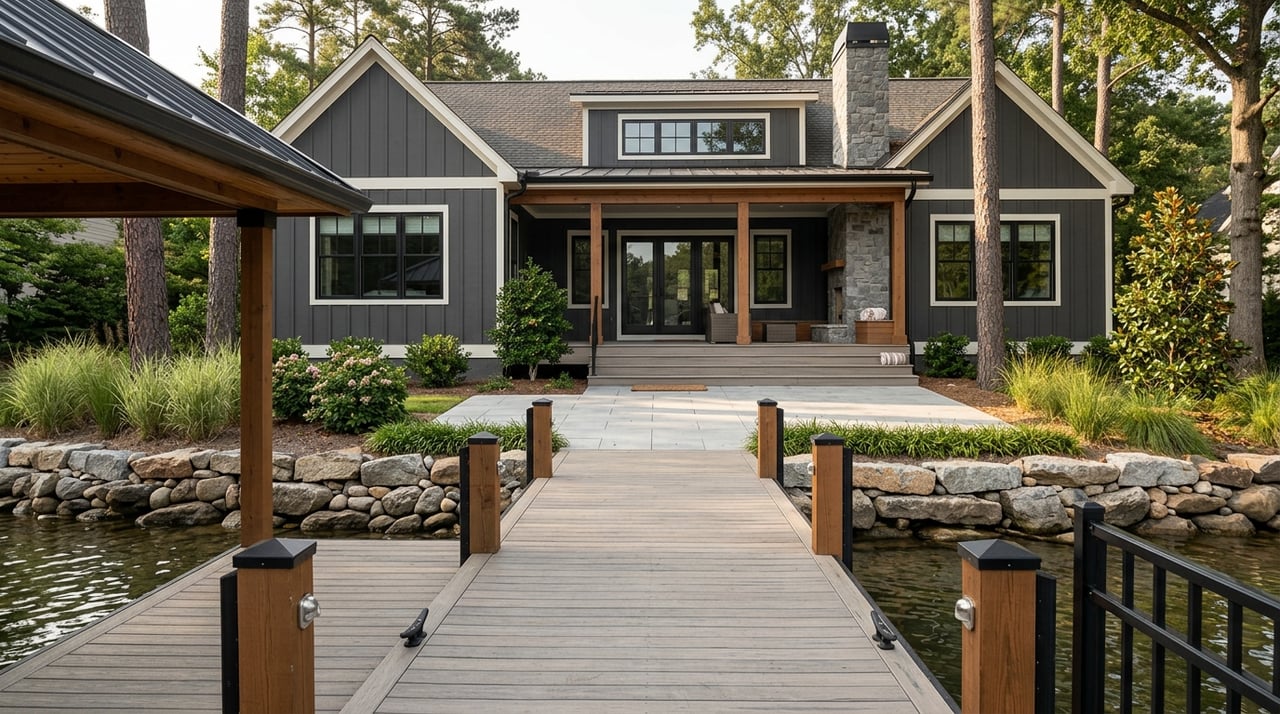
Oconee County is not one single market. Walhalla, Seneca, Westminster, and the lake areas each move at their own pace. Lakefront homes near Lake Keowee and Jocassee can see stronger competition, especially in warmer months.
Lifestyle and amenities matter here. Buyers are often drawn by lake access, mountain views, and rural acreage. You may see different behavior in a turnkey cottage near the water compared to a larger inland property.
Commuting and jobs also play a role. Some buyers work in nearby Upstate job centers. Shifts in commuting patterns or employer growth can change demand in specific towns more than others.
The indicators that matter
Months of supply
What it is: Active listings divided by the average monthly sales. It shows how long it would take to sell current inventory at the recent pace.
How to read it:
- Under 4 months often signals a seller’s market (tight inventory).
- Around 4 to 6 months suggests a balanced market.
- Over 6 months points to a buyer’s market (more supply).
Local tip: Segment by submarket. Walhalla, Seneca, and lakefront areas can show very different months of supply at the same time.
Days on market (DOM)
What it is: The average or median days from listing to going under contract. Lower DOM often means faster sales.
How to read it:
- Very low DOM (often under 10 to 14 days) can point to multiple offers.
- Higher DOM suggests slower demand or pricing challenges.
Local tip: Relisted homes can reset the clock. Use rolling medians and watch for patterns of relisting.
List-to-sale price ratio
What it is: The final sale price divided by the last list price, expressed as a percentage.
How to read it:
- Above 100 percent means buyers often pay over list.
- Around 98 to 100 percent suggests pricing is close to the final sale.
- Below 98 percent can indicate buyer leverage.
Local tip: Combine this with DOM. A high ratio plus low DOM suggests strong seller momentum.
Inventory flow and pendings
What it is: Active listings show supply, new listings show the flow, and the pending-to-active ratio is a quick demand pulse.
How to read it:
- More new listings can ease pressure over time.
- A rising pending-to-active ratio signals buyers are writing offers.
- Watch price reductions and withdrawn listings for early signs of softening.
Median price and price per square foot
What they are: Median sale price shows the middle of the market, while price per square foot helps compare similar homes.
How to read them: Segment by property type and setting. Lakefront vs inland, one-story vs two-story, and different bedroom counts can move differently.
Local tip: Small sample sizes in niche areas can swing the median. Look at several months and use rolling averages.
Price reductions and timing
What it is: The share of listings with reductions and how quickly they happen.
How to read it:
- More reductions or faster reductions can point to softer demand or initial overpricing.
- Slower reductions may mean sellers feel confident in receiving offers.
Mortgage rates and local lending
What to watch: Rates affect your buying power, and shifts can change how quickly homes move.
Local tip: Oconee properties may include lakefront features, septic systems, or well water. Work with a lender who understands these factors and the local appraisal landscape.
Read signals like a pro
Think of the market as three dials: supply, pace, and pricing. Months of supply shows inventory. DOM shows speed. The list-to-sale ratio shows price power. Read them together to understand leverage.
- Tight market signal: Low months of supply, low DOM, and a list-to-sale ratio above 100 percent. Expect multiple offers and short timelines. You may need a strong pre-approval, higher earnest money, and a clear escalation cap.
- Balanced market signal: Months of supply around 4 to 6, moderate DOM, and a list-to-sale ratio near 98 to 100 percent. Plan for normal negotiations and standard contingencies.
- Buyer’s market signal: Months of supply above 6, higher DOM, a list-to-sale ratio under 98 percent, and frequent price cuts. You can negotiate below list, request credits, and use longer due diligence.
Hypothetical local scenarios
These examples are not current data. They show how to translate signals into a plan.
-
Scenario A: Hot Walhalla pocket (hypothetical)
- Months of supply: 2. Median DOM: 5 days. List-to-sale: 102 percent.
- Your move: Have pre-approval in hand, be ready to tour fast, and consider an escalation clause with a clear ceiling. Plan for possible appraisal gap coverage.
-
Scenario B: County softening but lakefront stable (hypothetical)
- County months of supply: 7. Median DOM: 45 days. List-to-sale: 96 percent. Lakefront months of supply: 3. Lakefront median DOM: 10 days.
- Your move: Negotiate harder on inland properties. For lakefront, be prepared to compete during peak season.
-
Scenario C: Balanced market (hypothetical)
- Months of supply: 5. Median DOM: 30 days. List-to-sale: about 99 percent.
- Your move: Use standard contingencies and request modest concessions when supported by comps.
Tailor your offer in Walhalla
If signals point to a tight pocket, focus on speed and clarity. Shorten inspection timelines while keeping meaningful protections. Offer flexible closing dates to match the seller’s plans.
If the pocket looks balanced, write a clean offer near market value and leave room for small concessions. Ask for reasonable repairs or a credit if the inspection supports it.
If you see buyer’s market signs, be more assertive. Consider offering below list, requesting seller-paid closing costs, and using longer due diligence windows that work for your schedule.
Lakefront timing
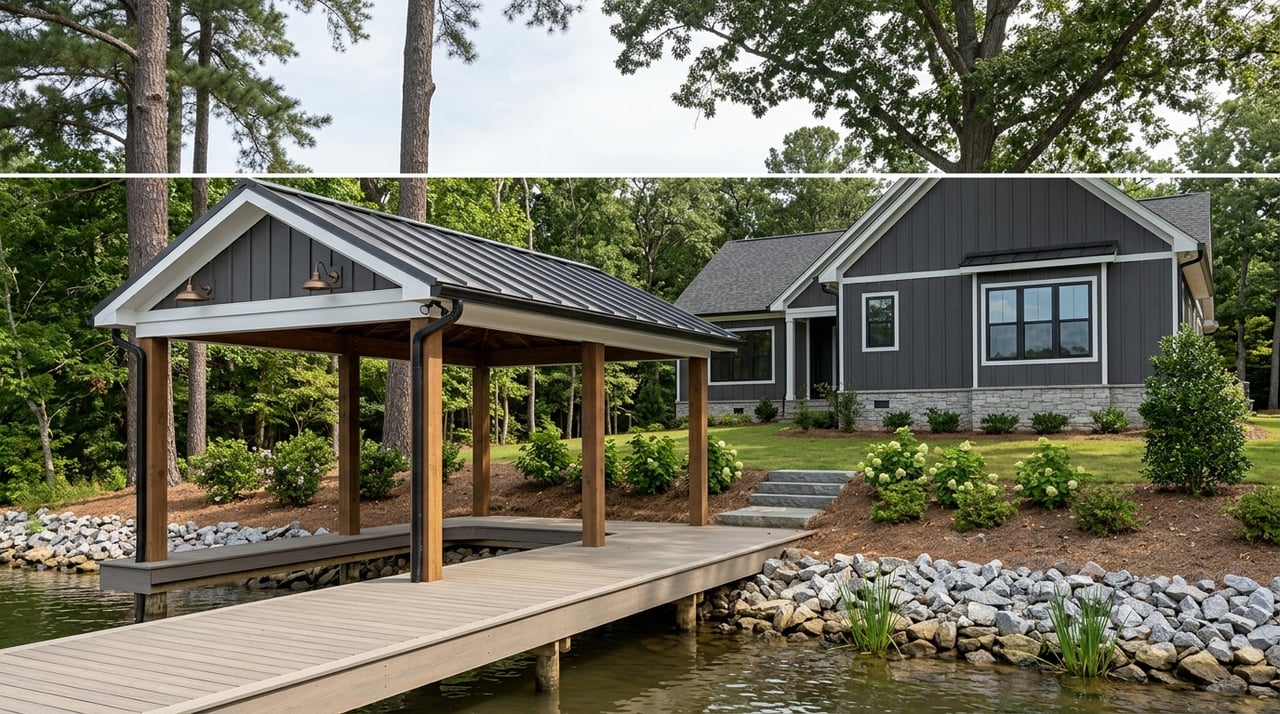
Lakefront homes often draw more activity in spring and summer. If you are flexible on timing, consider shopping in the off-season to find more negotiation room. Be ready to move quickly when a well-priced lake property hits the market.
Financing, appraisal, and due diligence
In fast-moving submarkets, appraisal gaps can occur when sales rise faster than comps. If you plan for a potential gap, you can write a stronger offer with less stress.
Cash can remove appraisal risk, but terms still matter. Certainty of closing, clean contingencies, and a timeline that fits the seller can beat a higher but uncertain offer.
Use inspectors and closing partners who know Oconee homes. For lake properties, check flood maps, shoreline rules, and any dock or permit considerations. Confirm typical local practices on title work, surveys, and endorsements before you write.
When to act on signals
If the pending-to-active ratio jumps, act quickly. A spike in pendings after a slow period often signals a surge in buyer activity.
If price reductions increase and DOM stretches, patience can help. You may gain leverage by waiting for a pattern of cuts before you offer.
For early-stage research, monthly snapshots with 3-month rolling averages work well. If you are actively shopping, use real-time MLS updates through your agent.
A simple buyer playbook
Use this checklist to align your plan with what the market is telling you.
- Get a rock-solid pre-approval or proof of funds before touring.
- Segment your search (Walhalla vs Seneca vs lakefront) and watch signals in each.
- Track months of supply, DOM, list-to-sale ratio, and price reductions every month.
- Match your offer to the pocket: speed and clarity for hot areas, standard terms for balanced areas, assertive negotiation for softer areas.
- Plan for appraisal risk if you use an escalation clause or compete above list.
- Keep your inspection meaningful, even if you shorten timelines in tight markets.
- Align closing and possession dates with the seller when possible.
- Revisit rates with your lender if market conditions shift.
Let’s talk local
If you want help reading today’s signals in Walhalla or across Oconee County, reach out. We combine neighborhood-level insight with clear offer strategy so you can buy with confidence. Start the conversation with Thomas & Crain Real Estate.
FAQs
How do I tell if it is a buyer’s or seller’s market in Walhalla?
- Look at months of supply, DOM, and the list-to-sale ratio together. Under 4 months of supply with low DOM and a ratio at or above 100 percent usually means a seller’s market.
What should I do if a Walhalla home gets multiple offers?
- Use a strong pre-approval, consider higher earnest money, and include a clear escalation cap. Shorten inspection timelines while keeping key protections.
Should I waive inspection or appraisal to win in Oconee County?
- Only after careful risk assessment. Many buyers prefer to shorten timelines or plan for a possible appraisal gap rather than fully waiving protections.
How fast should I move on a Lake Keowee home?
- During peak season, move quickly. Have financing in place, know your limits, and align closing dates with the seller to be competitive.
How often should I check Oconee market stats while shopping?
- Monthly snapshots with a rolling average are useful for planning. If you are ready to buy, rely on real-time MLS updates through your agent.