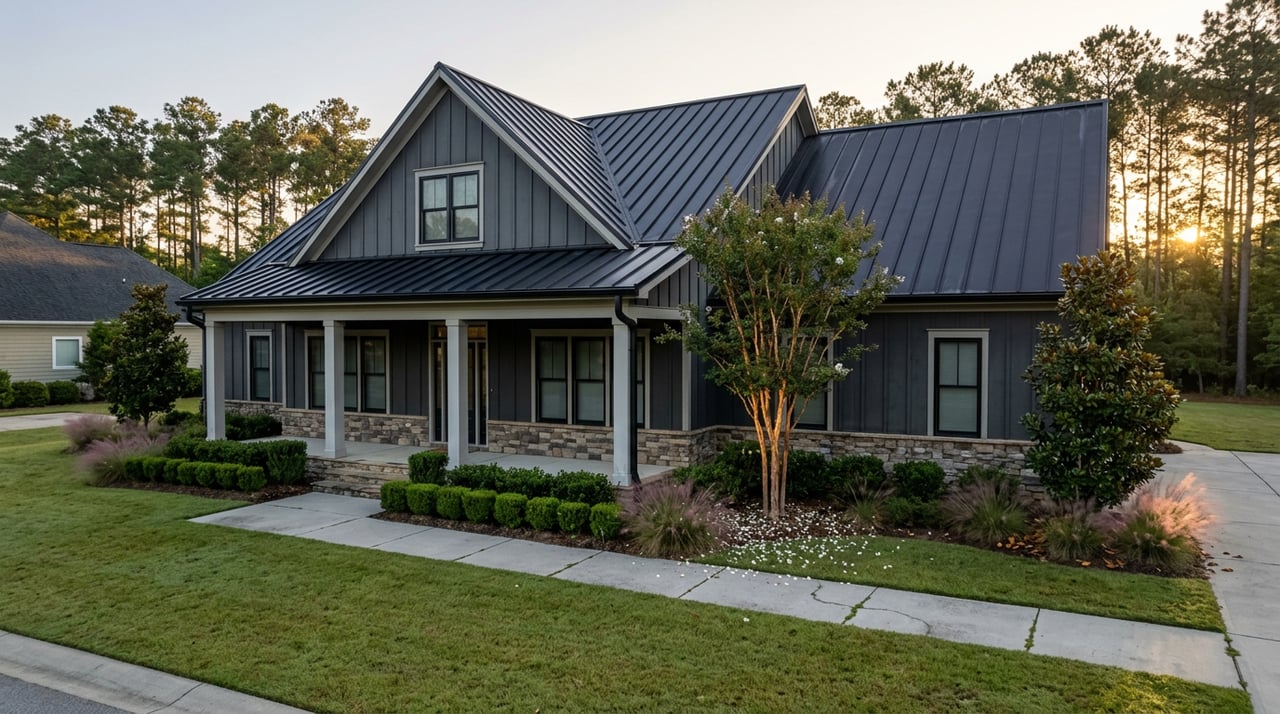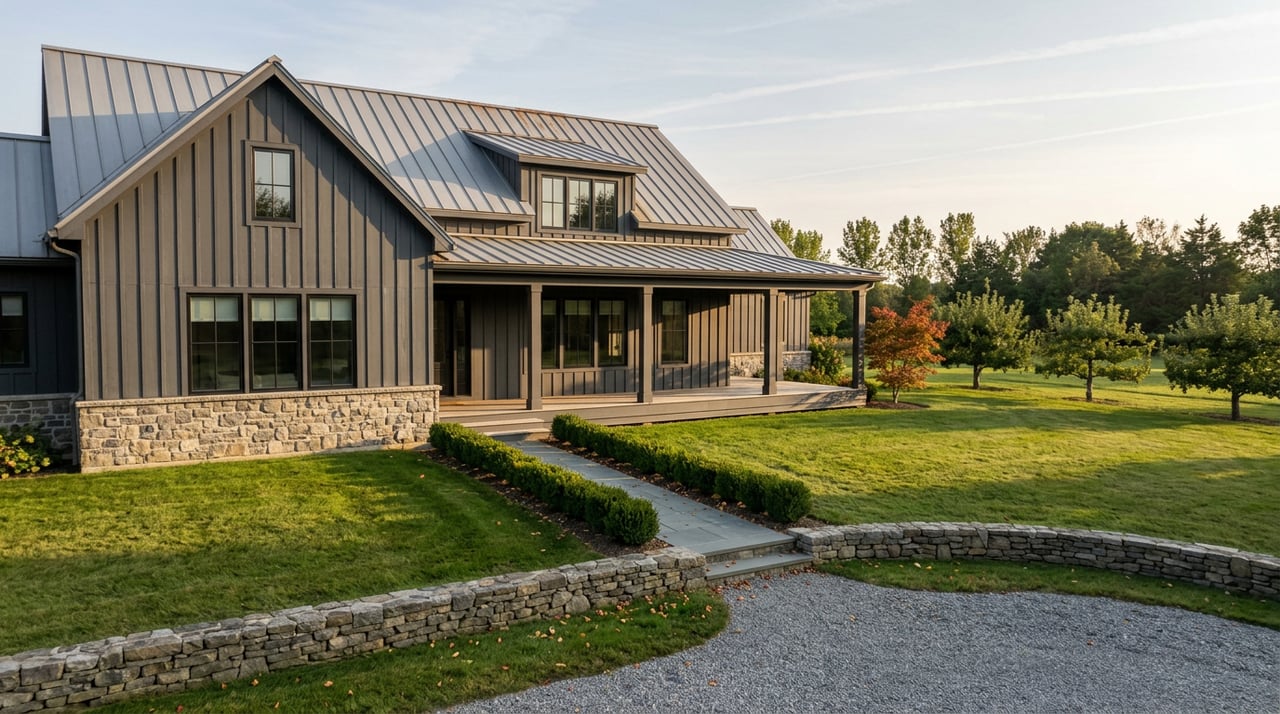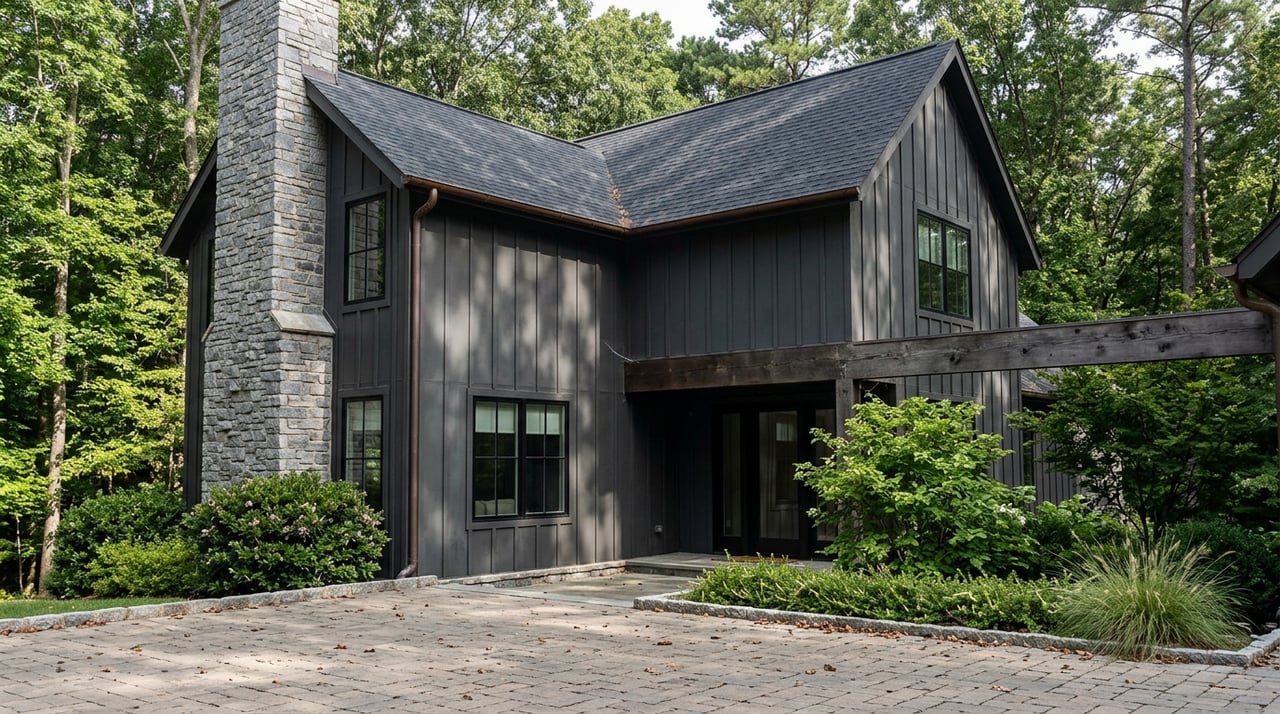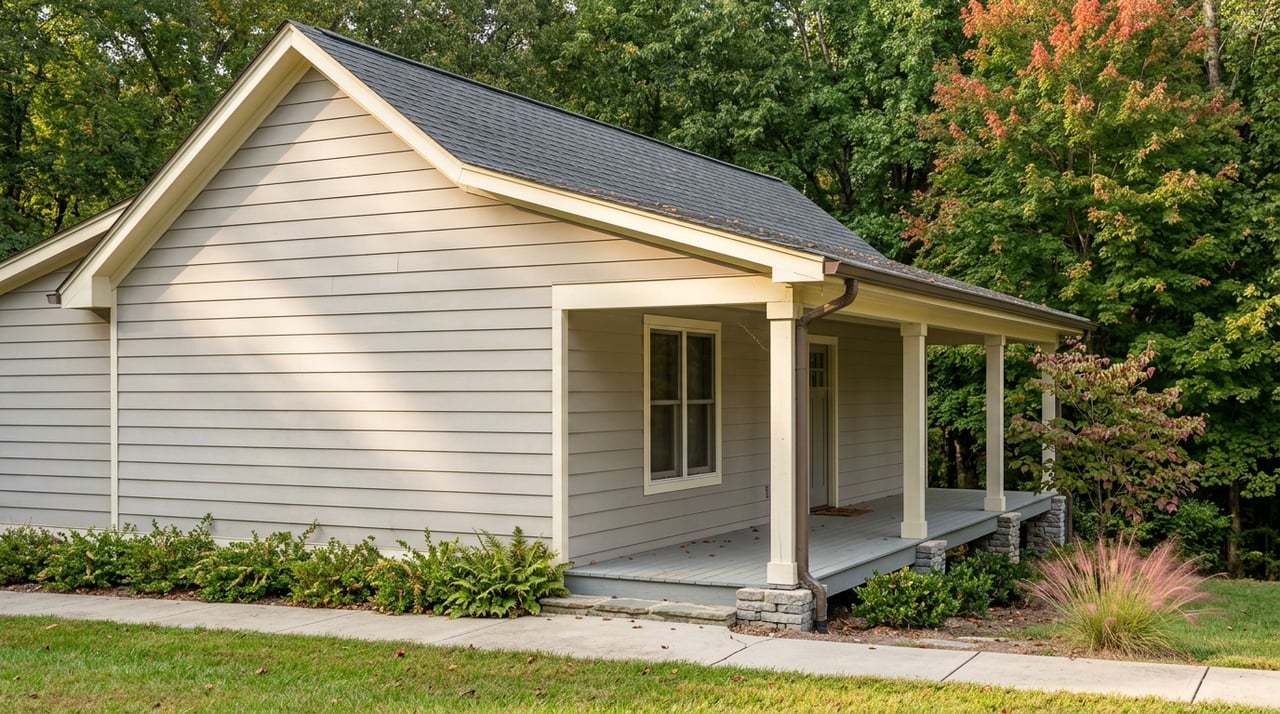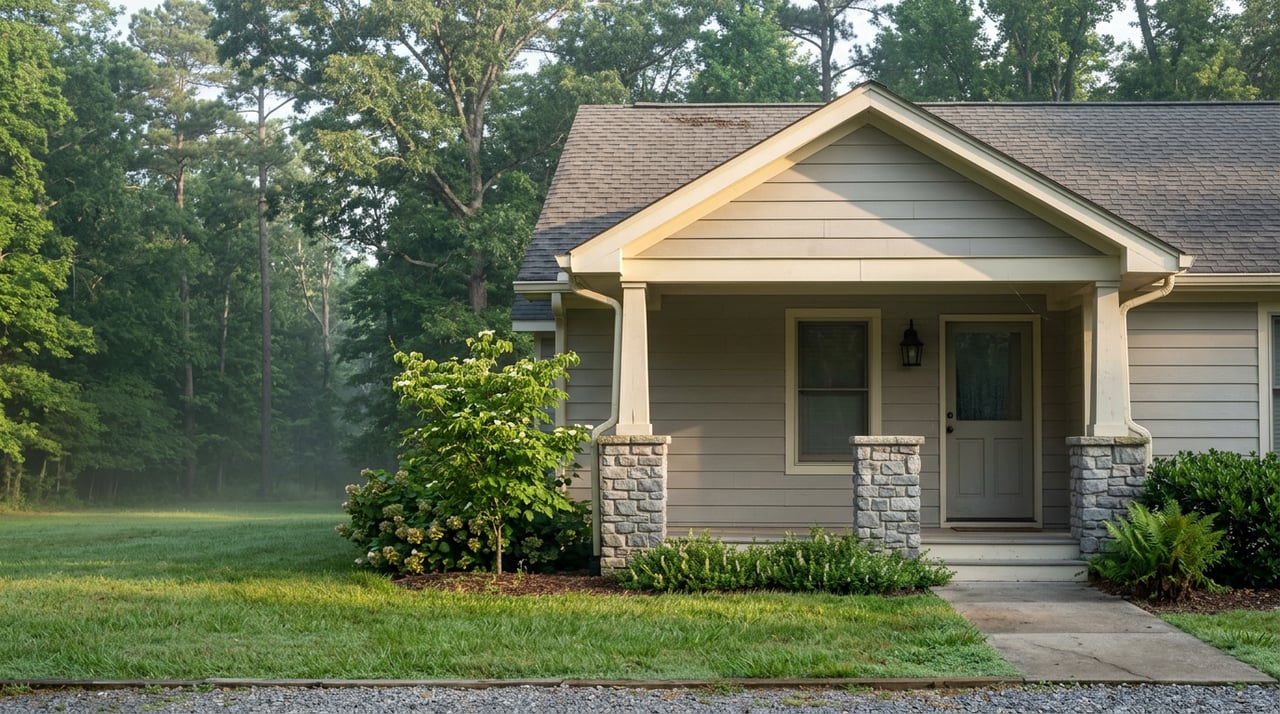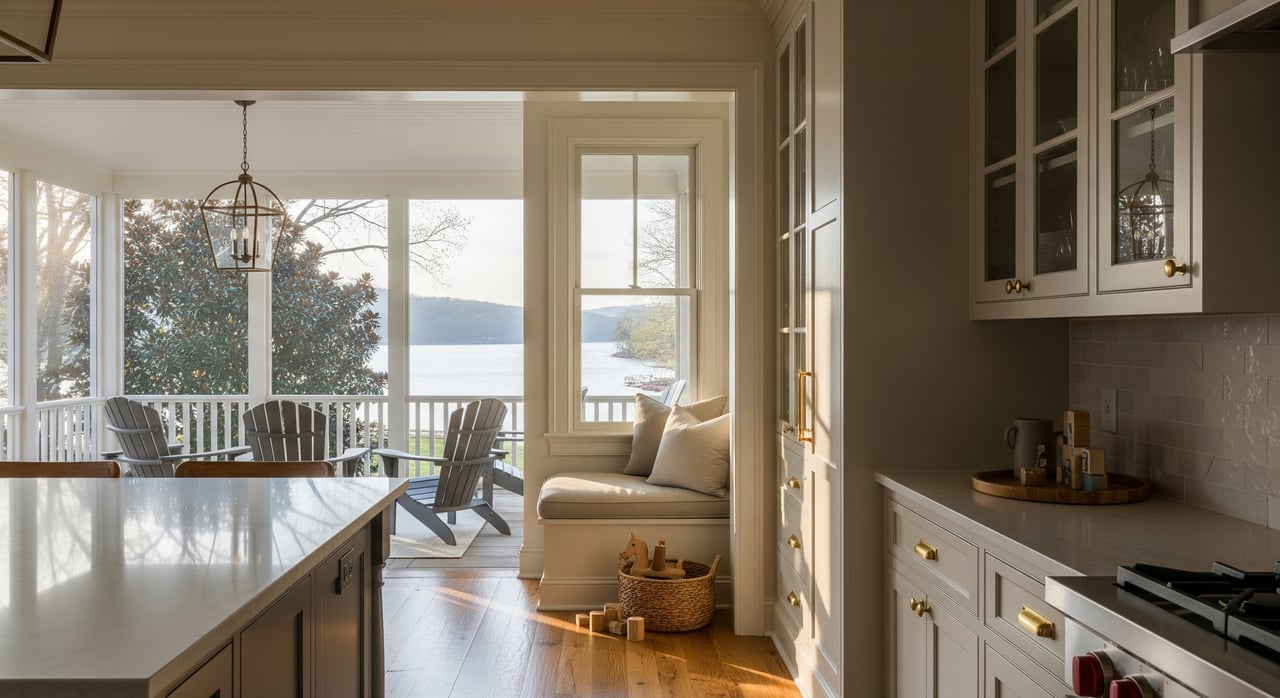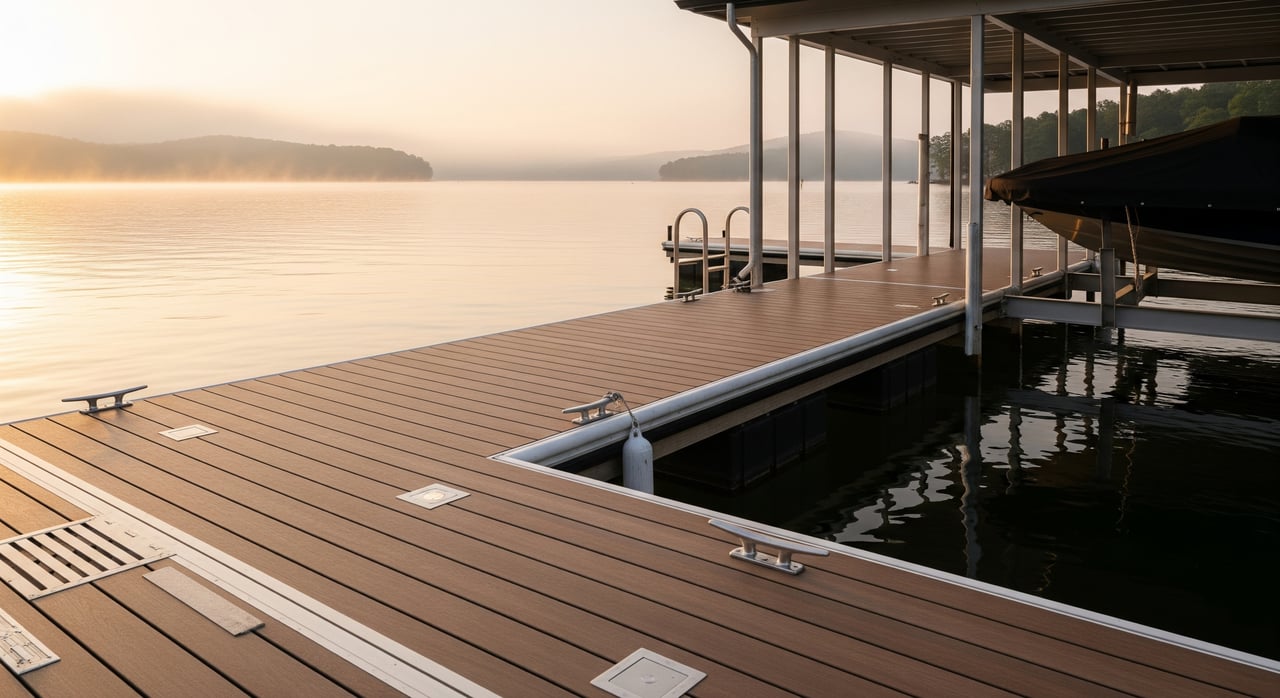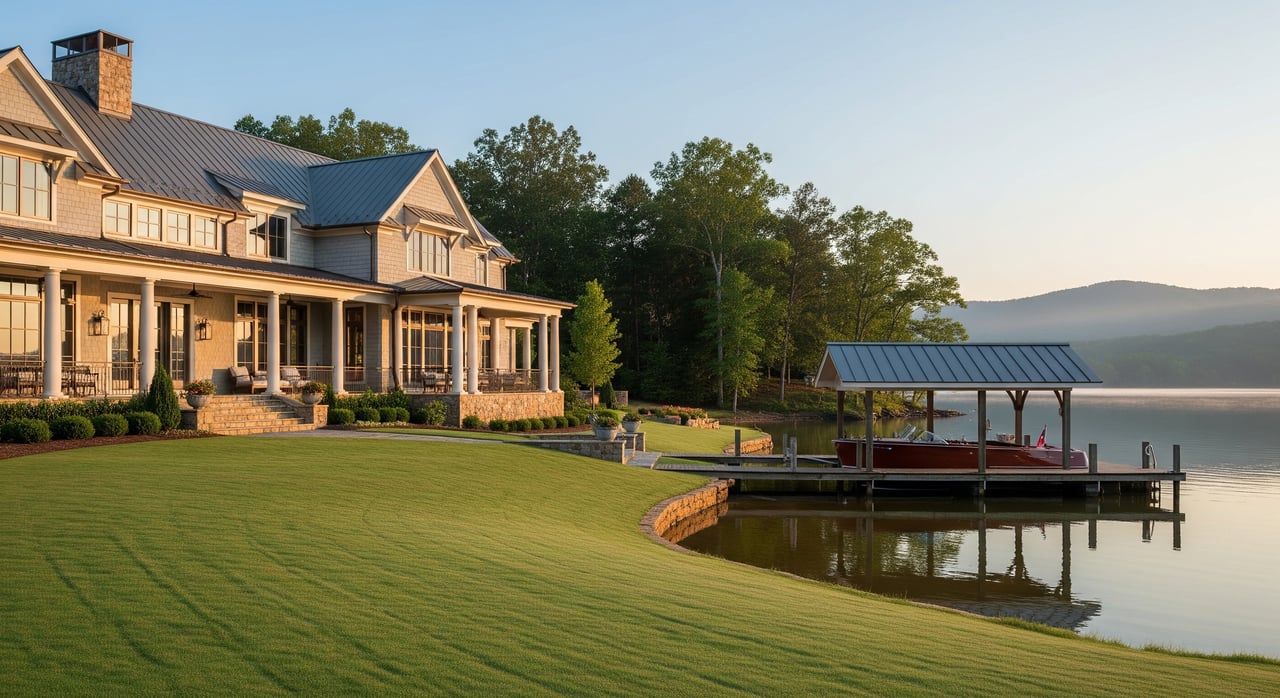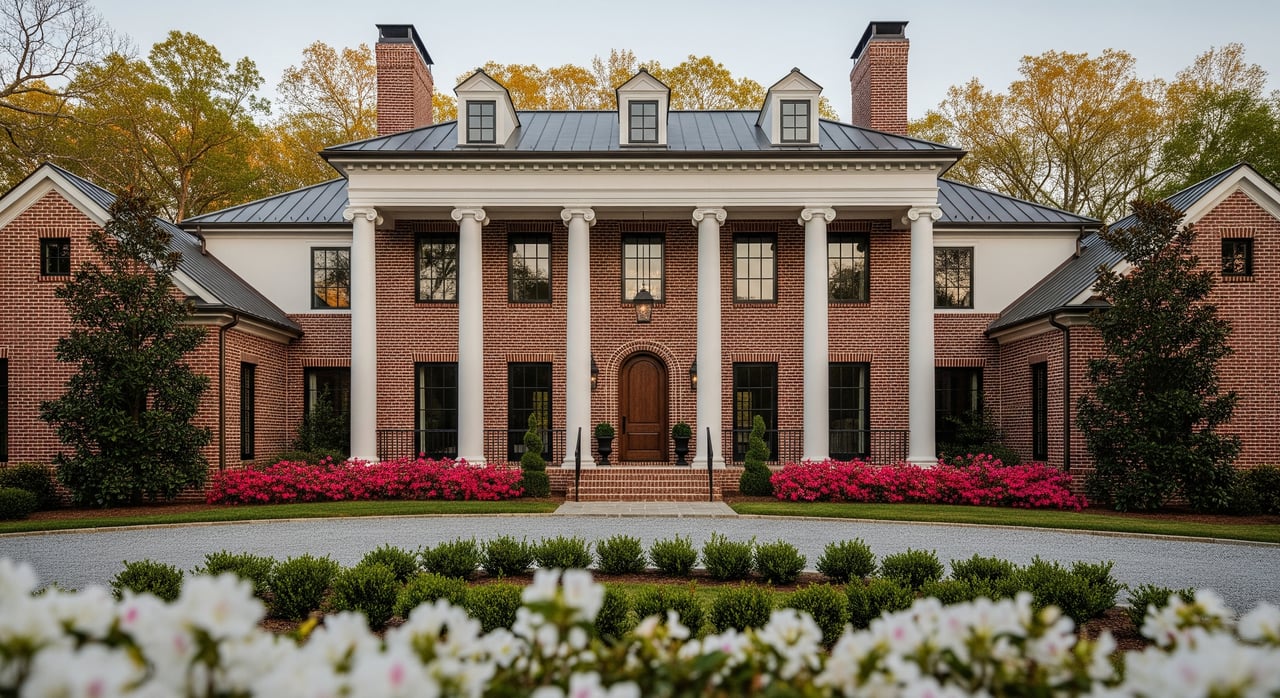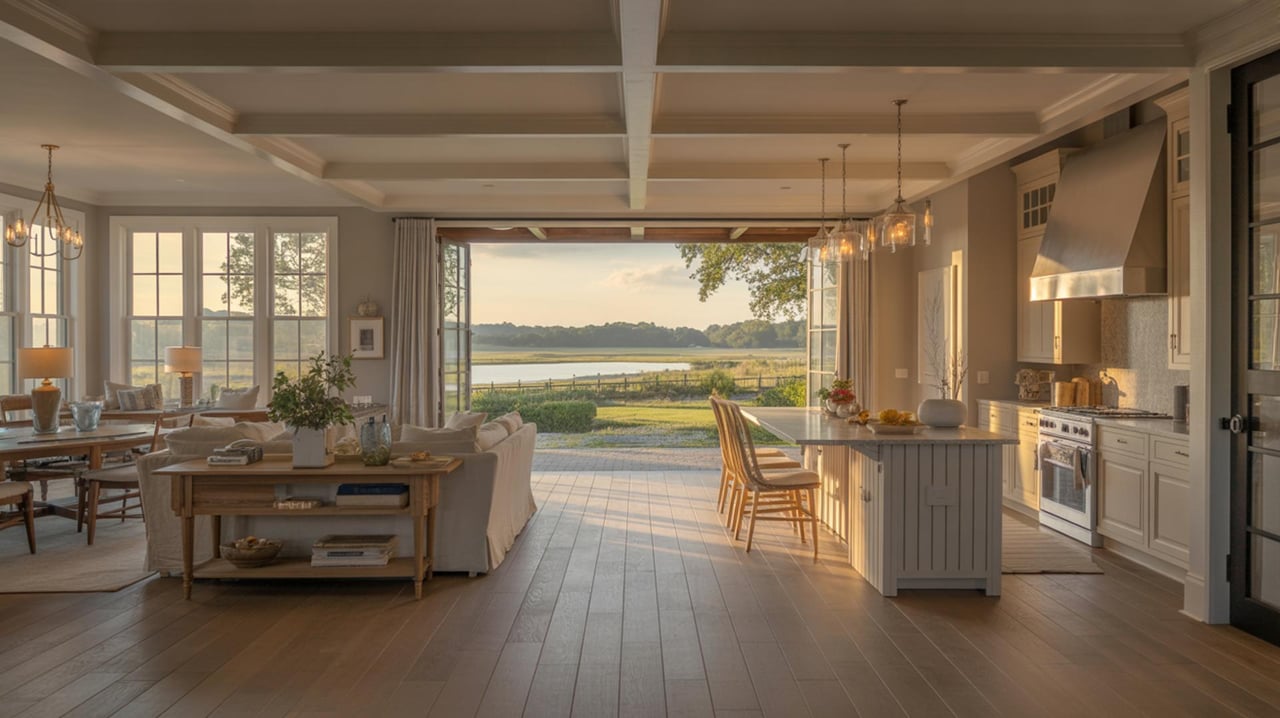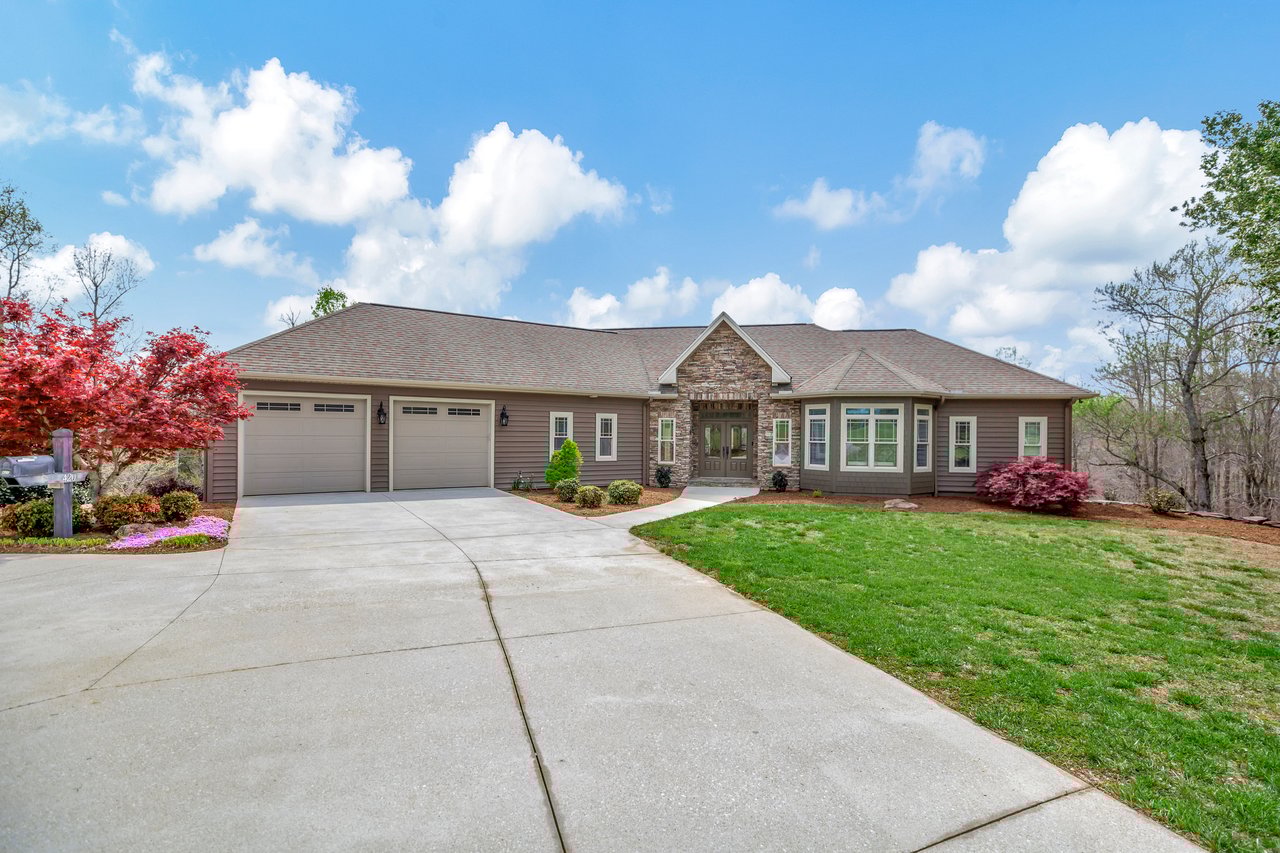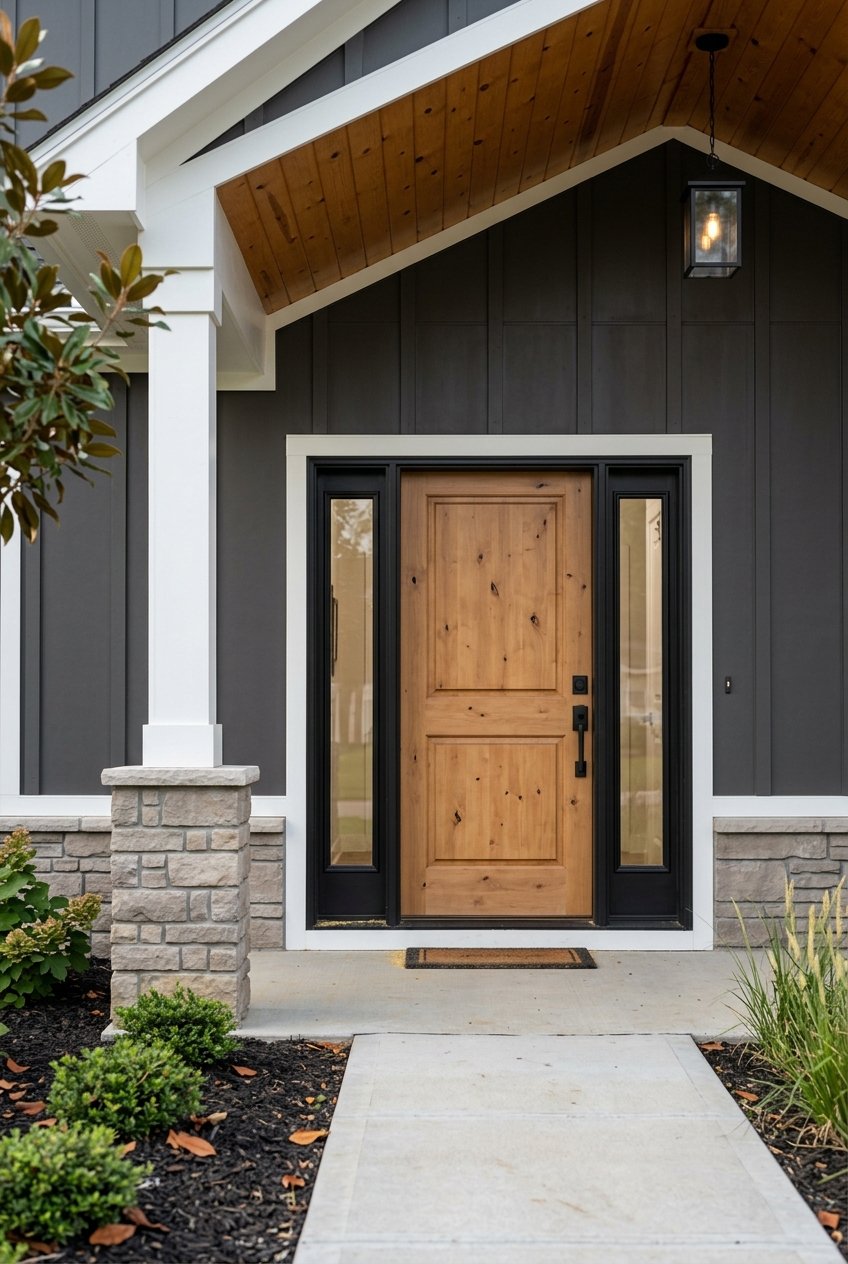
Buying a brand-new home in West Union can feel exciting right up until the details start piling up. Between builder contracts, permits, septic questions, inspections, and closing deadlines, it is easy to wonder what matters most and when. This guide walks you through the key steps for buying new construction in West Union, South Carolina, so you can move forward with more clarity and fewer surprises. Let’s dive in.
Why West Union new construction is different
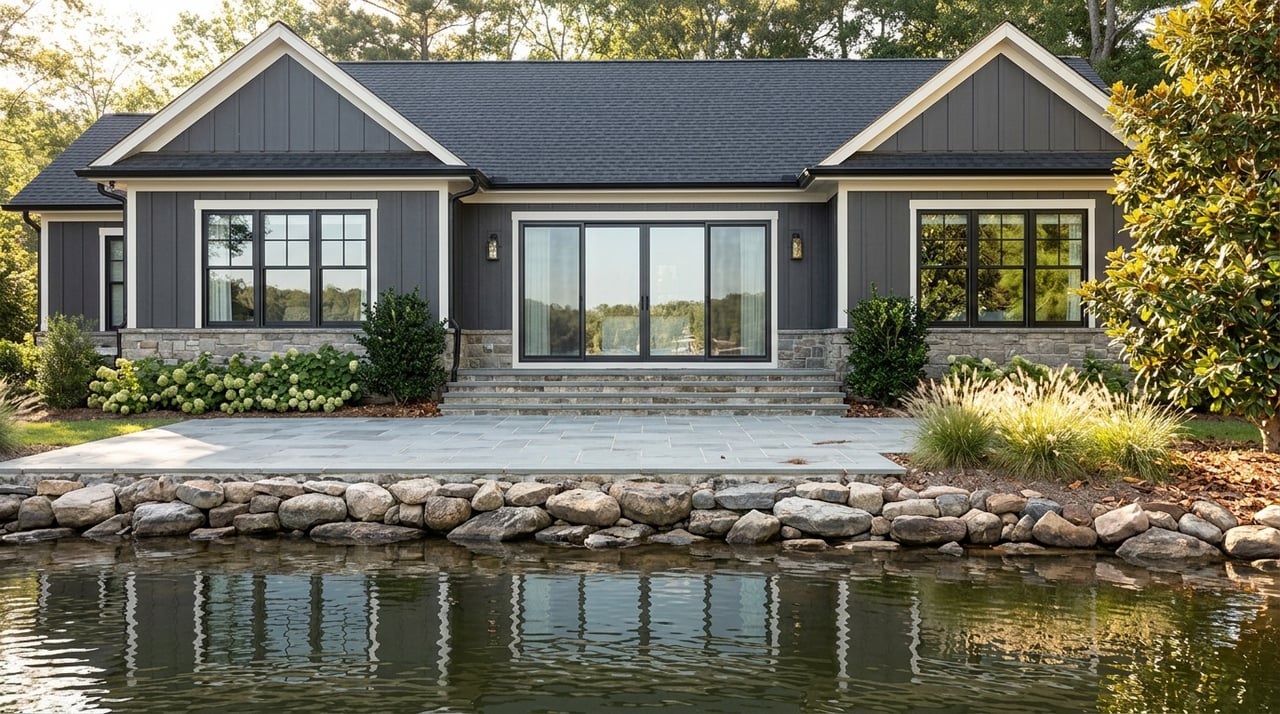
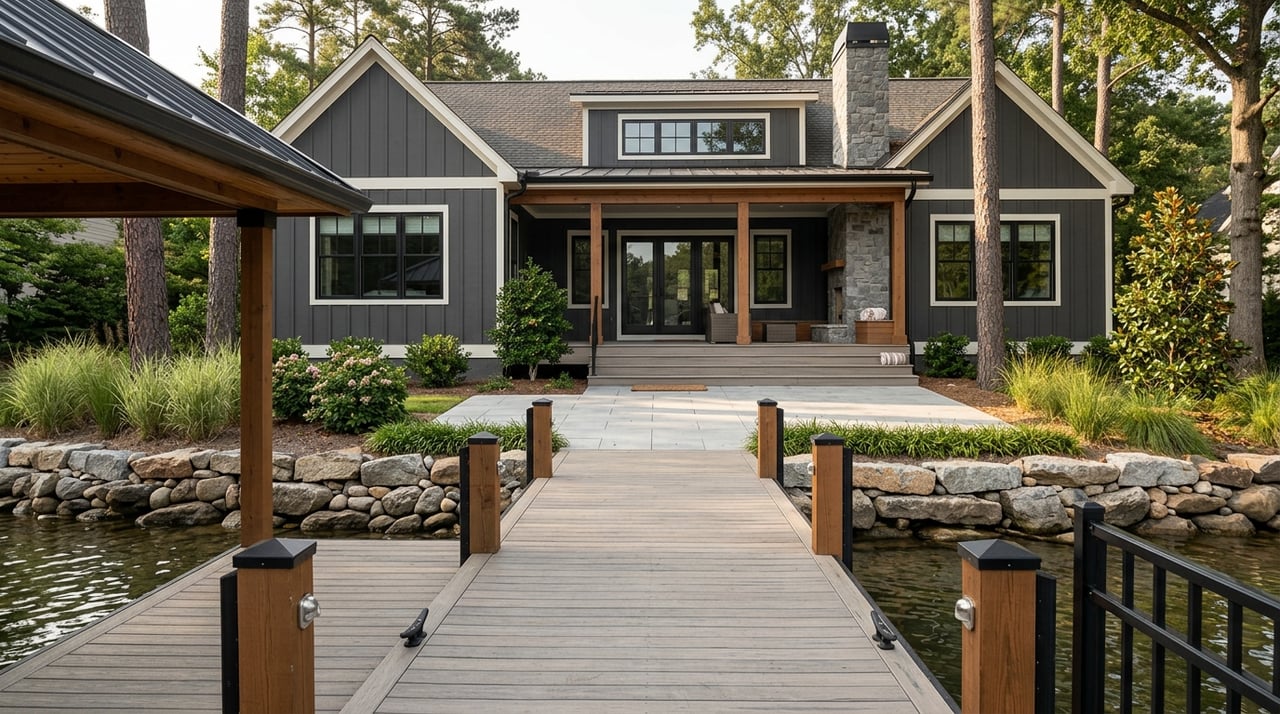
West Union offers a small-town setting in Oconee County, with the added appeal of being connected to the Lake Keowee area. If you are considering a spec home, a custom build, or a home in a small development, it helps to know that local logistics can affect your timeline just as much as the floor plan.
One important local detail is that Oconee County Building Codes handles permitting and inspections for West Union by contract. That means your purchase may involve county-level review steps even when the home is located in town.
Know the three common new-build paths
Spec homes
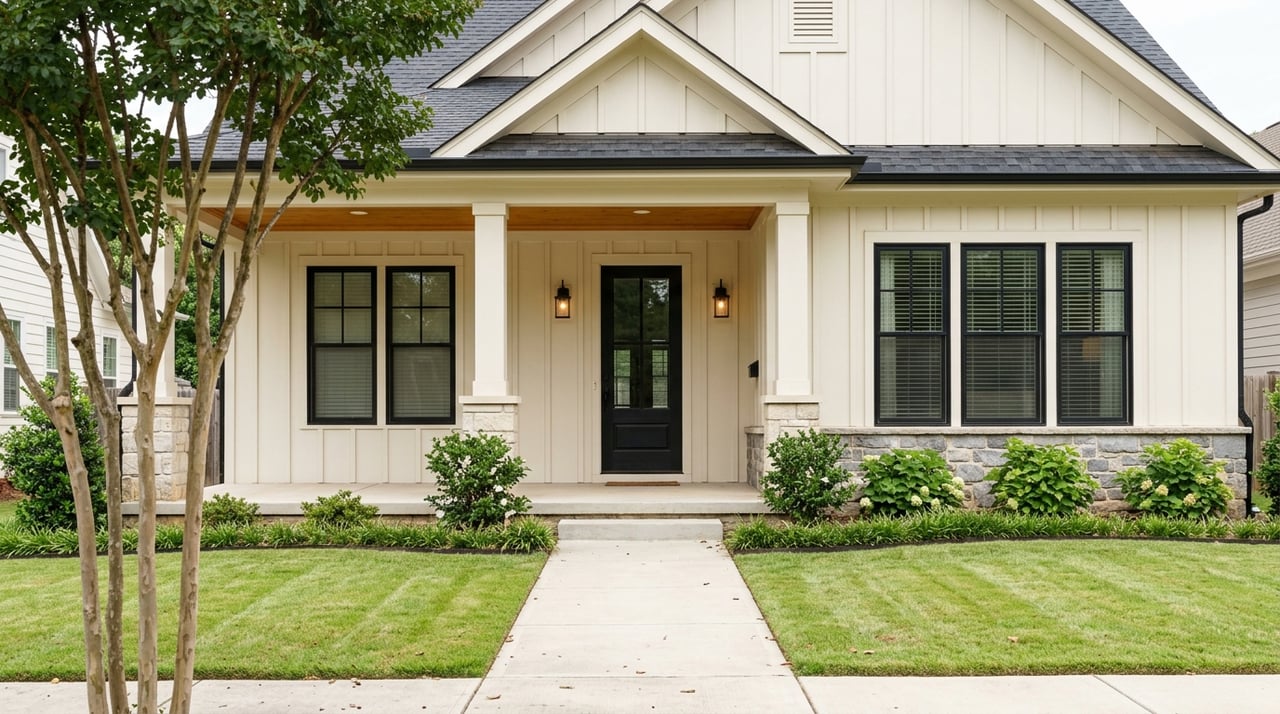
A spec home is usually built by a builder before a buyer is fully involved. This option can work well if you want a newer home with a faster move-in timeline and fewer design decisions.
Even with a nearly finished home, you still want to confirm permit status, inspections, and what remains before closing. A home that looks complete may still be waiting on final documentation.
Custom builds
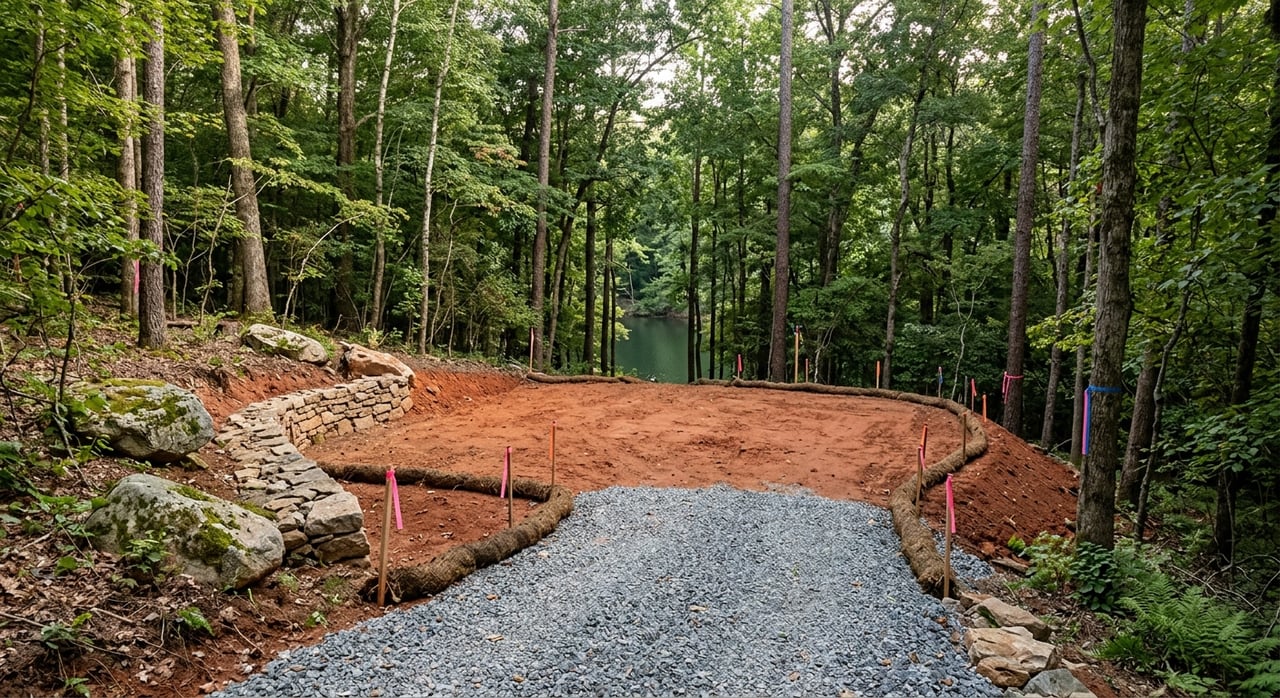
A custom build gives you more control over the lot, design, and finishes. It can also involve more moving parts, especially if the lot needs septic approval, floodplain review, or zoning confirmation.
In West Union and the surrounding county, those early checks matter because they can shape whether a lot is ready to build on and how quickly work can begin.
Small developments
Some buyers land somewhere in the middle by choosing a home in a small local development. In those cases, timelines may depend on subdivision reviews, plat approvals, utility availability, and shared development milestones.
According to Oconee County Planning and Zoning, the local system covers items such as building permits, subdivision reviews, plat approvals, land use permits, inspection requests, and variances. That makes it smart to ask early where your particular home stands in the process.
Check zoning and overlays early
Before you fall in love with a lot or floor plan, make sure the property’s zoning supports the intended use. Oconee County says all land begins in the Control Free District until rezoning is requested, and parcel zoning can be checked in the county GIS tools.
This is especially important if you are buying land first and planning to build later. It is also useful for small developments where nearby zoning or overlay rules may affect density, setbacks, or land use.
Lake-related rules can add another layer
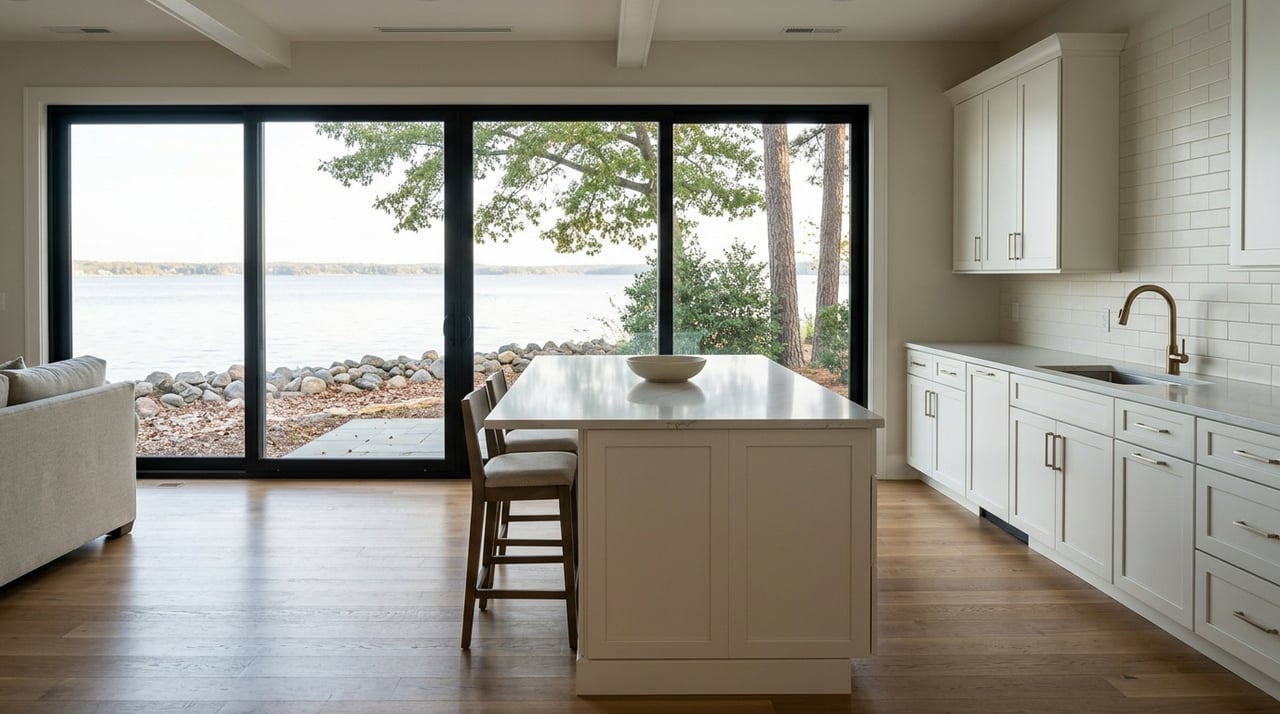
If the property is lakefront or near the shoreline, it may fall under the Lake Keowee/Jocassee overlay district. The county notes that these areas can include a 25-foot undisturbed buffer and additional restrictions tied to density and land use.
That does not mean a lot is off-limits. It does mean you should verify those rules early with your agent and builder so they do not become a last-minute issue.
Understand permits and code basics
For new construction in West Union, a permit must be issued before construction begins. Oconee County also states that inspections happen at predetermined intervals, and some projects require plan review before approval.
Per the county’s building code information, adopted codes include the 2018 IRC, 2018 IBC, 2017 NEC, and 2018 plumbing, mechanical, fire, and fuel-gas codes, plus the 2009 IECC. For buyers, the main takeaway is simple: ask whether permits have been issued, what inspections have passed, and what is still outstanding.
Final completion is not always the same as final approval
A home can appear move-in ready and still need final paperwork. Oconee County requires an energy code checklist for new residential construction before a Certificate of Occupancy is issued.
That is one reason closing dates on new construction can shift. If your contract timeline is tight, ask what documents are still needed for the home to receive final occupancy approval.
Pay close attention to septic and utilities
In parts of the Western Upstate, septic approval can be one of the biggest schedule drivers for a build. If the property is not served by public or community sewer, South Carolina requires septic approval and a permit before the county can issue a building permit.
The South Carolina Department of Environmental Services says buyers should check water and sewer availability before buying land. The process can include a site visit, a Permit to Construct, and a final inspection.
If you are buying a custom-build lot, this is a question to ask right away. If you are buying a spec home, ask whether septic has already been approved, installed, and signed off.
Watch for floodplain issues
Floodplain review is another local checkpoint that can affect a build. In Oconee County, a floodplain permit is required where applicable, and the county says it must be issued before the building permit.
The county’s floodplain development application explains that properties in the Special Flood Hazard Area may need site plans, elevation information, and sometimes an engineer’s certification. The same guidance states that the lowest floor of a residential structure in the floodplain must be at least three feet above the Base Flood Elevation, and no fill is allowed in the Special Flood Hazard Area.
For you as a buyer, the lesson is clear: if the lot has any floodplain question mark, confirm it before you commit.
Verify builder and inspector credentials
Oconee County notes that it does not issue contractor licenses. Instead, South Carolina requires current licensing or registration for residential building, specialty contracting, and home inspecting.
You can verify credentials through the South Carolina Department of Labor, Licensing and Regulation. This is a smart step whether you are choosing a builder for a custom home or buying from a builder you found online.
Independent inspections still matter
A new home is still a home under construction, and new does not automatically mean defect-free. The Consumer Financial Protection Bureau recommends getting an independent home inspection as soon as possible and remembering that an appraisal is different from an inspection.
If possible, attend the inspection. It gives you a clearer understanding of the home’s systems, finish quality, and any issues that should be addressed before closing.
Review deposits, financing, and contract terms carefully
Builder contracts often look different from resale contracts. If the home is not yet complete, the builder may ask for a deposit or earnest money upfront.
The CFPB recommends reviewing your budget closely and asking when any deposit is refundable. The same source notes that closing costs commonly run about 2% to 5% of the purchase price, not including your down payment.
You can shop for your lender
Some builders may suggest a preferred lender, but you are not required to use that lender. CFPB says buyers can shop around.
That can help you compare rates, fees, and loan options, especially if you are balancing construction timing with a broader relocation or sale plan.
Protect yourself with contingencies
CFPB also advises making your offer contingent on financing and a satisfactory inspection. Those terms can help protect you if financing falls through or if serious issues are found before closing.
This matters on new construction just as much as resale. A clean-looking home and a polished model center do not replace contract protections.
Prepare for the final stretch to closing
As closing gets closer, there are still several moving parts to manage. CFPB says buyers should expect to shop for homeowner’s insurance, title insurance, and other closing services.
The agency also states that the Closing Disclosure must be delivered three business days before closing. Reviewing your Loan Estimate, deed, mortgage, and other documents in advance can help you catch questions before signing day.
In Oconee County, a new build may also need official address assignment and verification through the county’s addressing office. That is another small but important detail that can affect final readiness.
How a local agent helps with new construction
New construction often looks simple from the outside because everything is shiny and new. In reality, the process can involve representation questions, permit tracking, septic timing, floodplain review, inspections, and builder deadlines.
CFPB notes that real estate agents can represent the buyer, the seller, or both, so it is worth asking who represents whom from the start. A local buyer’s agent can help you compare spec homes versus build-to-order options, keep an eye on local review steps, and stay organized from contract to closing.
In a market like West Union, that local coordination can make a real difference, especially when your property has lot-specific questions tied to zoning, lake overlays, septic, or floodplain review.
If you are thinking about a new build in West Union, working with a local team can help you ask the right questions before small issues become expensive ones. The Thomas & Crain Team at Keller Williams Drive can help you compare options, understand the local process, and move forward with confidence.
FAQs
What should you verify before buying a new construction home in West Union?
- You should verify permit status, inspection progress, zoning, utility availability, septic requirements if applicable, floodplain concerns, and what documents are still needed before final occupancy and closing.
How does the permit process work for new construction in West Union?
- West Union uses Oconee County Building Codes for permitting and inspections, so buyers should expect county-level review steps such as permits, inspections, and sometimes plan review depending on the project.
Do West Union new construction lots always need septic approval?
- No. If a lot is served by public or community sewer, septic may not be needed. If it is not, South Carolina requires septic approval and a permit before the county can issue a building permit.
Should you get a home inspection on a brand-new West Union home?
- Yes. CFPB recommends an independent inspection because a new home can still have defects, and an appraisal is not the same as an inspection.
Can you use your own lender for a new construction home in West Union?
- Yes. CFPB says you do not have to use the builder’s preferred lender, so you can shop around and compare loan options, rates, and fees.
What extra rules can affect lakefront new construction near West Union?
- Lakefront or near-lake parcels may fall within the Lake Keowee/Jocassee overlay district, which can include a 25-foot undisturbed buffer and other density or land-use restrictions.