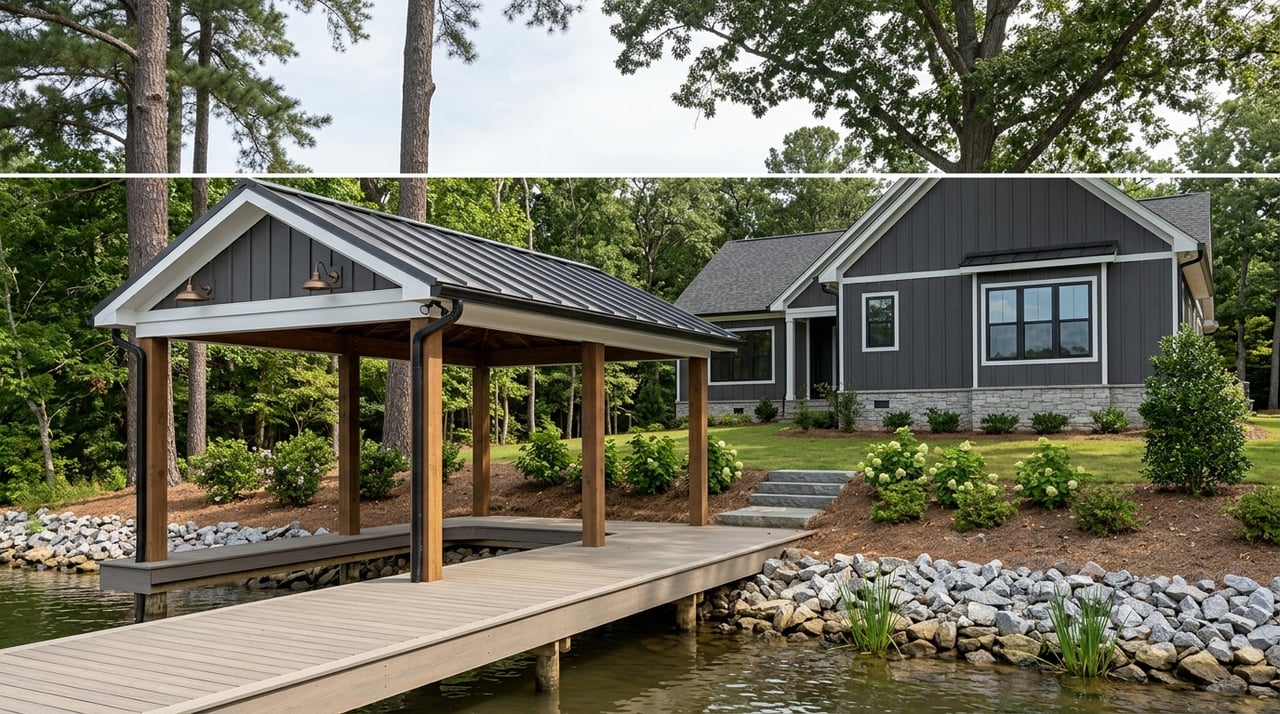
Buying in a lake community can feel simple until you realize there may be three different rulebooks affecting the property you want. In The Woods at Lake Keowee, that matters more than many buyers expect because your lot use, shoreline plans, boat access, and fees may all be governed by different layers of authority. If you are considering a home or lot here, understanding those layers early can help you avoid surprises and make a more confident decision. Let’s dive in.
HOA and POA Rules Explained
In The Woods at Lake Keowee, the first layer to understand is the community association. The recorded declaration for the neighborhood shows a typical association-governed lake community where the owners association manages common areas, enforces covenants, and collects assessments. It also states that owners, mortgagees, insurers, and guarantors should be able to inspect governing documents and financial statements, which is why requesting the full HOA packet early is so important.
The second layer is Oconee County. According to Oconee County code enforcement information, the county enforces property maintenance codes, but it does not enforce private covenants and restrictions. For properties near the lake, county overlay rules can also affect land use, density, and buffers.
The third layer is Duke Energy. If a property touches the shoreline or you plan to make changes near the water, Duke Energy shoreline management rules may apply to docks, piers, stabilization, excavation, and similar work. In other words, HOA approval alone may not be enough.
What The Woods Declaration Covers
The recorded declaration for The Woods at Lake Keowee is fairly detailed. It limits lots to private residential use and allows only a single-family dwelling on each lot. The document also bars mobile homes, modular homes, shell homes, and temporary structures.
The declaration also sets standards for things like home size, garages, materials, appearance, and setbacks. For waterfront property, it includes a 50-foot waterside setback and added approval requirements for many changes on the lake side of the lot. That means your plans for building, remodeling, or clearing part of the property may require more than a standard county review.
Because the public version of the declaration is a scanned copy hosted online, buyers should treat it as a starting point rather than the final word. Current amendments and active rules should be confirmed directly with the association or your closing attorney using the latest HOA documents.
Architectural Review Matters
One of the biggest mistakes buyers make in lake communities is assuming that if the county allows a project, the HOA will too. In The Woods, exterior updates, new construction, and some lot clearing may require prior approval under the recorded covenants. That can affect everything from a new exterior finish to work closer to the waterfront setback.
This is especially important if you are buying a lot with plans to build or heavily renovate. Before you spend money on design work, site prep, or contractors, it is wise to confirm what the association requires and whether separate shoreline approvals may also apply.
Lakefront Lots Have Extra Rules
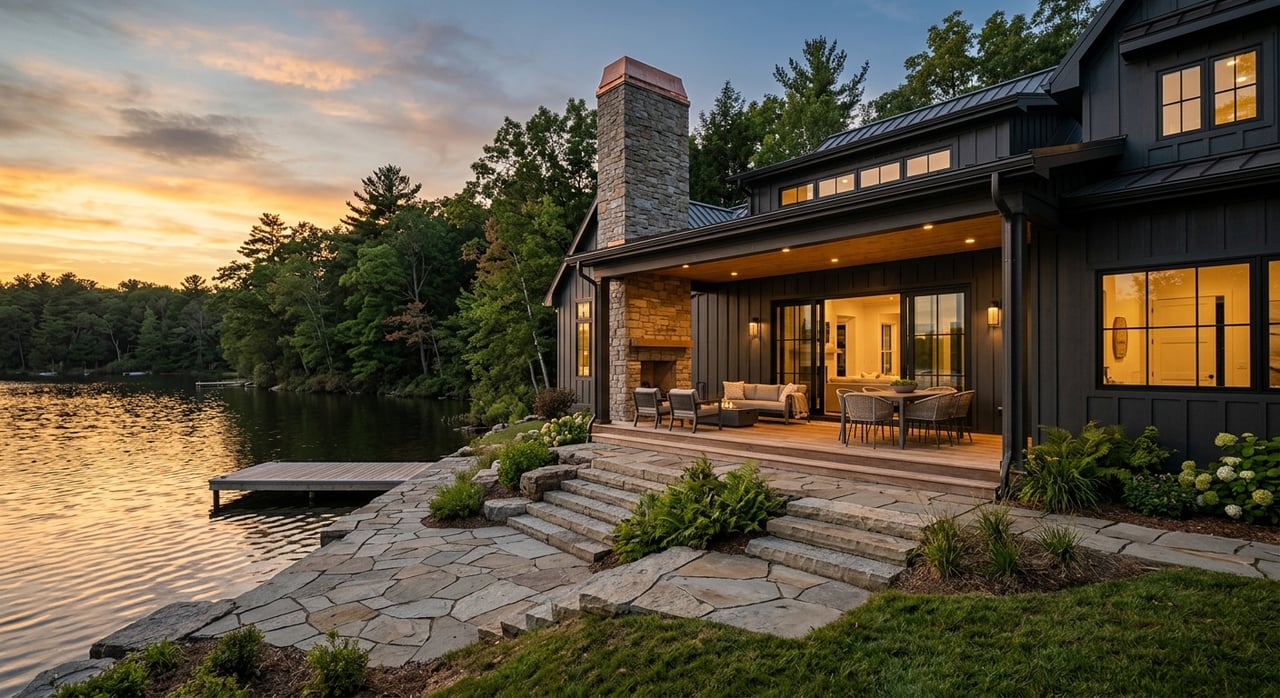
Lakefront ownership often comes with added restrictions, and The Woods is no exception. The declaration protects trees and vegetation in the waterfront setback, so removing mature vegetation may receive extra scrutiny. That matters if your vision includes opening up a bigger water view or changing the feel of the shoreline.
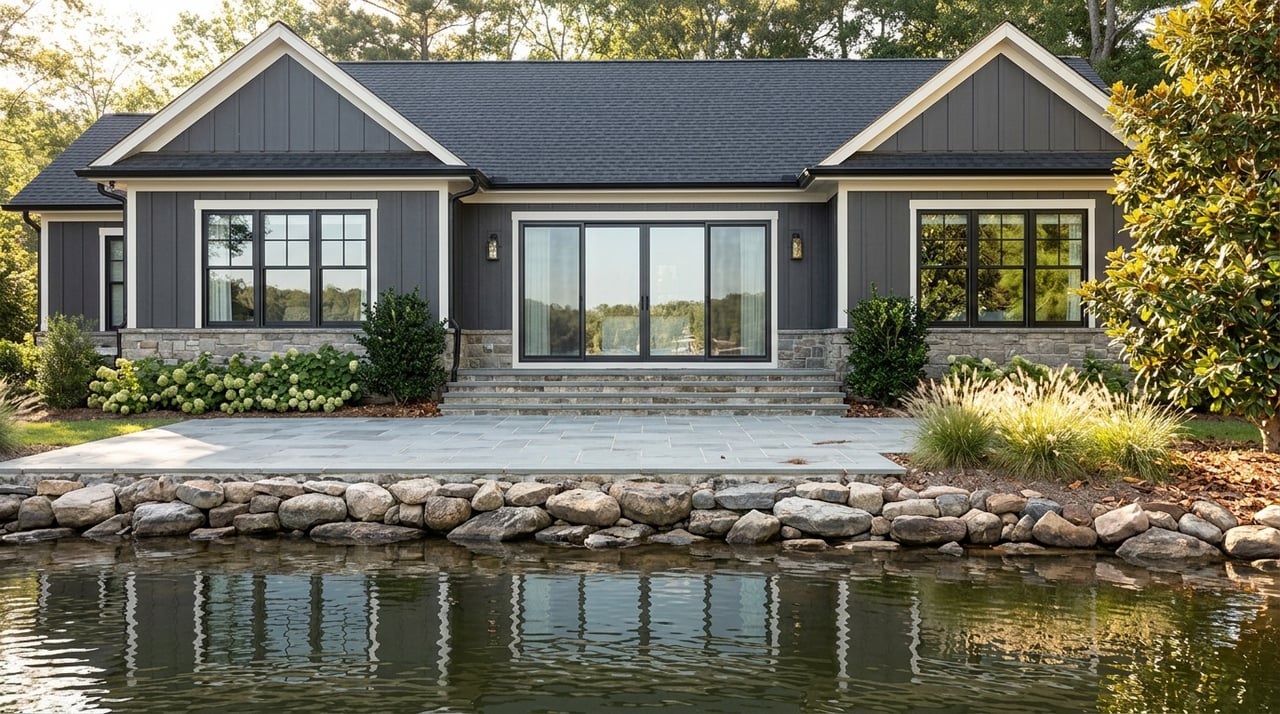
County rules add another piece. Oconee County says the Lake Keowee and Jocassee overlay district includes special land-use and density rules, plus a 25-foot undisturbed buffer within 750 feet of full pond contours. For many buyers, that means the usable area of a lakefront lot may be different from what they first assume.
Boatslips, Docks, and Water Access
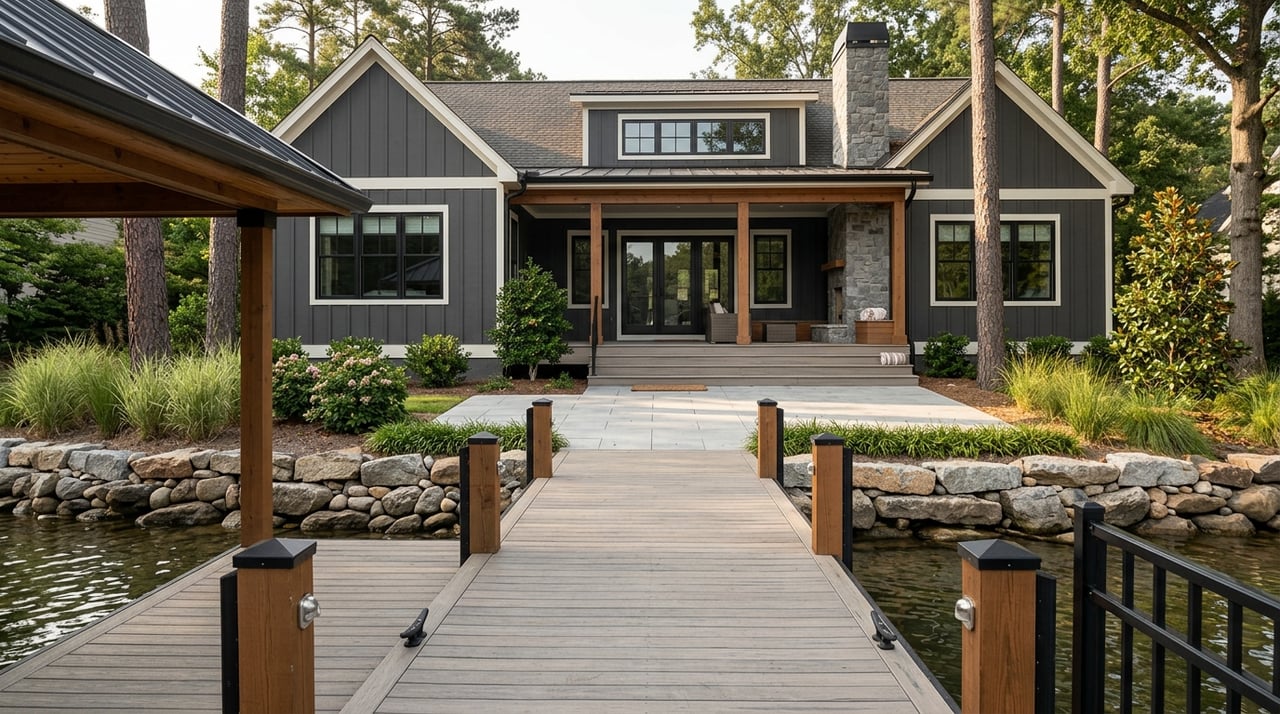
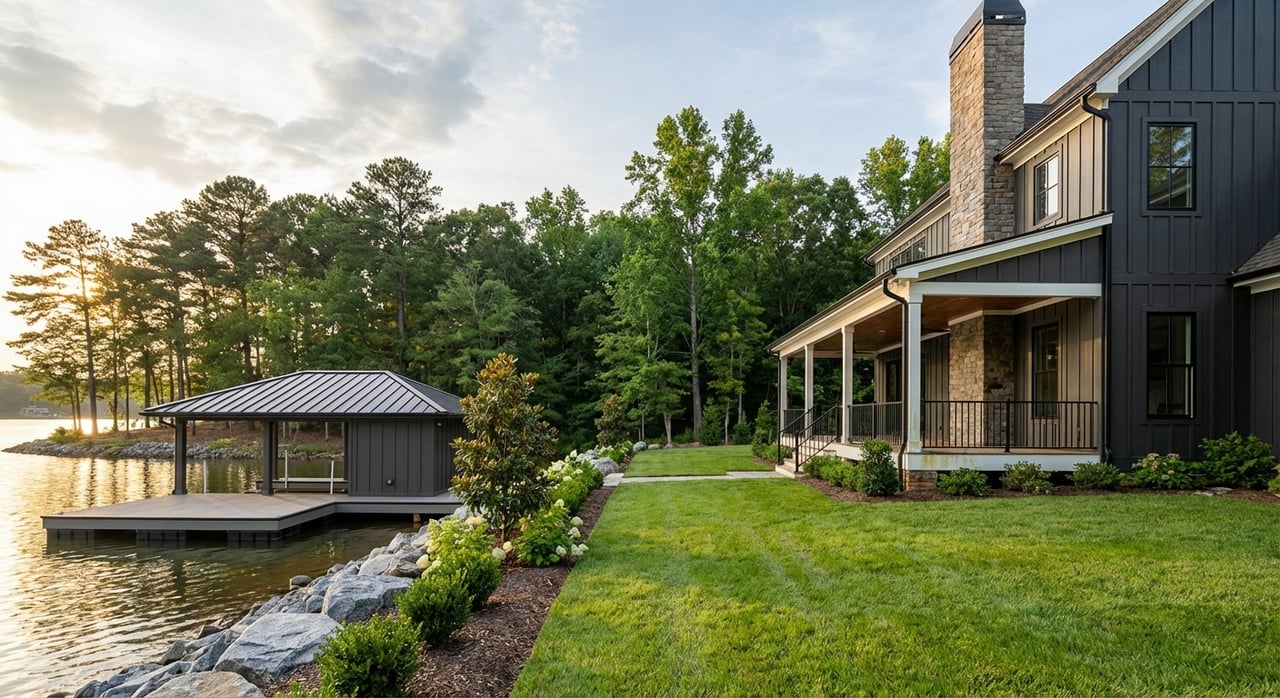
Water access is one of the most important details to verify before closing. The declaration treats piers, boatslips, the boat-storage area, the amenity area, and related infrastructure as common or association-managed areas. It also states that only specifically entitled owners may use certain piers and boatslips.
In practical terms, not every property in The Woods comes with the same boating rights. Some lots may include a deeded slip, some may have an assigned arrangement, and some may not include slip rights at all. If boating access is part of your decision, you should confirm the exact rights tied to the lot you are buying rather than relying on marketing language alone.
Boat storage also has limits. Under the declaration, the boat-storage area is intended for temporary storage of boats, trailers, or recreational vehicles on a first-come, first-served basis. That is helpful to know if you plan to keep extra equipment in the community.
Parking, Pets, and Everyday Use
The day-to-day rules in The Woods are also worth reviewing closely. The declaration addresses lot maintenance and trash storage, and it places limits on parking and storage for trailers, campers, and recreational vehicles. These are the kinds of rules that may not seem urgent during a showing but can shape how comfortable ownership feels once you move in.
Pets are permitted under the declaration, but there is a limit of three household pets and no breeding or commercial use. At least one current listing snapshot for the community also showed pet restrictions that included breed rules, which is a reminder that lot-specific resale documents can matter just as much as the broader declaration. If pets are a major consideration for you, ask for the current resale package and read it carefully.
HOA Fees and Special Assessments
The Woods declaration authorizes multiple fee types. These include annual assessments, boatslip assessments, special assessments for capital improvements, and special individual assessments. It also gives the association collection remedies such as interest, late charges, liens, and in some cases limits on use rights for unpaid balances.
The original recorded assessment amounts were $300 per lot for the annual assessment and $300 per boatslip, but those figures were from the original declaration. More recent listing snapshots have shown annual HOA dues around $1,100 to $1,200, while an older 2022 listing showed $750 in HOA dues plus $350 for a slip. That spread suggests fees can vary based on lot characteristics, slip rights, and timing.
For buyers, the key takeaway is simple: treat MLS dues as a snapshot, not a final answer. Ask the association for the current amount due for the exact property, what it covers, and whether any special assessments are pending or under discussion.
Short-Term Rental Questions
Short-term rental policy is another area where buyers should slow down and verify the details. The public declaration copy does not appear to show a clearly searchable community-wide short-term rental rule, so that policy should be confirmed directly through the association’s current CC&Rs, bylaws, rules, and amendments.
Even if the HOA allows rentals, county tax and registration rules may still apply. The research provided notes that Oconee County requires short-term rental registration and accommodations-tax remittance for stays of less than 90 consecutive days, with a 3% local accommodations tax in unincorporated areas and a separate 2% state accommodation tax. If rental use is part of your plan, confirm both the HOA rules and local requirements before you buy.
Questions to Ask Before You Close
A property in The Woods can be a great fit, but only if you understand exactly what you are buying. Before closing, it helps to get clear answers to a few practical questions.
- Does the lot include a deeded slip, an assigned slip, or no slip at all?
- What does the current annual HOA fee cover?
- Are any special assessments pending or being discussed?
- What exterior changes require architectural review approval?
- Are trailers, RVs, boats, or guest vehicles subject to extra rules?
- Are short-term rentals allowed, and are there minimum stay or registration requirements?
- Are there current amendments beyond the recorded declaration?
Why Local Guidance Helps
The most important thing to remember is that ownership around Lake Keowee is layered. The HOA typically controls day-to-day use and common areas, Oconee County controls zoning and maintenance enforcement, and Duke Energy controls shoreline activity and permitting. Those layers can overlap in ways that are not always obvious from a listing.
That is where local, detail-oriented guidance can make a real difference. A careful review of the HOA packet, boating rights, shoreline restrictions, and current fee structure can help you spot issues early and move forward with more clarity. If you are exploring property in The Woods at Lake Keowee, the Thomas & Crain Team at Keller Williams Drive can help you ask the right questions before contract and navigate the details with confidence.
FAQs
What HOA rules should buyers review in The Woods at Lake Keowee?
- Buyers should review the current declaration, bylaws, rules, amendments, financial statements, assessments, architectural review requirements, parking rules, pet rules, and any lot-specific resale documents.
What is the difference between HOA rules and county rules in Oconee County?
- The HOA enforces private covenants and community rules, while Oconee County enforces public codes such as property maintenance and zoning, including overlay rules affecting some Lake Keowee parcels.
What shoreline rules apply to lakefront property on Lake Keowee?
- Lakefront property may be subject to HOA setback and vegetation rules, Oconee County overlay requirements, and Duke Energy permitting for docks, piers, stabilization, excavation, and other shoreline changes.
What should buyers verify about boatslips in The Woods at Lake Keowee?
- Buyers should confirm whether the lot includes a deeded slip, an assigned slip, or no slip rights at all, because boating access can vary from one property to another.
Are short-term rentals allowed in The Woods at Lake Keowee?
- The public declaration copy does not clearly confirm a community-wide short-term rental rule, so buyers should verify the current policy directly with the association and also confirm Oconee County registration and tax requirements.
How can buyers confirm current HOA dues in The Woods at Lake Keowee?
- Buyers should ask the association or closing attorney for the current fee schedule for the exact property, including annual dues, any boatslip fees, and whether special assessments are pending.