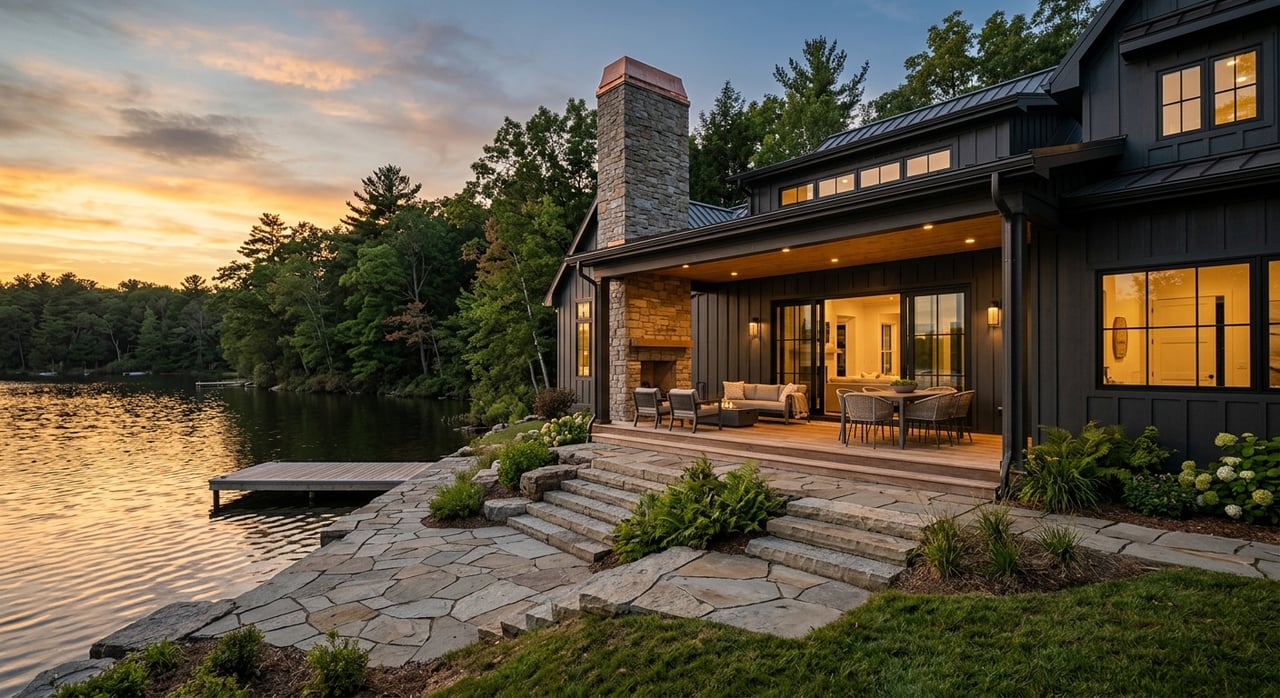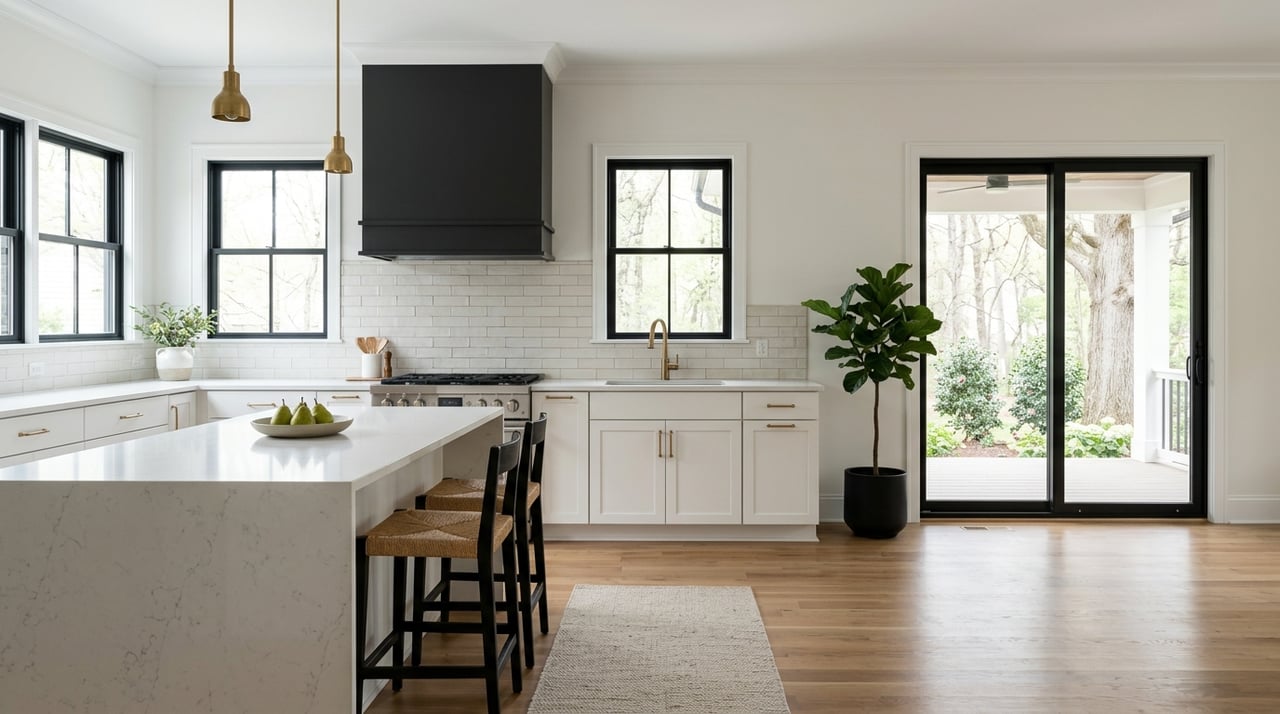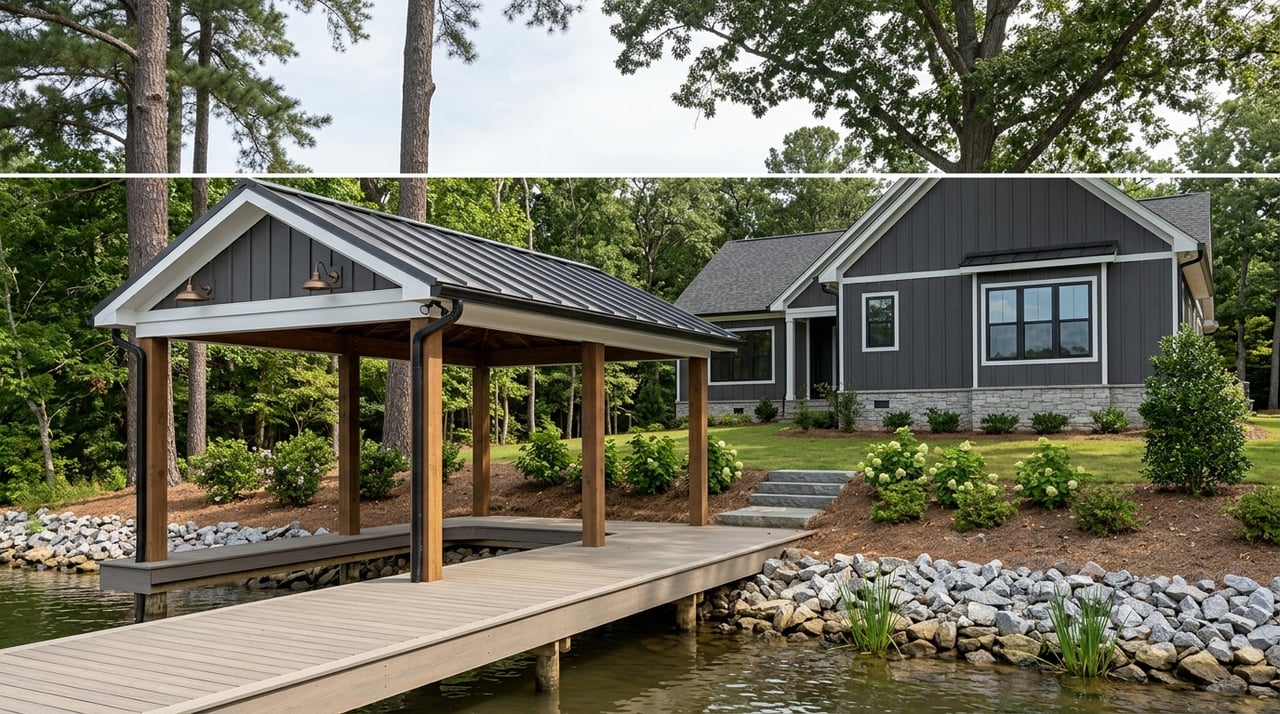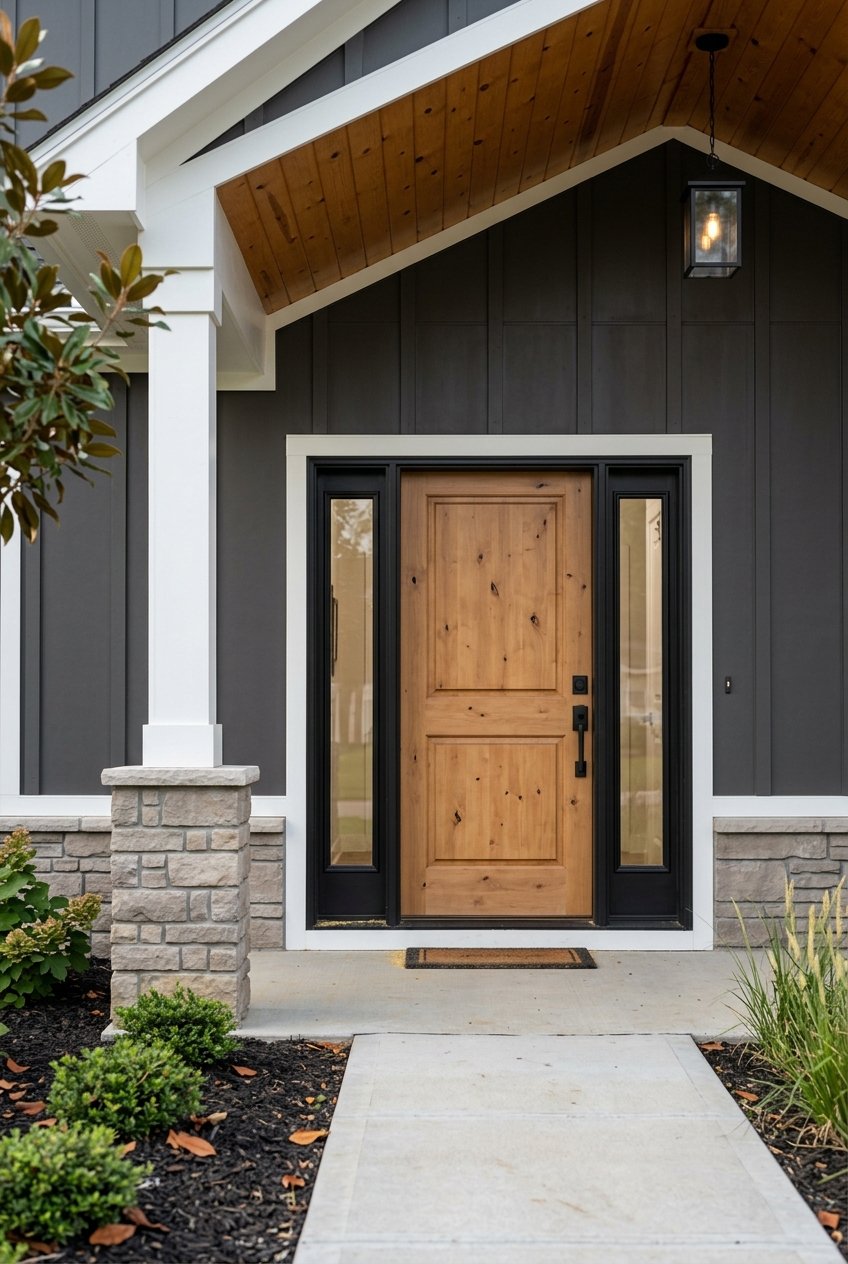
Wondering whether now is the right time to sell your home in Seneca? You are not alone. Many homeowners are trying to balance rising inventory, price sensitivity, and the hope of catching strong seasonal demand. The good news is that today’s market still offers real opportunity if you time and price your sale carefully. Let’s dive in.
What the Seneca market looks like now
Seneca is active, but it is not the kind of market where almost any home will sell instantly at any price. In March 2026, Seneca had 476 active listings, a median listing price of $427,000, median days on market of 53, and a 99% sale-to-list ratio. That points to steady buyer activity, but not a runaway seller’s market.
The bigger picture in Oconee County is a little softer. Countywide, there were 1,201 active listings, a median listing price of $423,990, median days on market of 57, and a 98% sale-to-list ratio in March 2026. Realtor.com also reported that homes in Oconee County sold for an average of 2.16% below asking, which is a useful reminder that buyers have options.
For you as a seller, this means timing matters, but pricing matters just as much. Buyers are still in the market, yet they are less likely to overlook overpricing or deferred maintenance. A strong launch can make a real difference.
Why timing matters in Seneca
In a market with more competition, the week you list can influence how much attention your home gets early on. National 2026 timing research from Realtor.com points to the week of April 12 through 18 as the strongest week to sell, while Zillow found that homes listed in the last two weeks of May 2025 sold for 1.7% more nationally. Across both studies, the clearest pattern is that spring remains the core selling window.
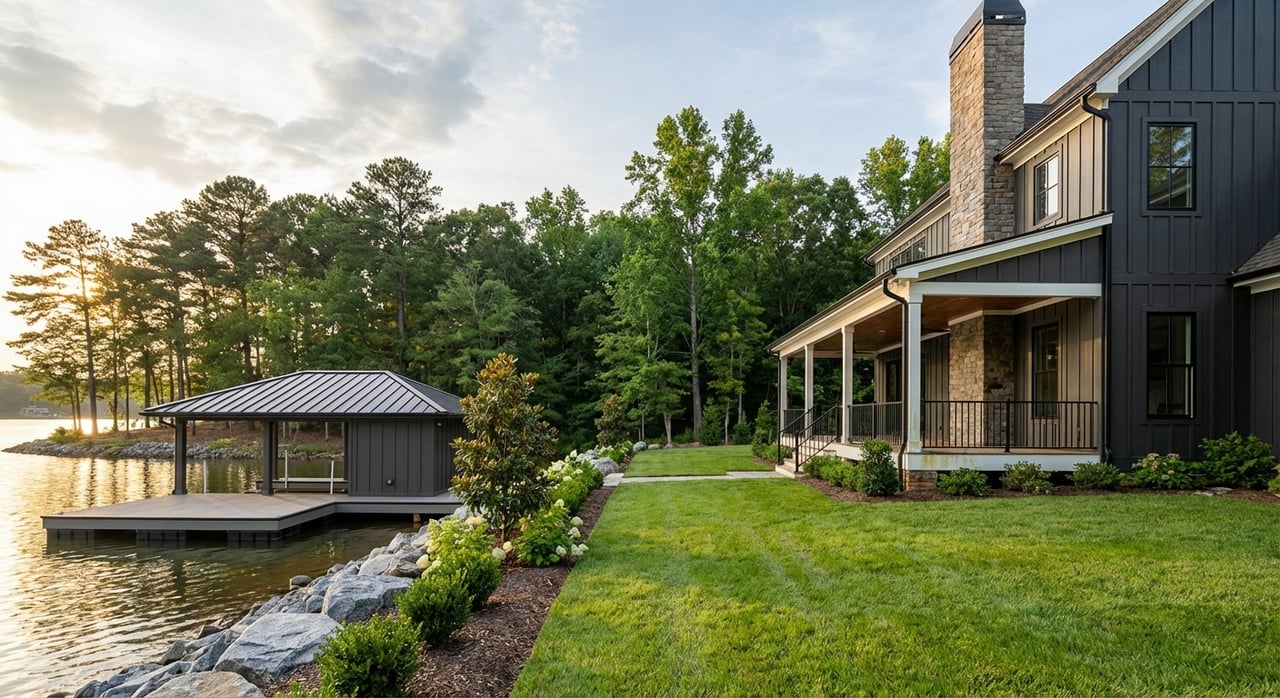
That does not mean every Seneca seller should rush to market on the same date. The best timing for your home depends on local inventory, neighborhood competition, and your property type. A move-in-ready in-town home may perform differently than a Lake Keowee property, a new construction listing, or a home in a slower-moving pocket of the market.
The main takeaway is simple: if you want to take advantage of spring demand, preparation needs to happen before the market window opens. Waiting until the ideal week arrives to start repairs, staging, or photography can put you behind.
Seneca is a micro-market
One of the biggest mistakes sellers make is treating Seneca as one flat market. The data show that different parts of Oconee County are moving at very different speeds. In ZIP code 29672, the median listing price was $749,000 and median days on market were 33, while ZIP code 29678 had a median listing price of $330,000 and median days on market of 70.
That gap matters. It means your timing strategy should be based on neighborhood-level comps and current competition, not just citywide headlines. A home in one part of the market may need a fast, polished launch, while another may benefit from a little more lead time and a sharper pricing plan.
This is where local knowledge becomes especially valuable. Looking at Seneca through a hyperlocal lens helps you make better decisions about when to list, what to improve, and how to position your home against nearby alternatives.
Spring is still the prime window
If your goal is to sell at the strongest possible moment, spring is still the season most sellers should target. Zillow’s research shows that higher returns generally occur between March and July. Buyer motivation also tends to rise in late spring as people plan summer moves and try to get settled before the next school year.
That momentum matters because fresh listings attract the most attention in their first days on the market. In a balanced or slightly buyer-leaning environment, you want to meet buyers when they are actively searching, not after competing inventory has built up further.
If you are planning a move later this year, it may still make sense to prepare now and list as soon as your home is market-ready. In a market like Seneca, being fully prepared often matters more than trying to hit one perfect calendar date.
Rising inventory changes your strategy
Inventory in Seneca has increased 19.45% year over year and 14.01% month over month. Across Oconee County, inventory was up 12.93% month over month and 4.61% year over year. More homes on the market means buyers can compare more options, and sellers face more direct competition.
That shifts the advantage toward homes that show well and are priced realistically from day one. In tighter markets, sellers sometimes get away with testing the ceiling. In today’s environment, that approach can lead to longer market time and more price reductions.
South Carolina’s statewide data support the same idea. Active listings were up 9.9% year over year, median for-sale price was down 1.1% year over year, and median days on market were up 10.2% year over year. Those numbers point to a market where careful pricing is often more effective than aggressive pricing.
Mortgage rates still affect demand
Mortgage rates remain high enough to shape buyer behavior. Freddie Mac reported a 30-year fixed rate of 6.30% on April 30, 2026, up slightly from 6.23% the week before, but down from 6.76% a year earlier. Even with those costs, purchase applications were more than 20% above a year ago.
That is encouraging for sellers because it shows buyers have not disappeared. At the same time, higher borrowing costs tend to make buyers more price-sensitive. They may be willing to act, but they are usually more selective about value, condition, and monthly payment.
For you, that means the market still rewards homes that feel well cared for and well positioned. If your home makes a strong first impression and fits the local price range well, buyers are still there.
How to work backward from your move date
If you already know when you want to move, start with your ideal closing date and work backward. This keeps your timeline practical and helps you avoid rushing prep at the last minute. It also gives you room to make smart decisions on pricing, repairs, and presentation.
A simple timing plan may look like this:
- 8 to 12 weeks before listing: review neighborhood comps, set your pricing strategy, and build your prep list
- 4 to 8 weeks before listing: handle repairs, touch-up paint, landscaping, decluttering, and fixture updates
- 2 to 3 weeks before listing: finish staging touches and schedule professional photography
- Listing week: launch with strong visuals, a clear price, and a plan for showing activity and feedback
Zillow reports that most sellers start thinking about a move 3 to 4 months before listing, and 53% spend one month or less getting ready. In a market with more inventory, giving yourself more runway can help you compete more effectively.
What prep work matters most
When inventory rises, first impressions matter even more. Buyers often decide very quickly whether a home feels worth the asking price. That is why small updates and basic maintenance can have an outsized impact.
Realtor.com’s South Carolina guidance suggests that minor cosmetic updates like paint, fixtures, and landscaping typically pay off. Decluttering, freshening curb appeal, and addressing obvious maintenance items can also reduce buyer objections before they start.
Here are the prep items that often matter most in a market like Seneca:
- Fresh interior paint where needed
- Simple fixture updates
- Lawn cleanup and trimmed landscaping
- Decluttered surfaces and storage areas
- Clean, bright rooms for photography
- Minor repairs that buyers will notice during showings
Selling as-is is still an option in some cases, but it can leave money on the table because buyers may expect a discount. If your goal is to maximize timing and price, market-ready presentation usually gives you a stronger start.
Pricing should match today’s conditions
In a balanced market, pricing is one of your most important timing tools. If you price well from the beginning, you increase the odds of attracting attention while your listing is still fresh. If you overshoot, you may lose momentum during the most important first weeks.
Realtor.com’s South Carolina guidance recommends basing pricing on recent comparable sales, overall market momentum, and property features. In Seneca, that is especially important because neighborhood and ZIP code trends can differ so much. A generic online estimate may not capture what buyers are actually paying in your immediate area.
The goal is not simply to list high and hope. The goal is to enter the market at a price that reflects current competition, buyer expectations, and your home’s condition. That approach often creates a stronger response and a smoother path to closing.
Should you sell now or wait?
For many homeowners in Seneca, the answer comes down to readiness more than season alone. If your home is prepared, priced thoughtfully, and entering the market during active buyer demand, listing now can make sense. If you still need several weeks of work, waiting just long enough to launch well may be the better move.
The market is not closed to sellers. It is simply more selective than it was in ultra-tight conditions. Homes are still selling, but the best results usually go to sellers who treat timing, prep, pricing, and presentation as one connected strategy.
That is why a neighborhood-level review is so helpful. The right decision for your home depends on where it sits within the Seneca and Oconee market, not just on a broad headline about real estate trends.
If you are thinking about selling in Seneca or anywhere in Oconee County, a local strategy can help you choose the right window, price with confidence, and prepare your home to stand out. Connect with the Thomas & Crain Team at Keller Williams Drive to request a free home valuation and build a timing plan that fits your goals.
FAQs
When is the best time to list a home in Seneca, SC?
- Spring is generally the strongest selling season, with national research pointing to March through July as the core window. In Seneca, the best timing also depends on your neighborhood, price point, and how much competing inventory is on the market.
Is Seneca, SC a seller’s market right now?
- Seneca was labeled a balanced market in March 2026, with 476 active listings, 53 median days on market, and a 99% sale-to-list ratio. That means buyers are active, but sellers still need to price and prepare carefully.
How long does it take to sell a home in Seneca, SC?
- In March 2026, the median days on market in Seneca were 53. Some areas and price points move faster, while others take longer, so neighborhood-level data matters.
How should sellers price a home in Oconee County, SC?
- Sellers should base pricing on recent comparable sales, current market momentum, and the home’s specific features and condition. In a market with rising inventory, realistic pricing often works better than aiming above the market.
What home improvements matter before listing a Seneca home?
- Minor cosmetic updates like paint, fixtures, landscaping, decluttering, and basic repairs can improve first impressions and help reduce buyer objections. In today’s market, these smaller improvements can support a stronger launch.
Should I wait to sell my home in Seneca, SC?
- If your home is ready and priced well, listing during active buyer demand may make sense now. If it still needs repairs or presentation work, waiting a few weeks to launch in better condition can be the smarter strategy.