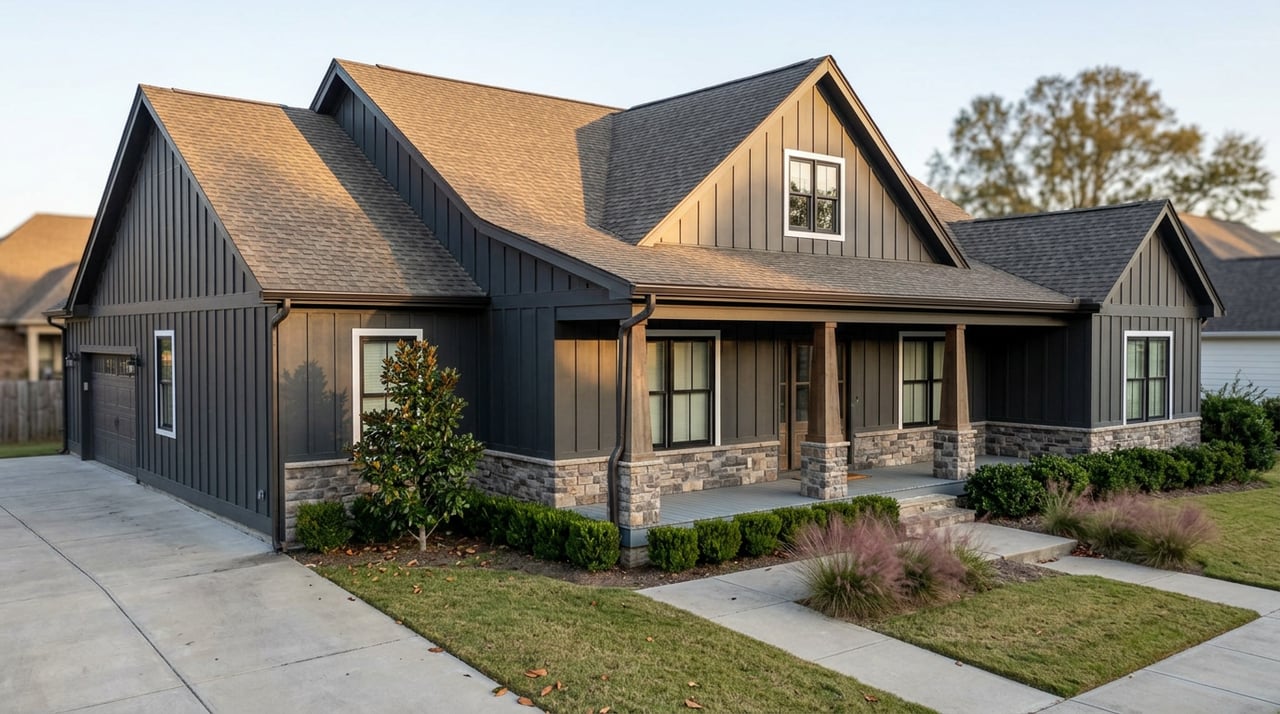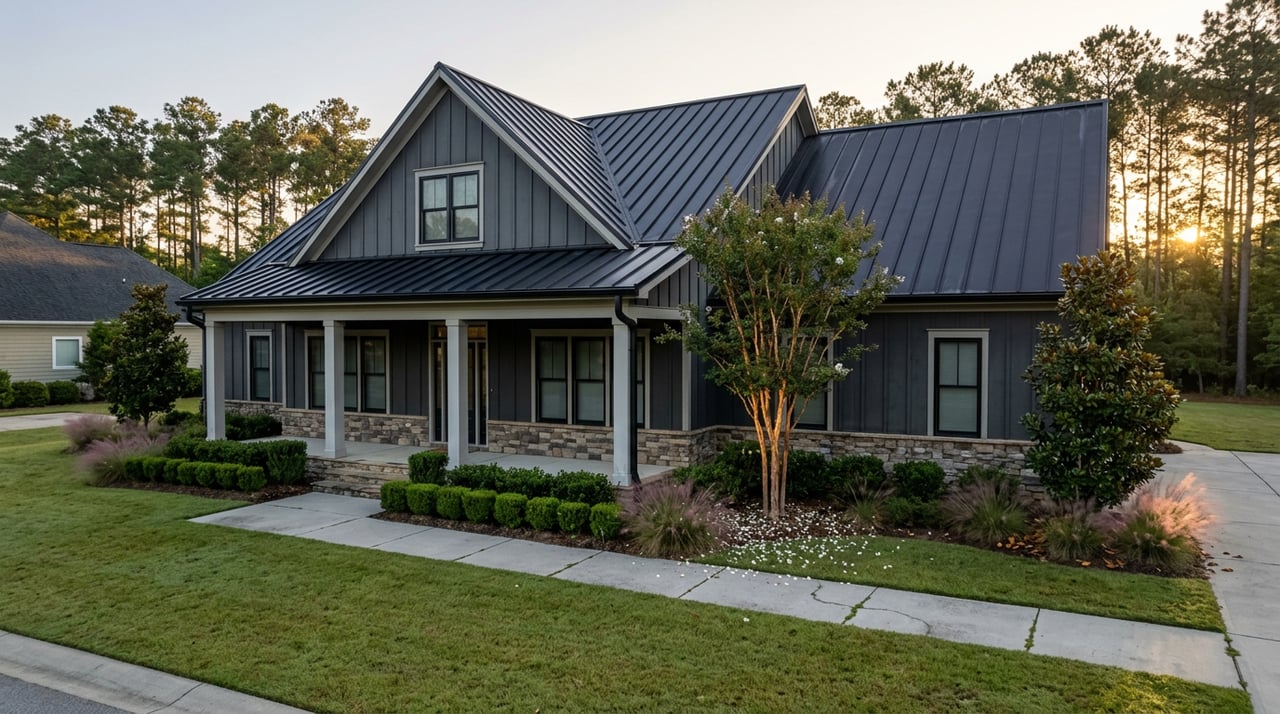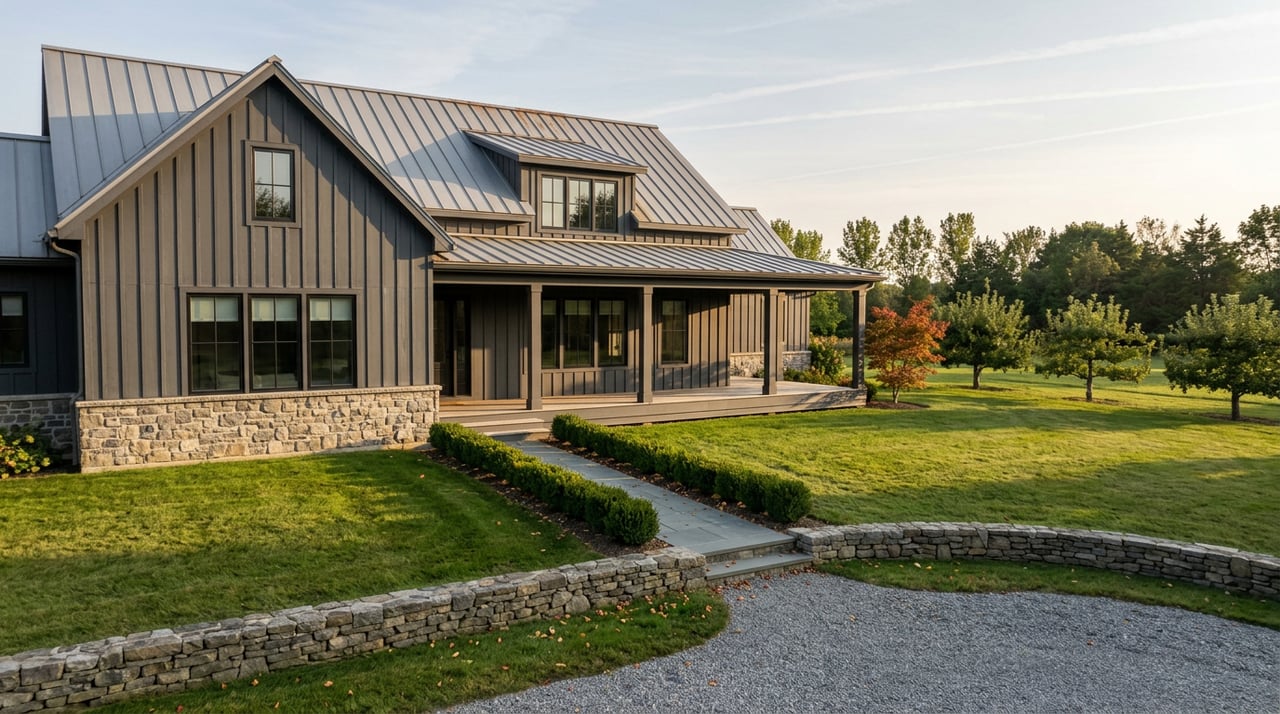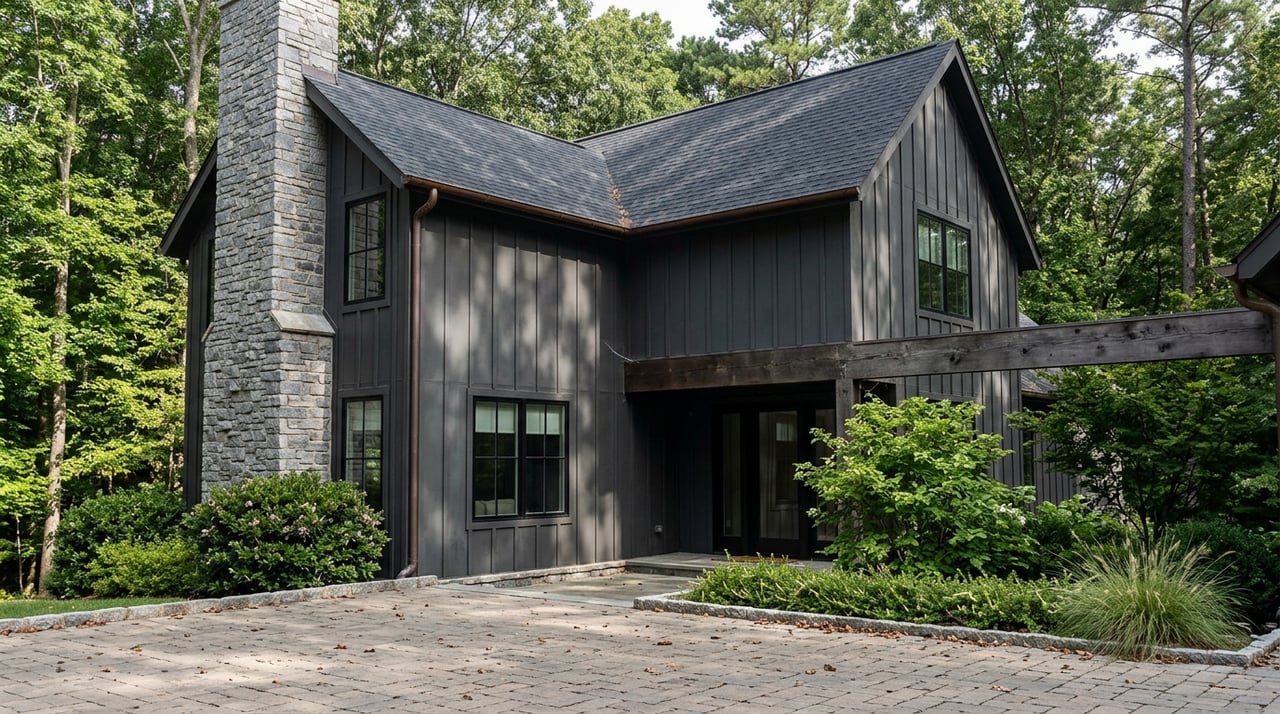
If you are trying to buy a single-family home in Clemson, you have probably already noticed that one street can feel completely different from the next. In a market this tight, your neighborhood choice shapes more than price. It affects lot size, maintenance, daily drive times, and even how much predictability you get from the surrounding homes. This guide will help you compare Clemson’s main single-family neighborhood types so you can focus on the areas that fit your everyday life. Let’s dive in.
Why Clemson Neighborhood Choice Matters
Clemson is a supply-constrained market, which means your options can narrow quickly when the right home hits the market. Recent market snapshots show a broad value range, with Zillow reporting an average home value of $407,457 as of April 30, 2026, Redfin reporting a March 2026 median sale price of $510,000, and Realtor.com reporting a January 2026 median asking price of $424,475. While those numbers use different methods, they point to the same reality: small location differences can create big price changes.
The city’s layout also adds pressure. Clemson has grown around downtown, Clemson University, and major travel corridors like U.S. 123, College Avenue, and S.C. 93. Lake Hartwell and university land limit how the city expands, so neighborhood location matters more here than it might in a less constrained market.
Three Main Neighborhood Types
For most everyday buyers, Clemson single-family neighborhoods fall into three practical buckets. Each one comes with a different mix of price, upkeep, lot size, and lifestyle. Once you know which bucket fits you best, your search usually gets much easier.
Established In-Town Streets
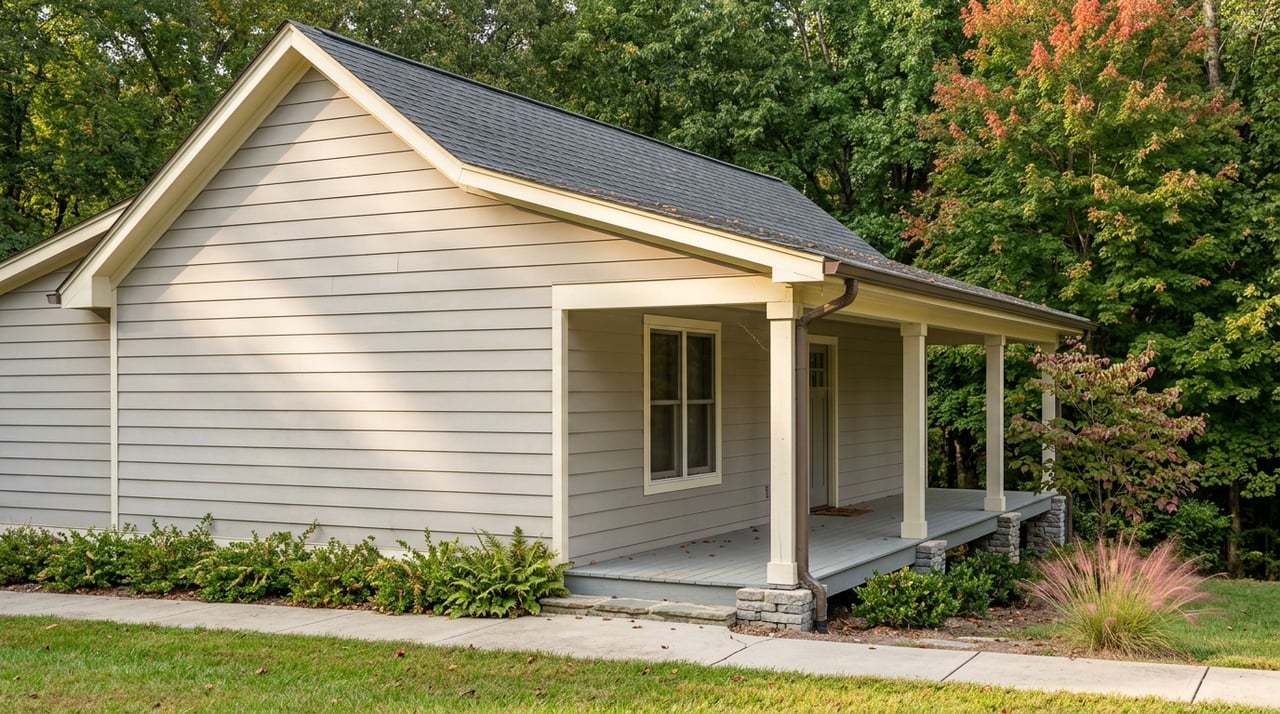
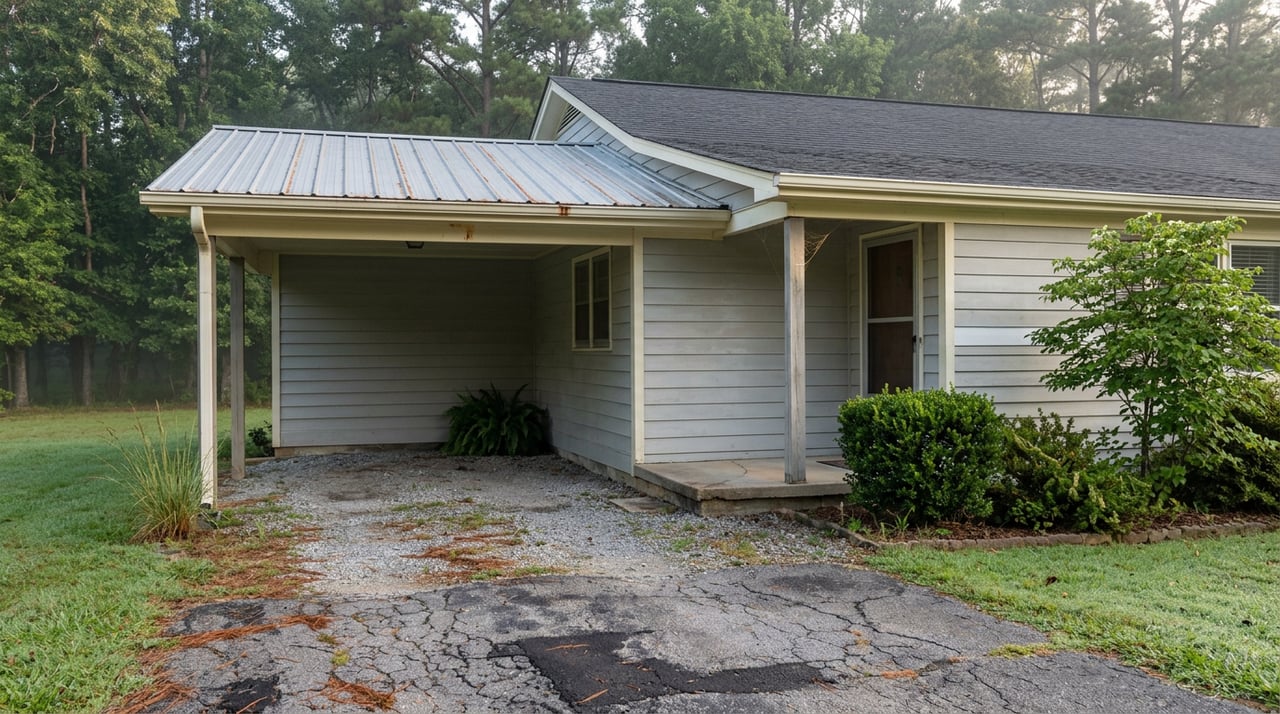
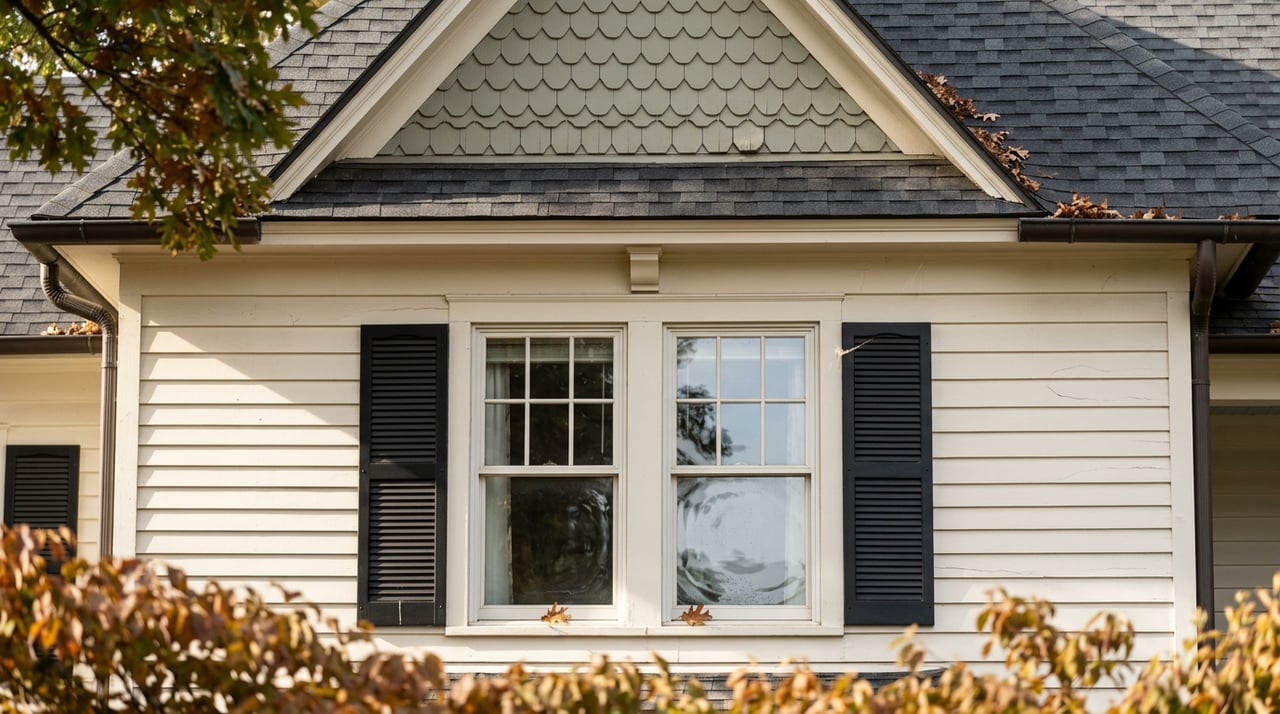
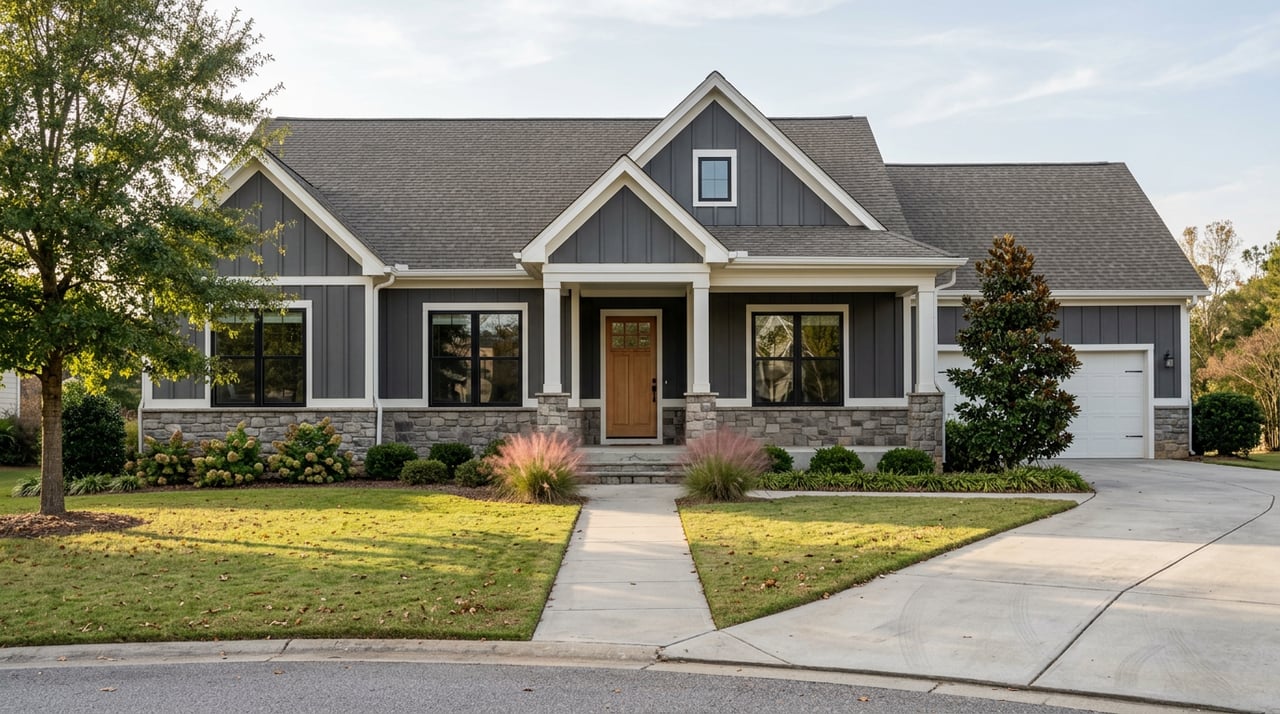
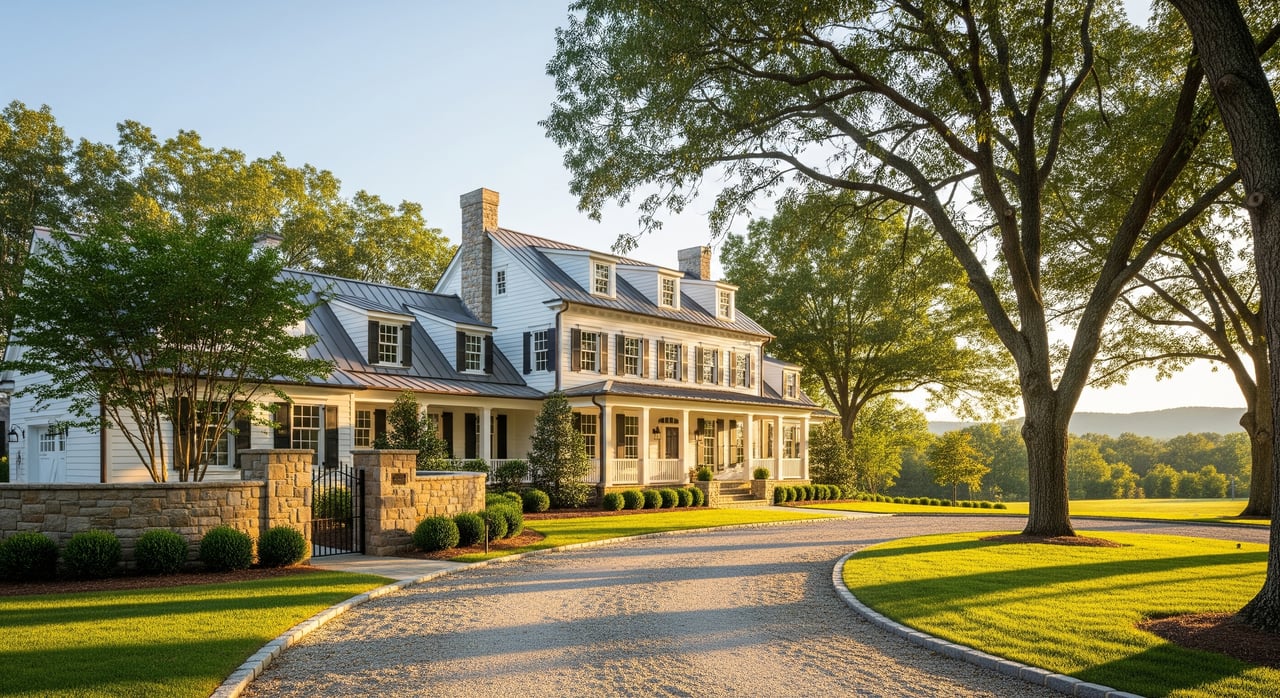
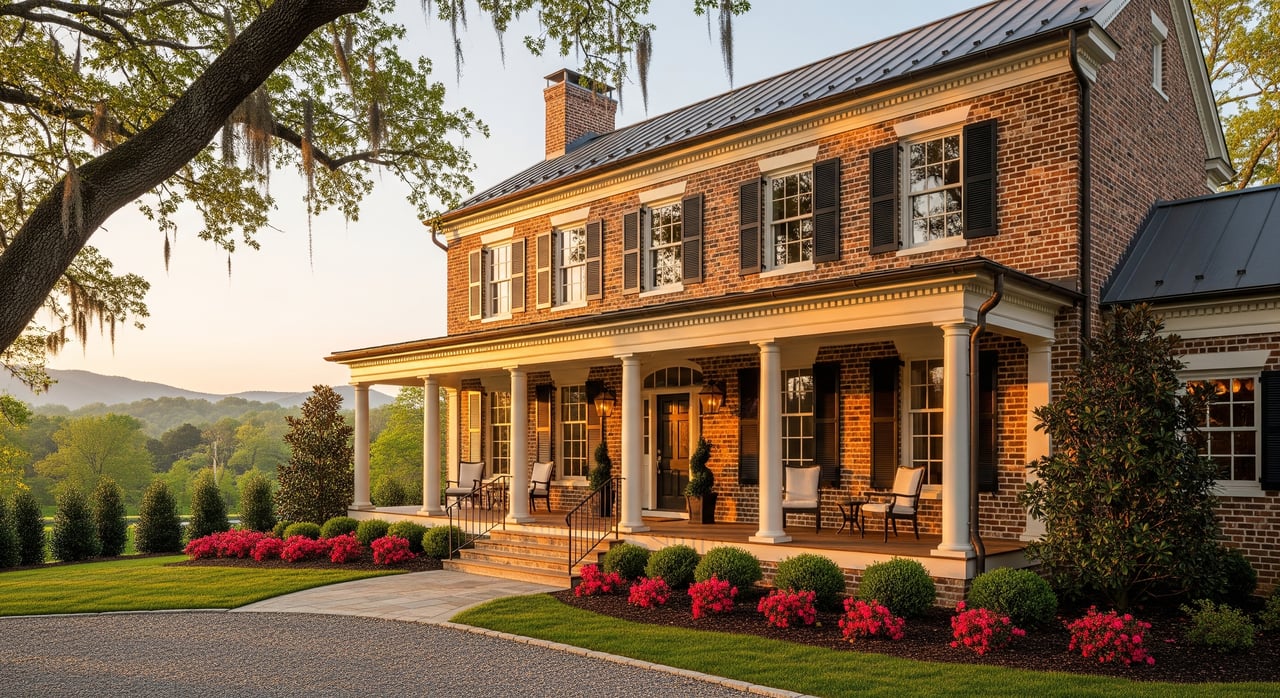
These are the classic Clemson neighborhoods many buyers picture first. You will often find mature trees, larger lots, and older homes with more variation in style and condition. HOA costs also tend to be lighter here, which can appeal if you want fewer monthly obligations.
The tradeoff is consistency. Older in-town areas can show more renovation differences from house to house, and the city notes pressure from student-rental conversion and teardown or rebuild activity in some established areas. If you like character and land, this category is worth serious attention, but you may need to look more carefully at each block and each property.
Newer Subdivisions
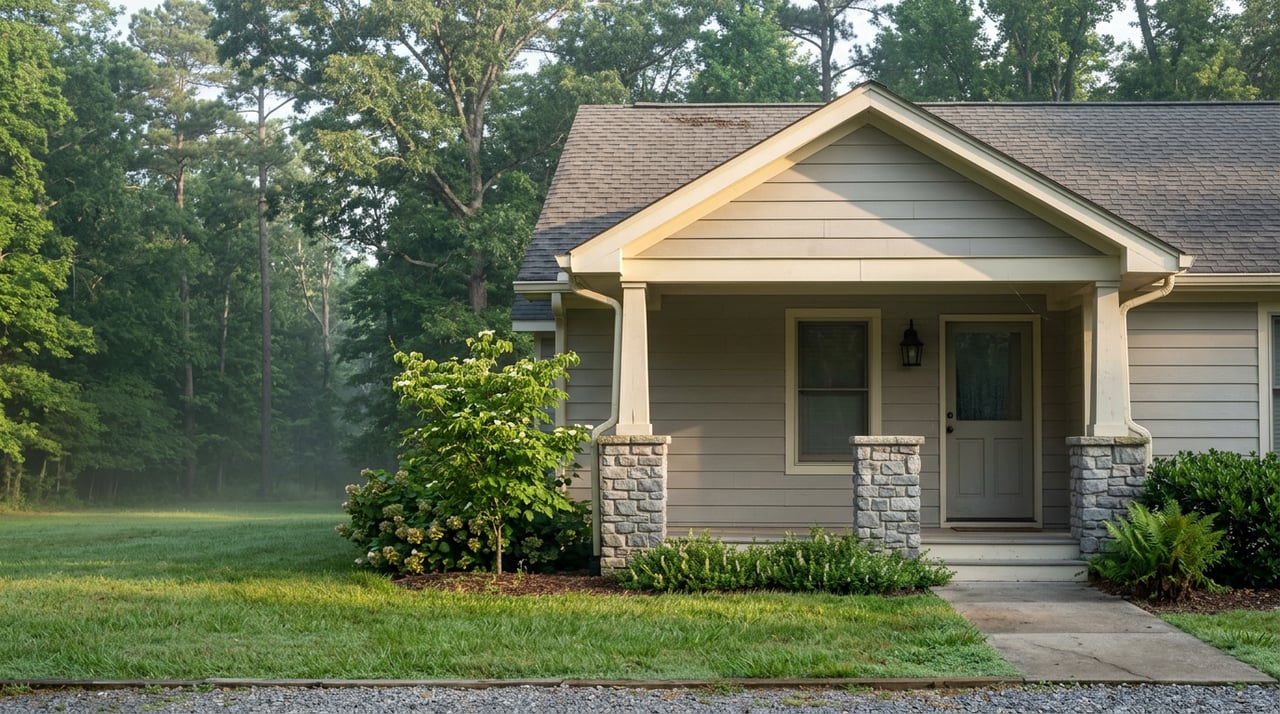
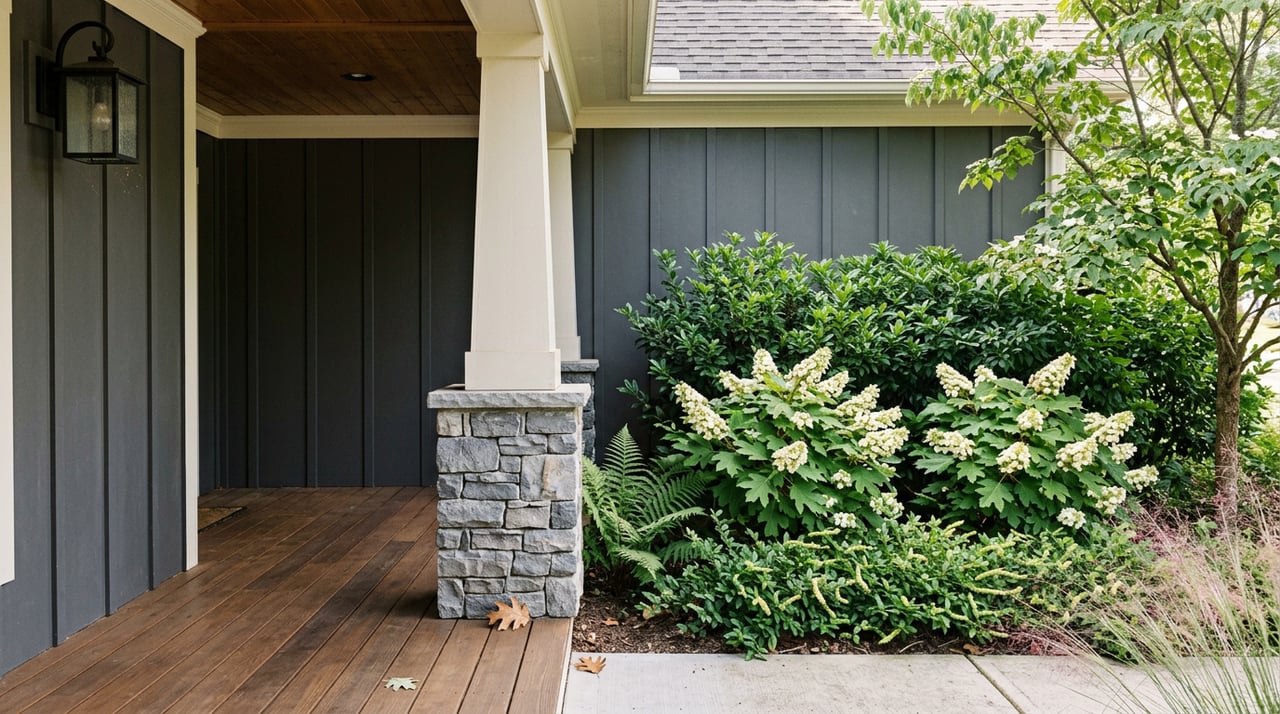
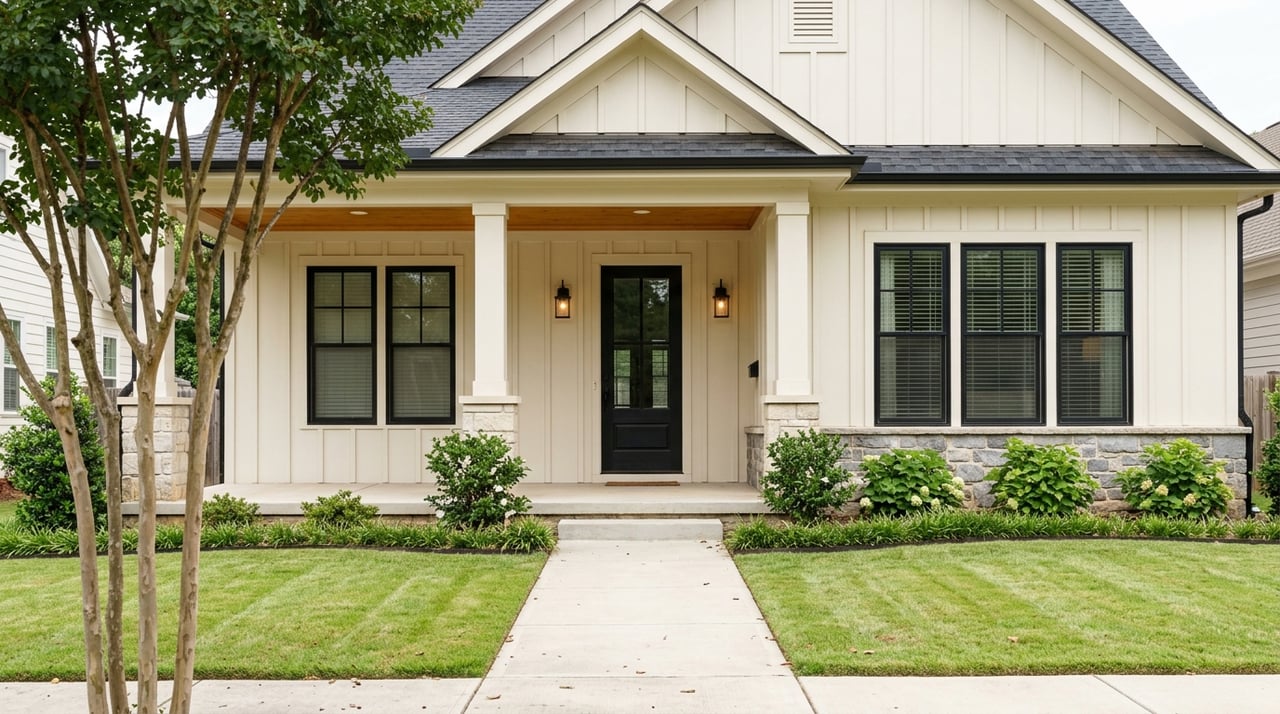
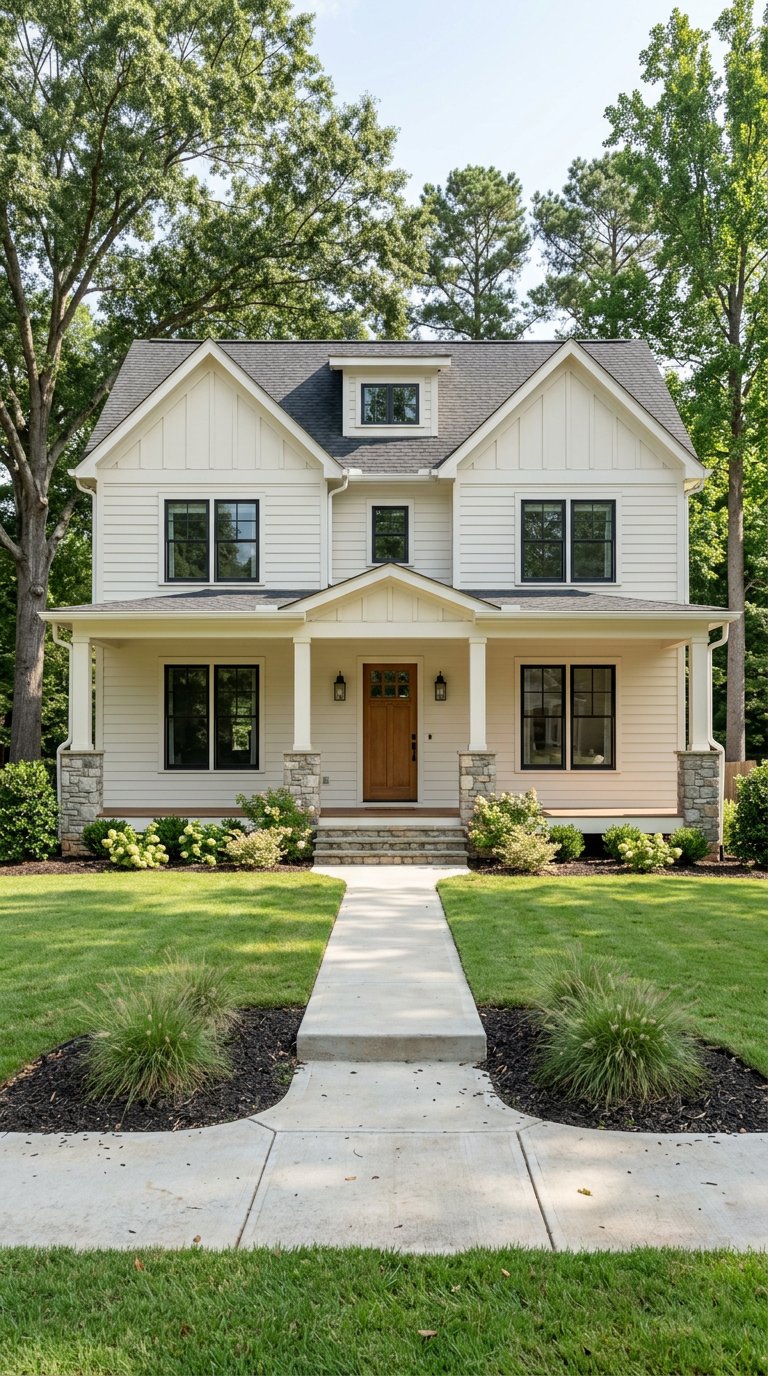
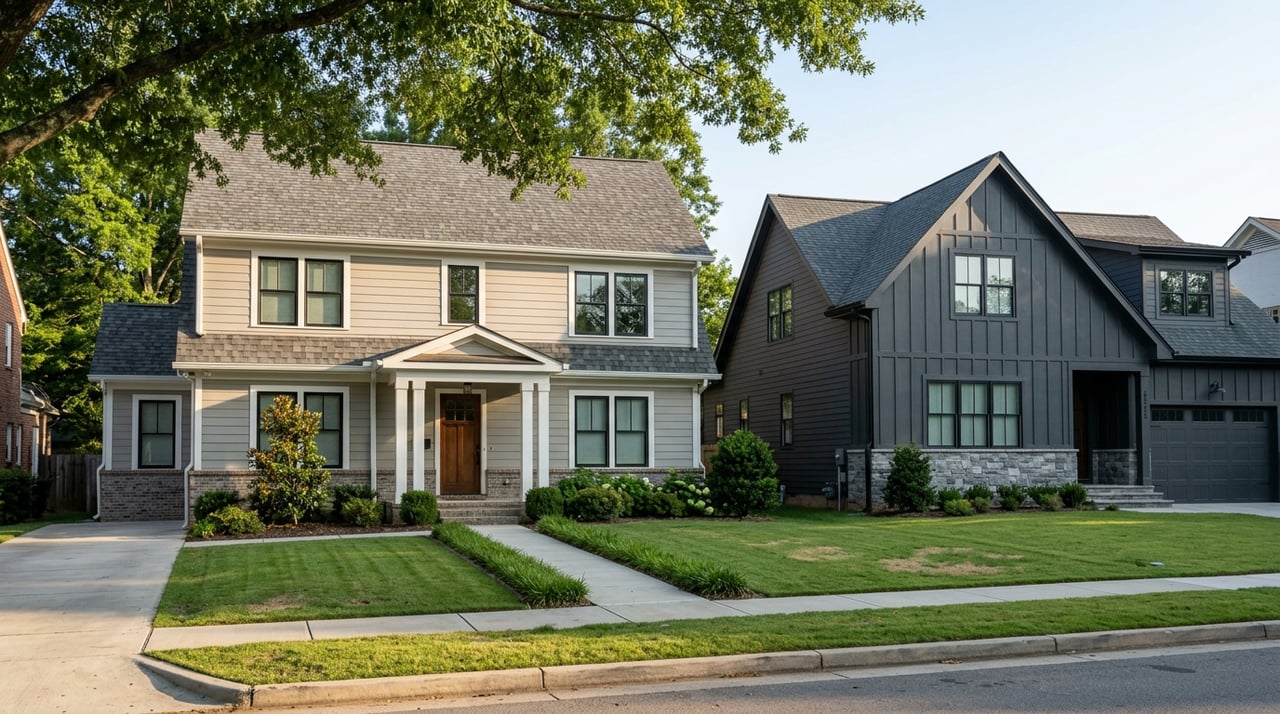
Newer Clemson communities usually offer a more predictable ownership experience. Homes often come with newer systems, smaller lots, and HOA structures that help manage maintenance and community appearance. For buyers who want something more move-in ready, this can be a strong fit.
These neighborhoods also tend to connect well to major roads like U.S. 123. That matters if your routine includes commuting around Clemson, getting to shopping, or staying close to daily services. In exchange for that convenience, you will usually give up some yard size and pay more in HOA dues.
Lake-Adjacent Pockets
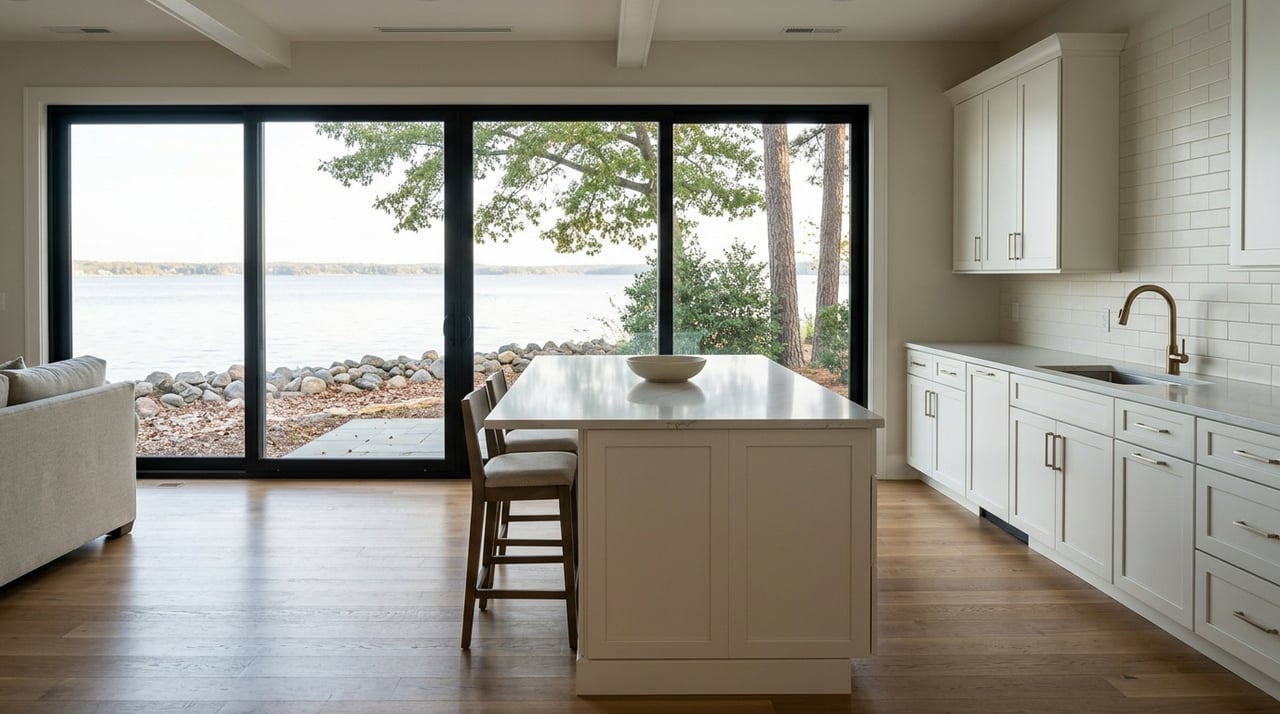
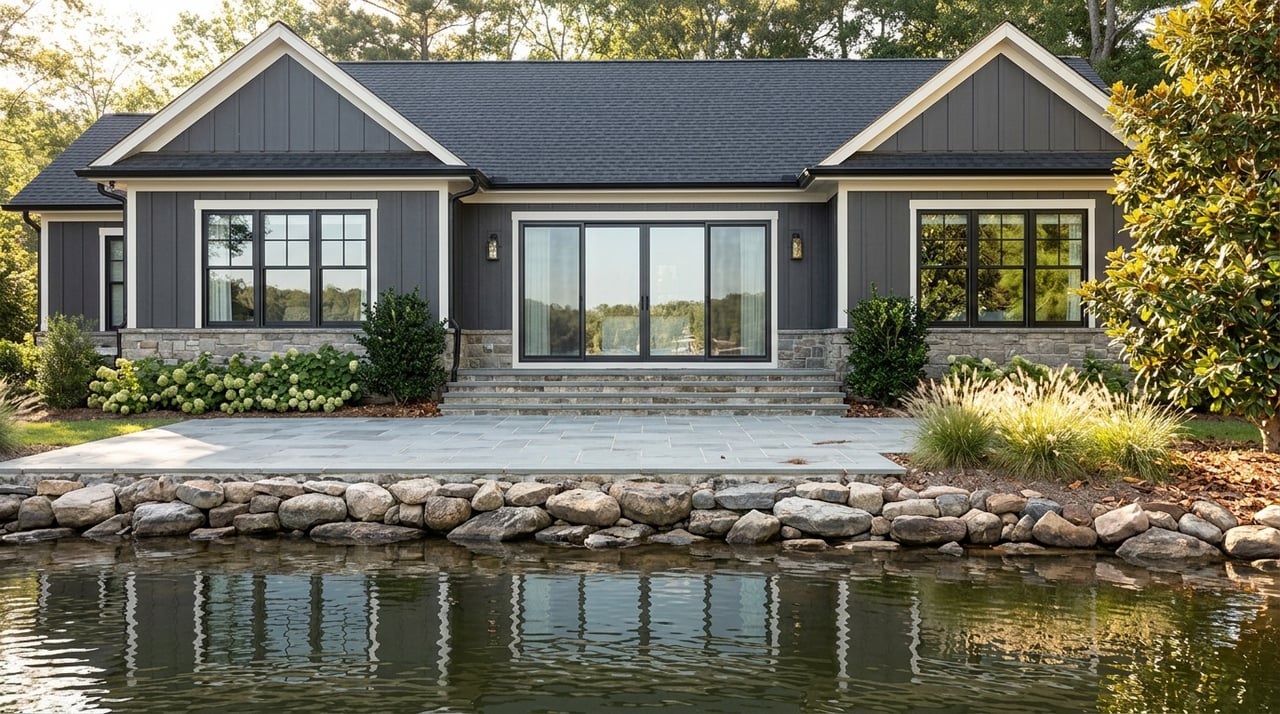
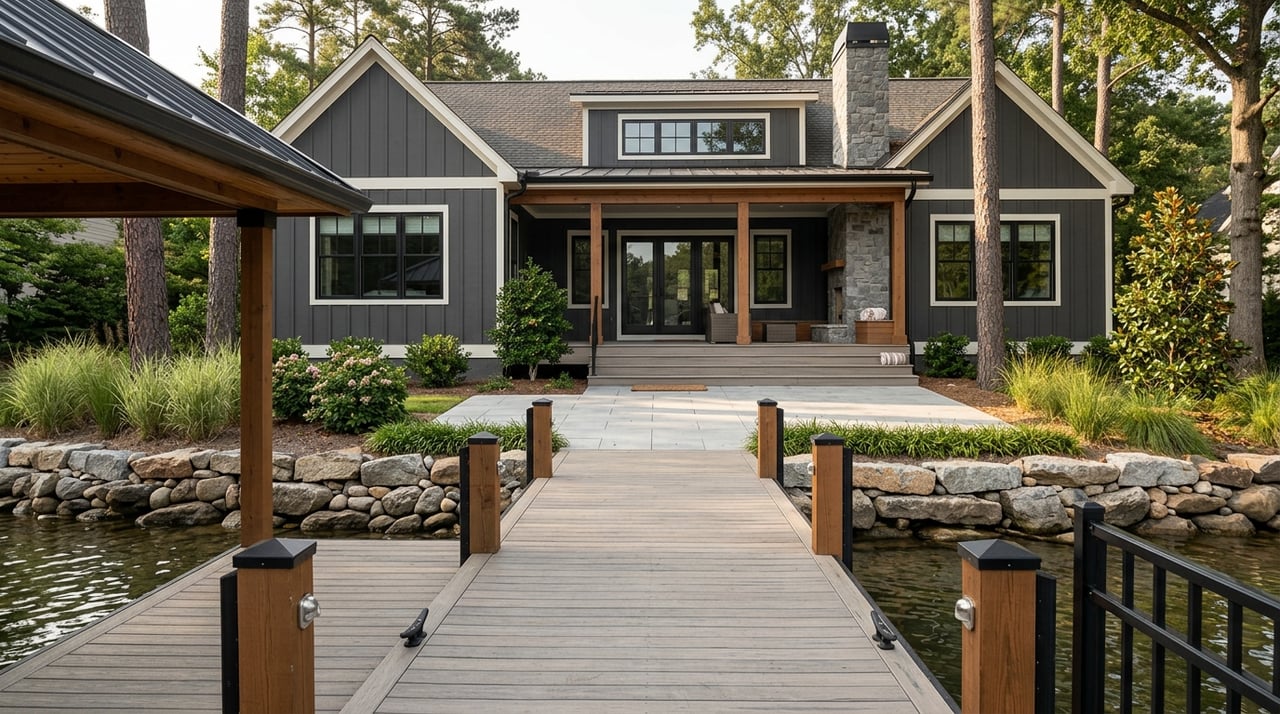
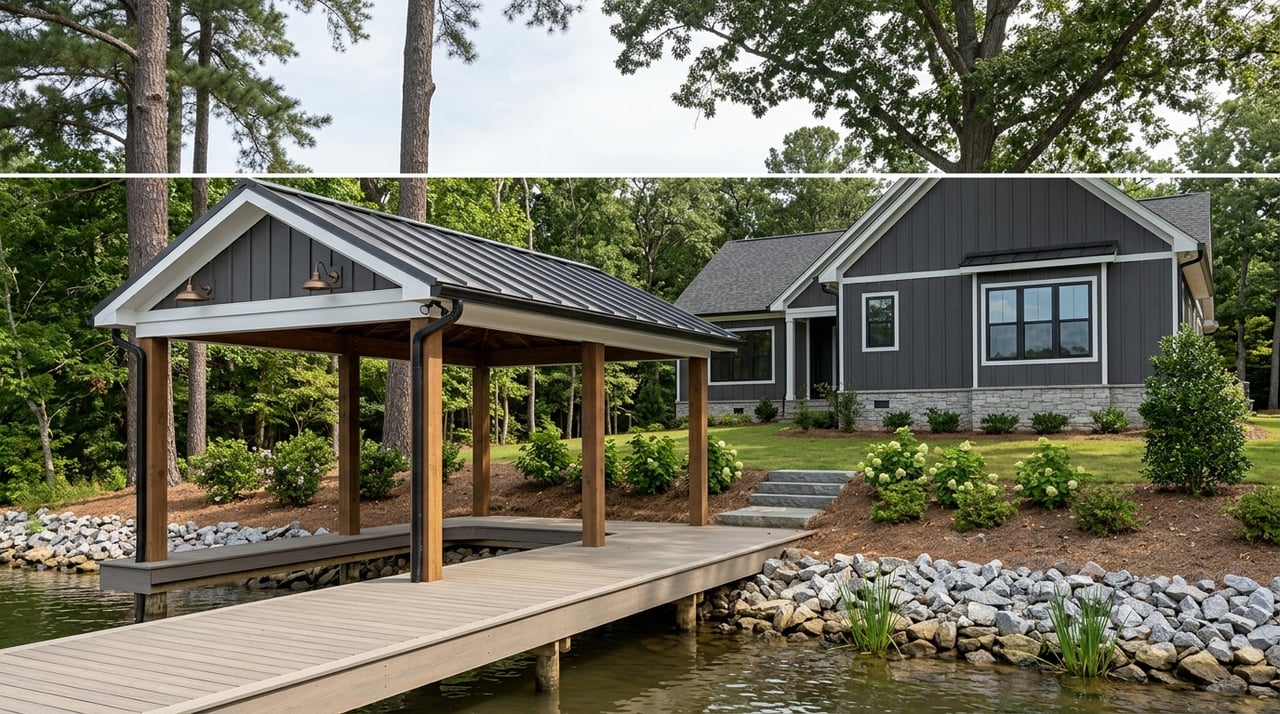
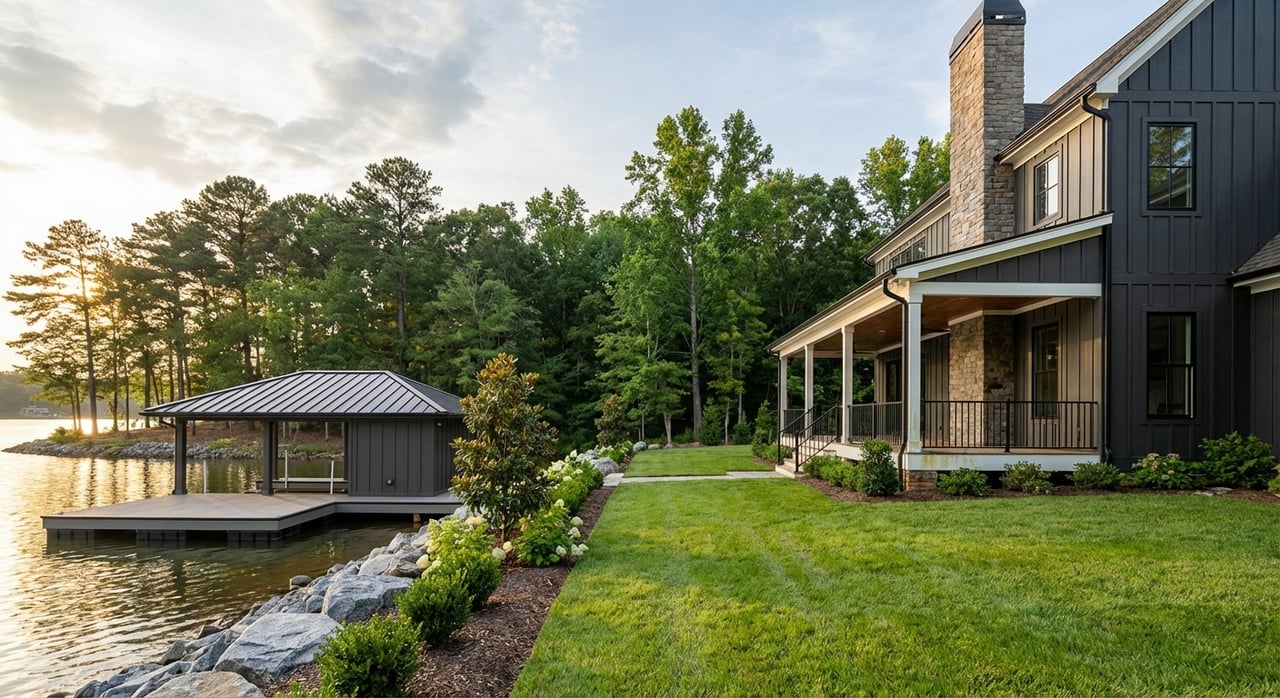
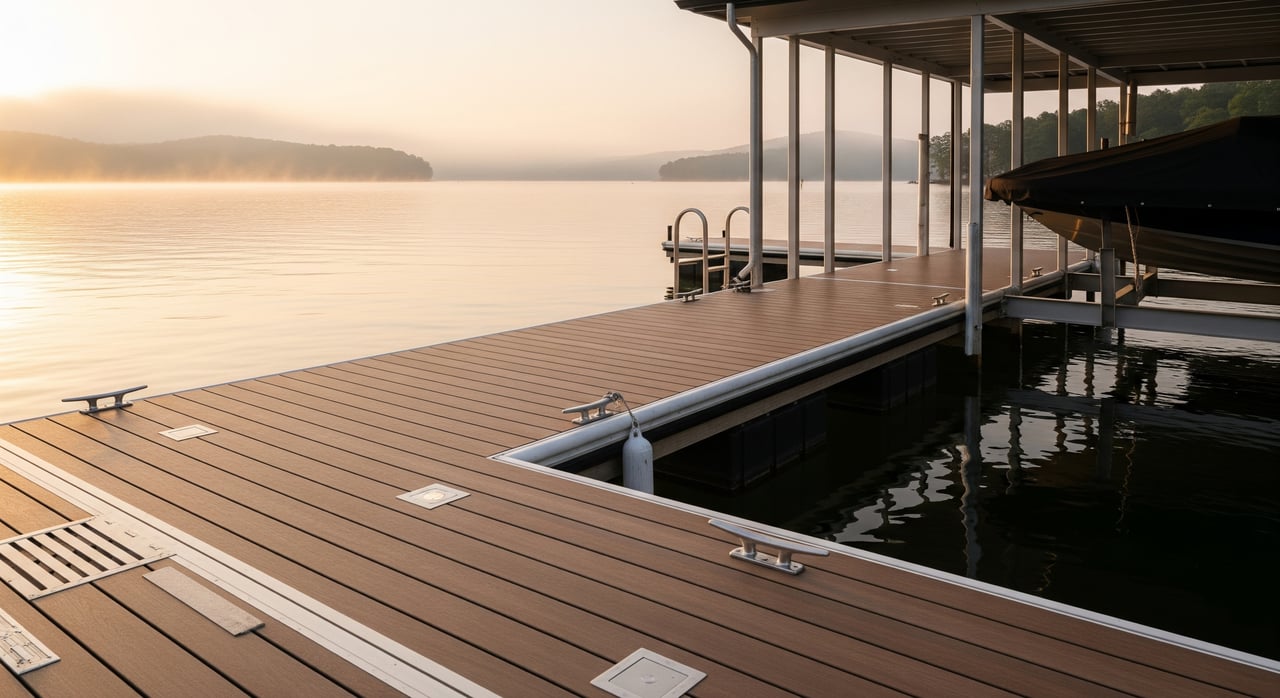
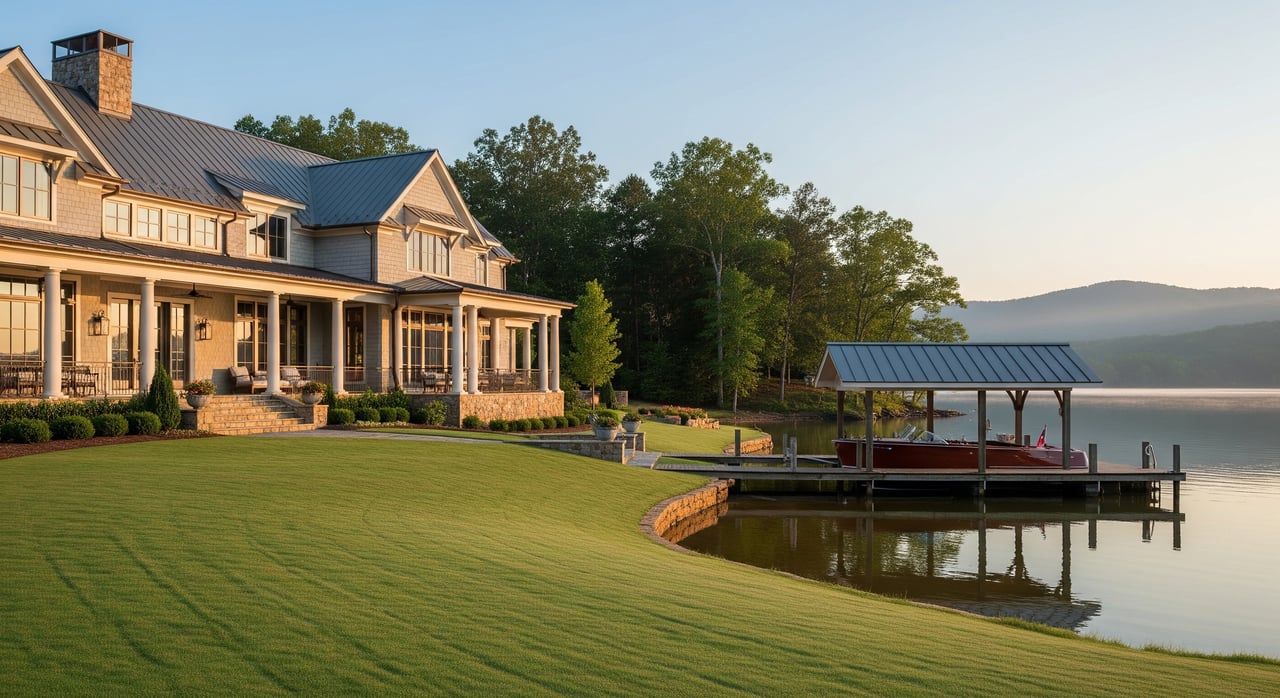
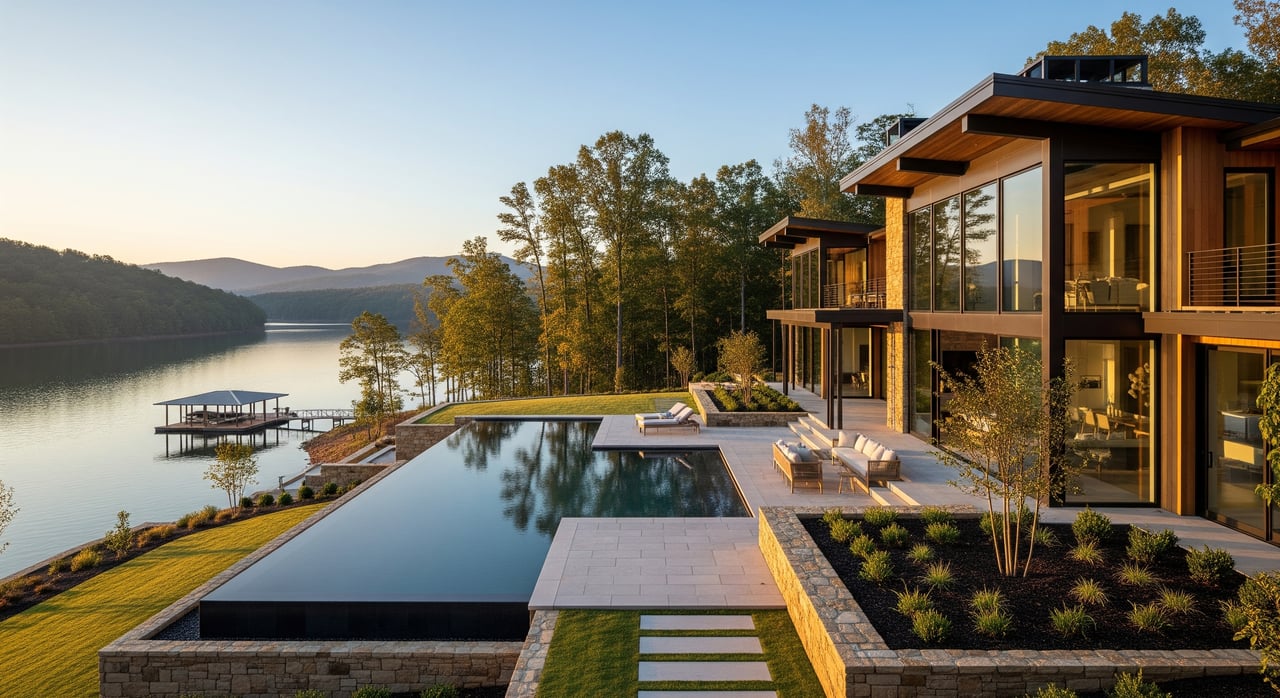
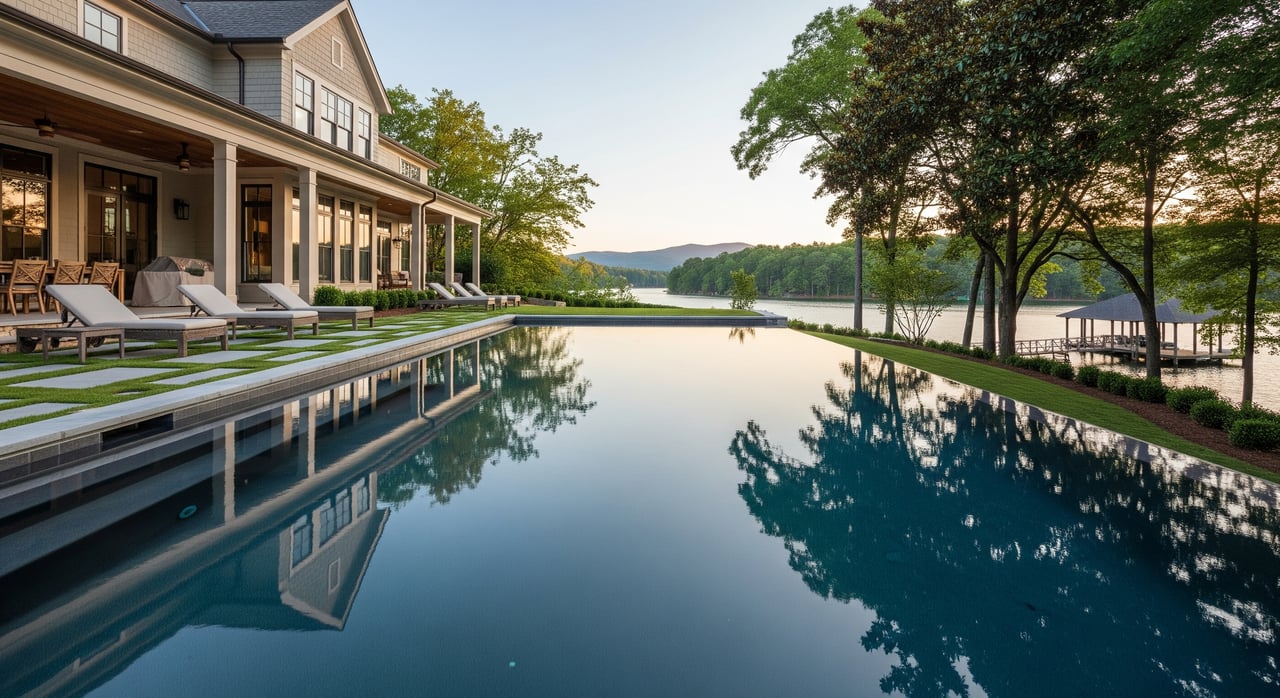
Lake Hartwell-adjacent neighborhoods are a category of their own. Even when they are close to downtown or campus, they function differently from a typical in-town neighborhood because buyers are paying for water access, views, dock potential, or a lake-oriented setting.
For everyday buyers, this category is often more of a stretch option than a starting point. Prices can rise quickly, and HOA structure varies widely from street to street. If lake access is high on your list, it can be worth exploring, but it is important to go in with realistic expectations on budget.
Comparing Established Clemson Neighborhoods
If you want a more traditional neighborhood feel, established streets may offer the best value match. These areas typically provide larger lots than newer subdivisions and a lighter HOA structure. They also tend to feel more rooted in the original fabric of Clemson.
Camelot: Classic In-Town Feel
Camelot is a good example of this established style. Recent and nearby listings show lots around 0.43 to 0.66 acres, with modest annual HOA costs described as low annual fees or similar light assessments. Recent sales and listings place homes broadly from the mid-$300,000s to the low-$500,000s, with larger or more updated homes reaching higher values.
From a lifestyle standpoint, Camelot stands out for its in-town setting. Listing descriptions reviewed in the research place it within a few miles of downtown Clemson, near Patrick Square’s retail area, and within a short drive of Clemson University. If you want more yard space and a less managed feel, Camelot is one of the clearest places to start.
Other Older In-Town Pockets
Beyond the better-known subdivision names, some older Clemson streets offer an even lighter-touch ownership setup. One example in the research, a home on Colleton Court inside the city limits, sits on 0.62 acres and shows a mandatory annual HOA fee of just $20. That kind of setup can appeal if you value a more traditional ownership experience without many added rules or recurring costs.
These pockets are not always as uniform as newer communities. One home may be fully updated while the next may need work. If you are shopping here, it helps to stay open-minded and compare the street, lot, and condition just as closely as the asking price.
Comparing Newer Clemson Neighborhoods
If your priority is lower exterior upkeep and a more consistent community feel, newer subdivisions deserve a close look. In Clemson, these neighborhoods usually come with smaller lots and more defined HOA expectations. They often fit buyers who want simplicity and fewer surprise repairs right after closing.
Patrick Square: Convenience and Amenities
Patrick Square is one of the clearest examples of newer single-family living in Clemson. The community describes itself as a 173-acre traditional neighborhood development located about 3 miles from Clemson University. Recent single-family listings reviewed in the research show lot sizes around 5,662 to 9,147 square feet.
The HOA is a major part of the ownership model here. Recent examples show dues around $222 per month, with services such as lawn care, street lighting, fiber or internet, and common-area maintenance. Pricing in the reviewed examples generally runs from the low $600,000s into the $700,000s and higher, so Patrick Square may be a fit if you value convenience and community structure more than lot size.
Kingswood Cottages: New Construction, Smaller Footprint
Kingswood Cottages offers another newer option within Clemson. The community page describes 37 lots and a low-maintenance format, with current plan pricing starting at $454,900. HOA dues are listed at $257 per month, and plan sizes range from about 1,556 to 2,773 square feet.
Reviewed listing examples show lot sizes around 6,969 to 7,840 square feet. That makes Kingswood Cottages a useful option if you want a newer home but do not need a large yard. For many everyday buyers, it sits in the conversation between affordability, newer construction, and ongoing monthly HOA cost.
The Grange: Clemson-Area Newer Build Option
The Grange is best understood as a Clemson-area new-build pocket near Hwy 123. While source pages may use a Central mailing address in some cases, the community is consistently marketed as being minutes from Clemson University and close to shopping and recreation tied to Clemson’s core. That location logic makes it relevant for buyers focused on Clemson access.
Current examples in the research show single-family pricing from the mid-$400,000s to the high-$600,000s, with HOA dues around $152 to $184 per month. Reviewed lot sizes range from about 0.28 to 0.36 acres. If you want a newer home with a modest lot and mid-range HOA structure, The Grange helps fill that middle tier.
Comparing Lake-Adjacent Streets
Lake-adjacent streets can be appealing because they blend Clemson convenience with Lake Hartwell lifestyle. The main thing to remember is that this is usually a premium category. Even when lot sizes are not dramatically larger, lake proximity can push values well above the broader citywide range.
Shorecrest: Lake Access With Clemson Proximity
Shorecrest shows how wide the price spread can be near the lake. The research includes a 0.34-acre home listed at $725,000 and described as directly across from Lake Hartwell, plus another 0.75-acre waterfront home with a voluntary $150 HOA and dock access. Another reviewed property on Shorecrest had no HOA dues shown in listing data and a Zestimate near $951,800.
That range matters for buyers. On one street, you may see differences in waterfront position, dock access, lot size, and HOA structure that change pricing quickly. If you want lake influence without leaving Clemson, Shorecrest is an important comparison point.
Hazelwood Drive: Higher-End Lakefront Example
Hazelwood Drive is a helpful example of how far lakefront pricing can rise. The reviewed home at 112 Hazelwood is a 0.48-acre lakefront property with dock access, an annual HOA structure noted in the listing, and a Redfin estimate around $1.45 million. It was also described as being on a quiet street near downtown Clemson.
For everyday buyers, Hazelwood is less of a baseline neighborhood and more of a reminder of the premium attached to direct lakefront living. If your budget is centered on a primary residence rather than a lake lifestyle purchase, this category may help define what you are and are not willing to pay extra for.
A Simple Framework for Everyday Buyers
When you compare Clemson neighborhoods, it helps to start with your daily priorities instead of starting with a map. The right area usually becomes clearer when you decide what matters most in everyday life.
If You Want Lower HOA Costs
Start with established streets like Camelot or older in-town pockets. These areas often offer larger lots and lighter HOA structures. They can be a strong fit if you want flexibility and a more traditional neighborhood setup.
If You Want Less Yard Work
Look first at Patrick Square, Kingswood Cottages, and communities like The Grange. These neighborhoods typically offer newer homes, smaller lots, and more clearly defined maintenance expectations. That can make ownership feel simpler, especially if you prefer move-in ready options.
If You Want Water Views or Dock Access
Focus on lake-adjacent streets such as Shorecrest or Hazelwood-type pockets. Just keep in mind that pricing and HOA structure can vary sharply. In Clemson, lake proximity can quickly move a home into a very different budget category.
If You Want Easier Daily Access
Pay close attention to how a neighborhood connects to U.S. 123, College Avenue, and S.C. 93. In Clemson, route logic matters because the university and Lake Hartwell limit growth and shape traffic patterns. A neighborhood that looks close on a map may function very differently in your daily routine.
How to Narrow Your Search in Clemson
If you are buying in Clemson, your smartest move is to compare neighborhoods by tradeoffs, not just by asking price. A home with a lower price may come with more updates, more yard work, or a less predictable block. A home with a higher HOA may actually reduce maintenance and simplify daily life.
That is why neighborhood-level guidance matters in a market like this. When you understand the difference between established in-town streets, newer subdivisions, and lake-adjacent pockets, you can search with more confidence and waste less time on homes that do not really fit your goals.
If you want help sorting through Clemson neighborhoods, pricing tiers, and day-to-day tradeoffs, reach out to the Thomas & Crain Team at Keller Williams Drive. You will get practical local guidance focused on helping you find the right fit for how you actually live.
FAQs
What type of Clemson neighborhood usually has the lowest HOA costs?
- Established in-town streets like Camelot and other older pockets usually have the lightest HOA structure, with some properties showing only modest annual fees.
Which newer Clemson neighborhoods are good to compare for low-maintenance living?
- Patrick Square, Kingswood Cottages, and The Grange are useful places to compare if you want newer systems, smaller lots, and more maintenance built into the ownership model.
How do lot sizes compare in Clemson single-family neighborhoods?
- Established neighborhoods often have larger lots, such as roughly 0.43 to 0.66 acres in Camelot, while newer subdivisions like Patrick Square and Kingswood Cottages tend to have smaller lots.
Are lake-adjacent Clemson neighborhoods usually more expensive?
- Yes. The reviewed examples in Shorecrest and Hazelwood show that lake proximity, water views, and dock access can push prices well above broader Clemson market benchmarks.
What should buyers watch for when comparing older Clemson neighborhoods?
- Pay attention to home condition, renovation differences, lot size, and how the street feels from property to property, since older areas can vary more than newer subdivisions.