If you want a home where coffee, dinner, public events, and a walkable Main Street are all part of your regular routine, downtown Seneca deserves a closer look. For many buyers, the appeal is not just about a house. It is about living near the places that make a town feel active, connected, and easy to enjoy. In this guide, you’ll get a practical look at what downtown Seneca offers, what kinds of homes you may find nearby, and how to decide if this part of town fits your lifestyle. Let’s dive in.
Why downtown Seneca stands out
Downtown Seneca plays a bigger role than many people expect from a small-city center. The City of Seneca’s comprehensive plan describes downtown as the heart of the city and its primary business, cultural, and tourism hub. That helps explain why so much local activity is concentrated around Main Street and nearby blocks.
A big part of that identity is Ram Cat Alley, the western portion of Main Street. Today, it functions as a pedestrian-focused district with shops, restaurants, and public gathering space. City planning documents also show a clear long-term goal to make downtown more walkable, more park-like, and more attractive for both businesses and residents.
That local character is not accidental. Seneca’s Downtown Overlay District includes rules that limit many chain-style and formula retail uses in the core. In practical terms, that means downtown leans toward local-scale businesses instead of a chain-heavy shopping environment.
Shops and dining in downtown Seneca
One of the strongest points of downtown living is convenience with personality. Visit Oconee listings show a compact mix of places for coffee, breakfast, lunch, casual meals, and shopping, all within the downtown area. For many residents, that creates the kind of errand-and-meal day you can enjoy without leaving the core.
Coffee and casual stops
If your ideal morning starts with a coffee run, downtown has a few familiar local names. Blackwater Roasters and Brews on the Alley offers coffee and upstairs seating, which can be useful if you want to work remotely for a bit or meet up with friends. You’ll also find spots like 313 Cafe and Cardamom Bakeshop for breakfast, lunch, pastries, and cakes.
Dining and local shopping
For casual meals, downtown listings include places like El Agave, 3 Generaciones, and Eggs Up Grill. On the shopping side, stores such as Dear Rosie Boutique and Drizzle on the Alley add to the local-business feel. Together, that mix gives downtown a steady everyday rhythm instead of feeling like a district that only comes alive on special occasions.
Events and culture shape daily life
For some buyers, the biggest draw of downtown Seneca is not the shopping or dining. It is the fact that the area has recurring events, public spaces, and arts destinations that add life beyond business hours. That can make a real difference if you want your neighborhood to feel active and connected.
Ram Cat Alley events
Jazz on the Alley remains one of the best-known downtown events. City materials and local tourism information identify it as part of downtown’s regular annual programming, along with Cruzin on Main Street. During Jazz on the Alley evenings, Ram Cat Alley and North Townville Street close to vehicles, and parking shifts to side streets or Norton Thompson Park.
If you like the idea of living near community events, that is a meaningful part of the downtown experience. It also means you should expect occasional traffic and parking adjustments during event nights.
Public art and museums
Downtown Seneca also has a visible arts and culture presence. Visit Oconee highlights the Ram Cat Alley CATS mural series, with 12 murals located at Norton Thompson Park. The city also identifies the Bertha Lee Strickland Cultural Museum and the Lunney Museum as downtown cultural anchors.
This matters because it gives the area more than a retail identity. You are not just near stores and restaurants. You are also near places and features that reinforce downtown’s historic and cultural character.
Parks, library access, and practical convenience
A downtown lifestyle works best when it offers more than entertainment. In Seneca, public spaces and civic amenities add another layer of everyday usefulness.
Norton Thompson Park is one of the key outdoor spaces tied to downtown activity. The city also announced plans for Storybook Trail Park next to the Seneca Branch of the Oconee County Public Library on East South 2nd Street. That kind of investment supports the city’s broader goal of making downtown more walkable and more livable.
For transportation backup, Seneca Transit moved to an on-demand system in August 2025. It operates Monday through Saturday from 6:00 a.m. to 6:00 p.m. within the city and up to one mile beyond city limits. The city states that riders need to schedule 48 hours in advance, with free rides for essential trips and a $5 one-way fare for work commutes.
What homes near downtown Seneca look like
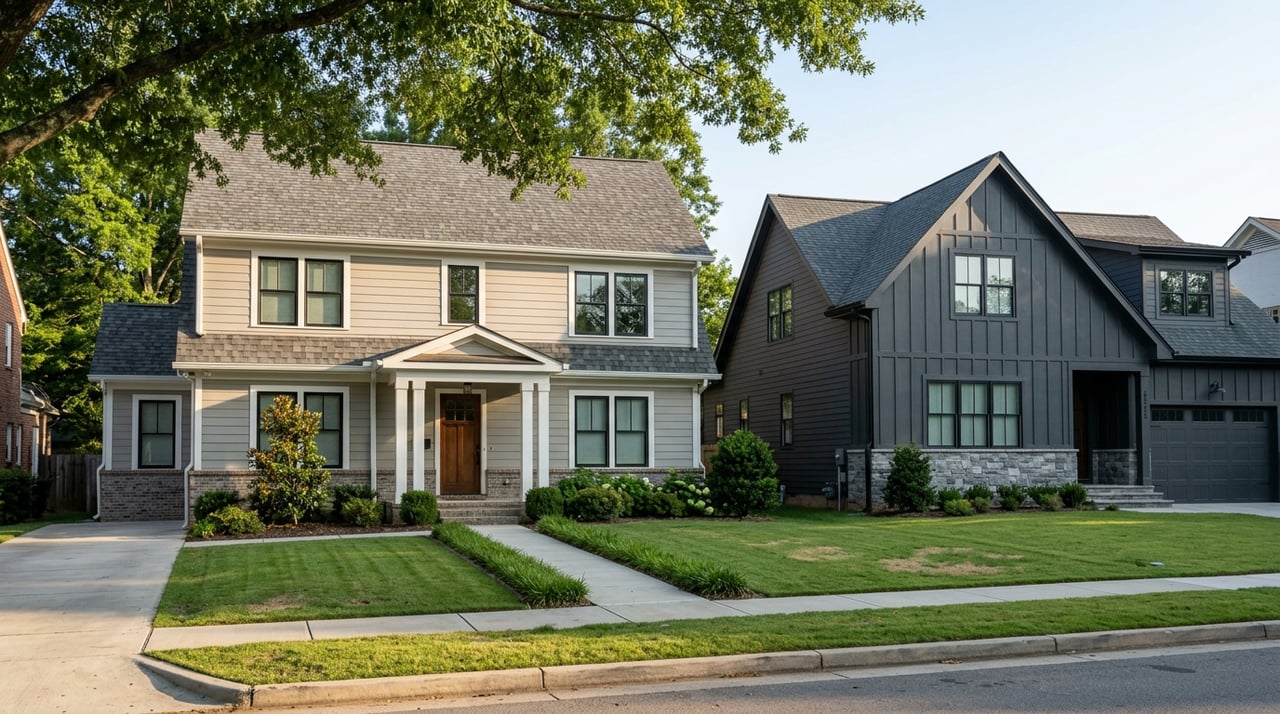
If you start browsing homes near Main Street, you will likely notice that the housing stock feels different from newer subdivision areas. The city’s comprehensive plan says most housing in Seneca was built before 1980, with the largest number of units built in the 1970s. Newer housing becomes more common around Lake Keowee, Lake Hartwell, and areas farther from the core.
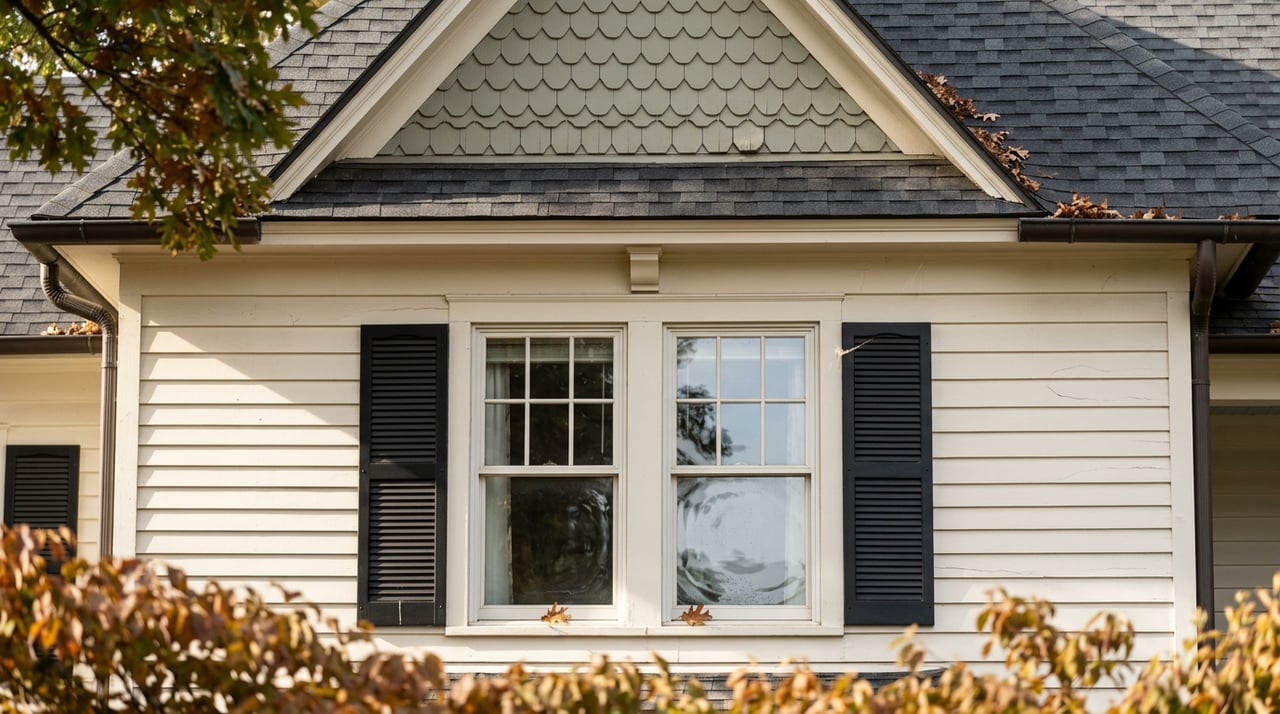
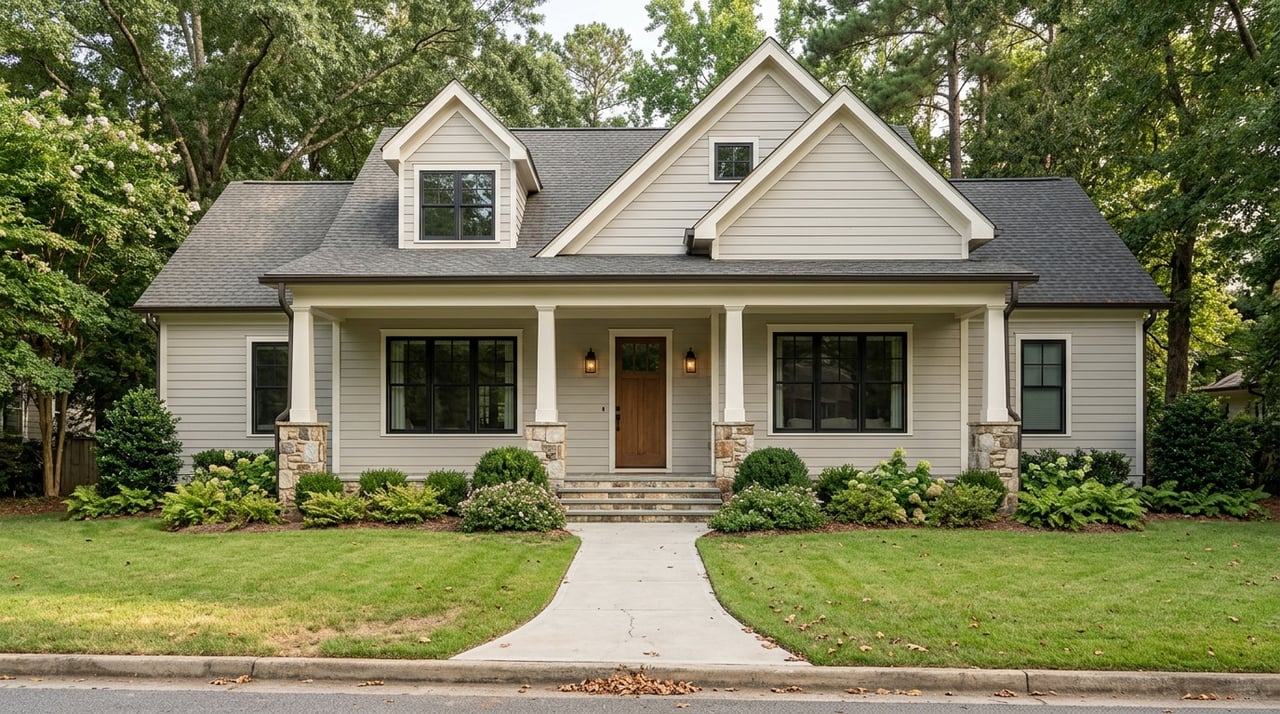
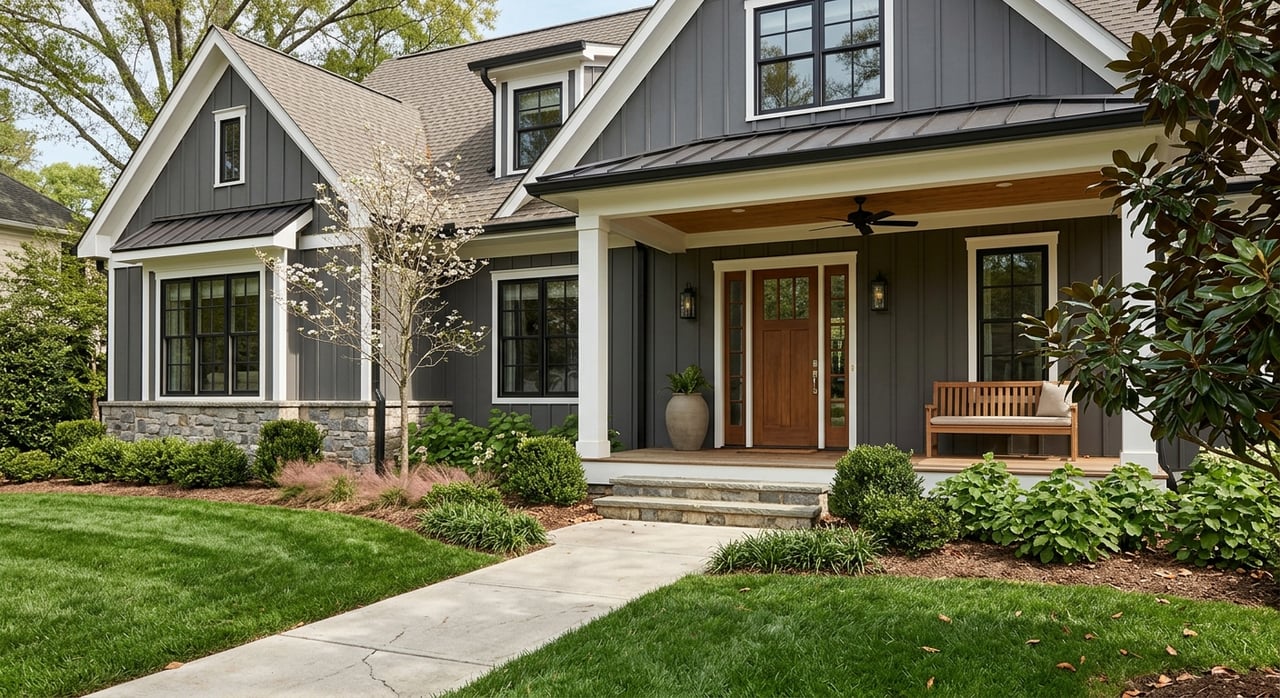
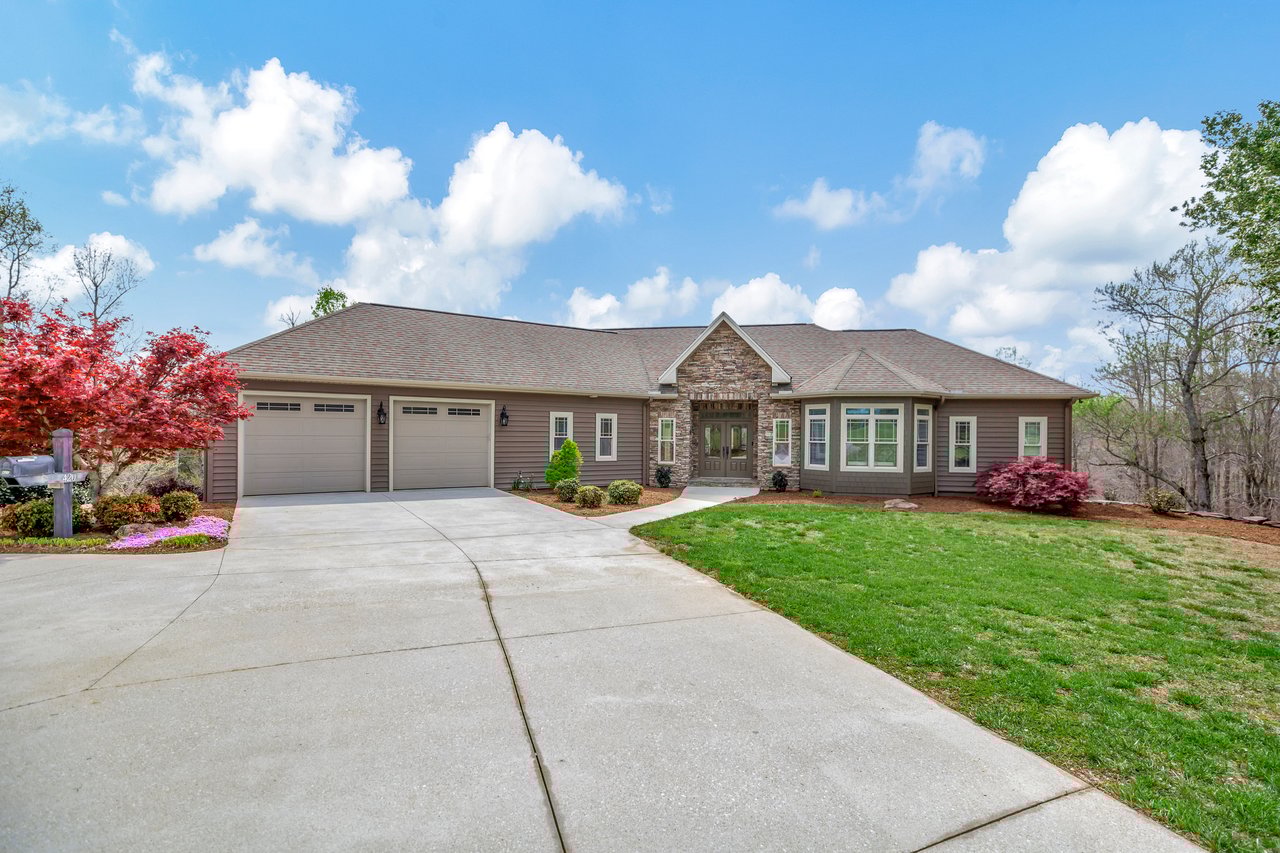
Near downtown, you are more likely to see older detached homes, bungalow-era houses, some multifamily options, and mixed-use buildings in or near the downtown overlay. That creates a more varied streetscape than you might find in a neighborhood made up of one builder and one era.
Architectural character near Main Street
The city’s design guidelines identify several representative residential styles in Seneca, including:
- Queen Anne
- American Foursquare
- Craftsman/Bungalow
- Ranch
- Tudor Revival
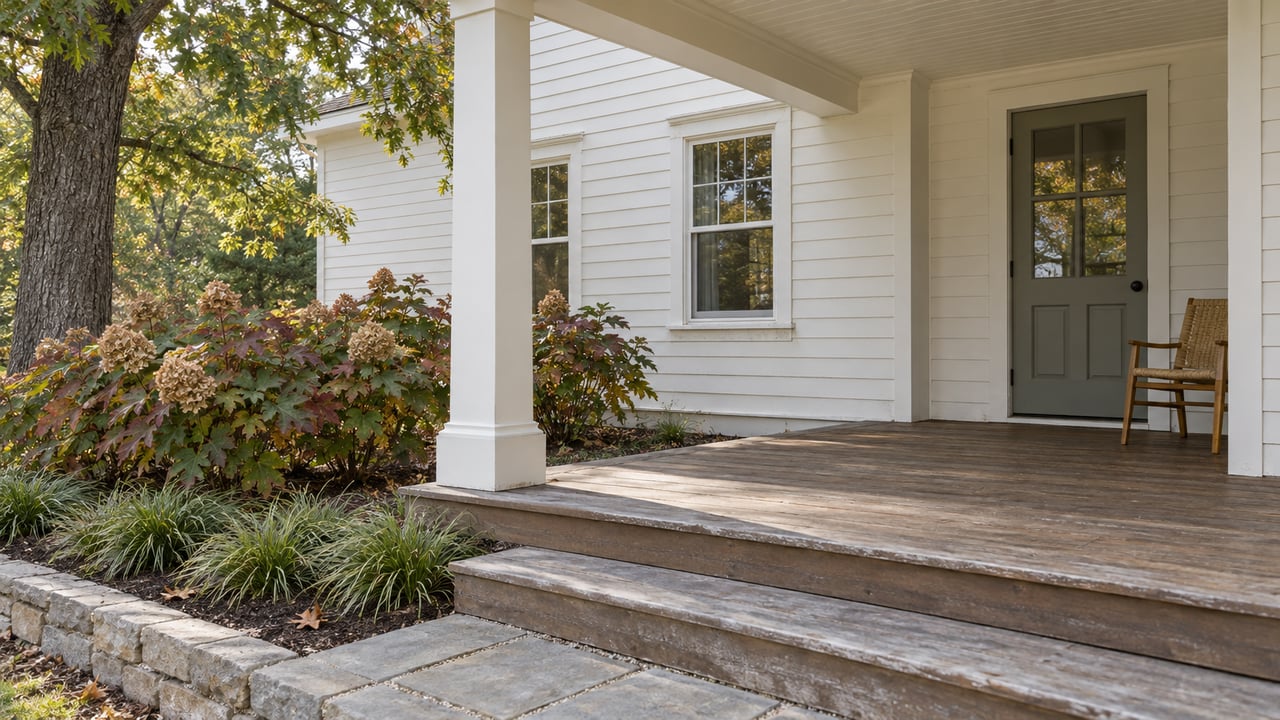
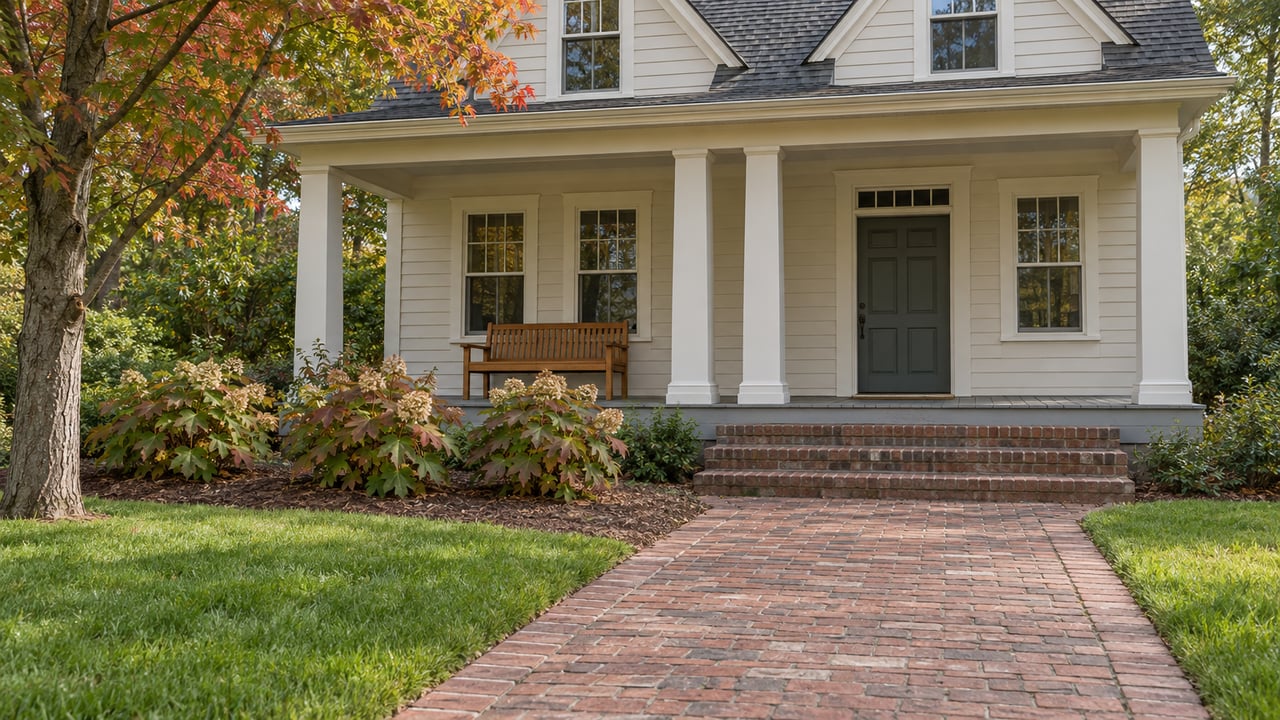
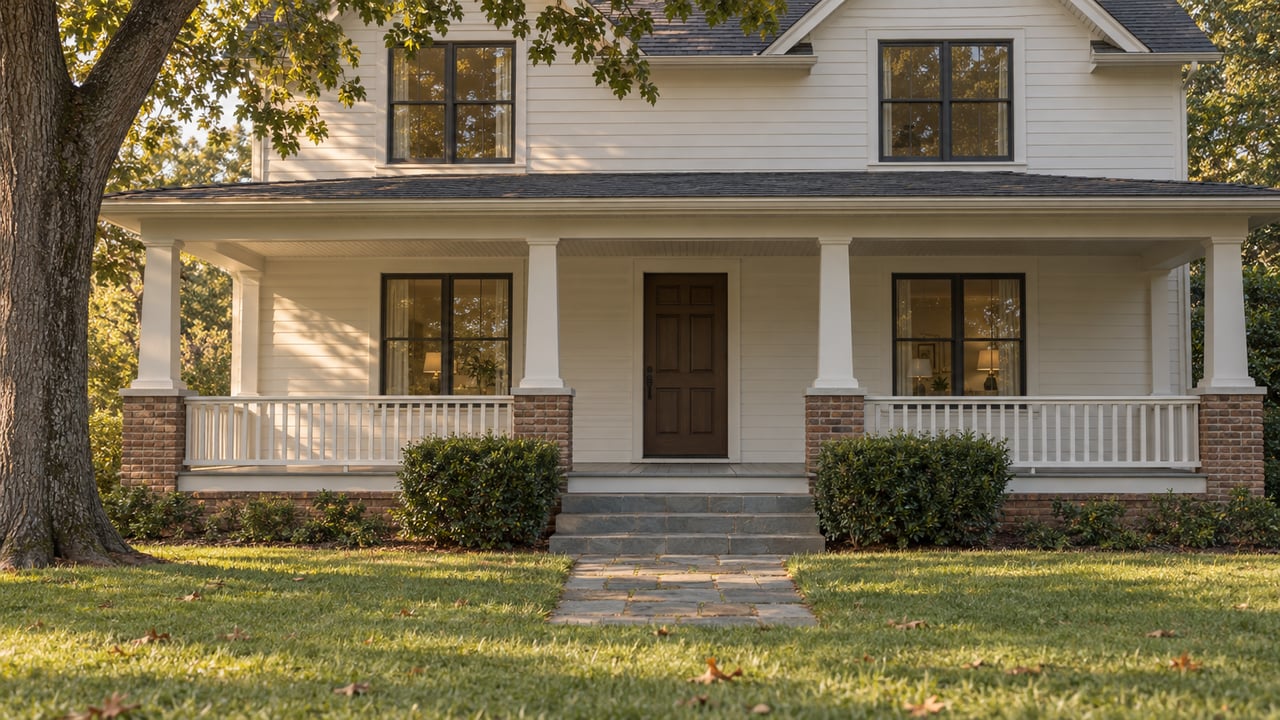
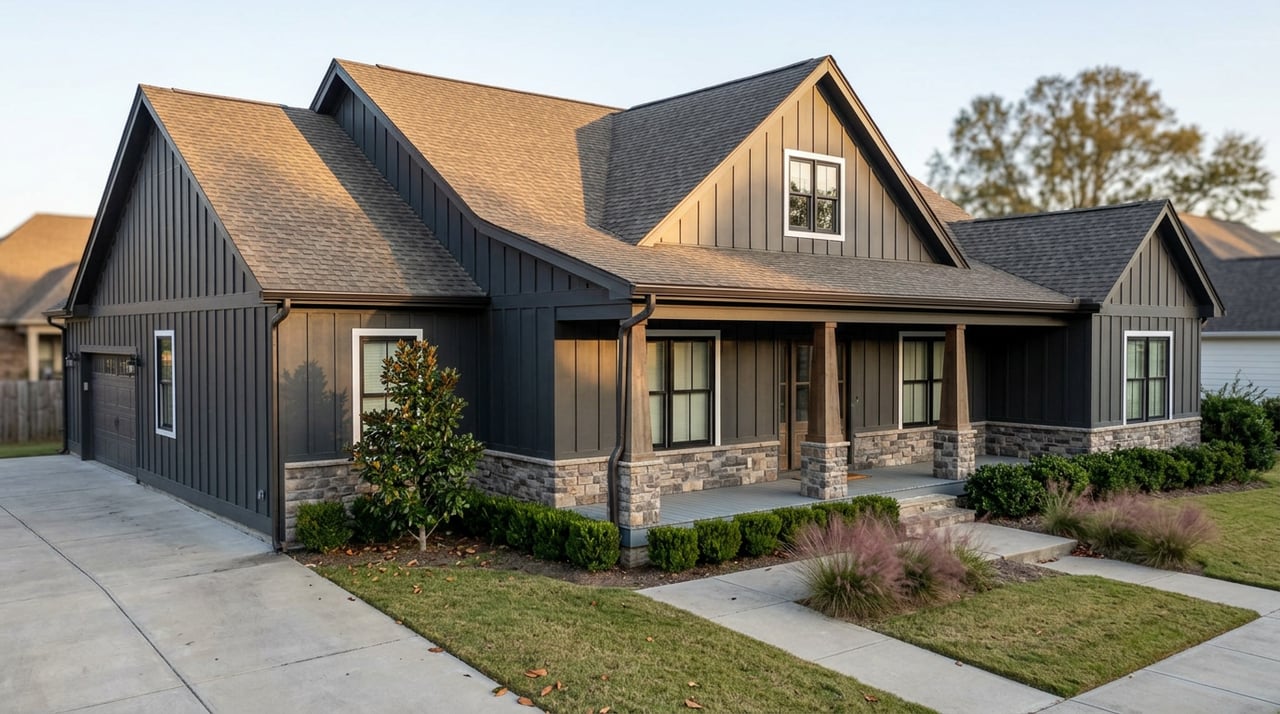
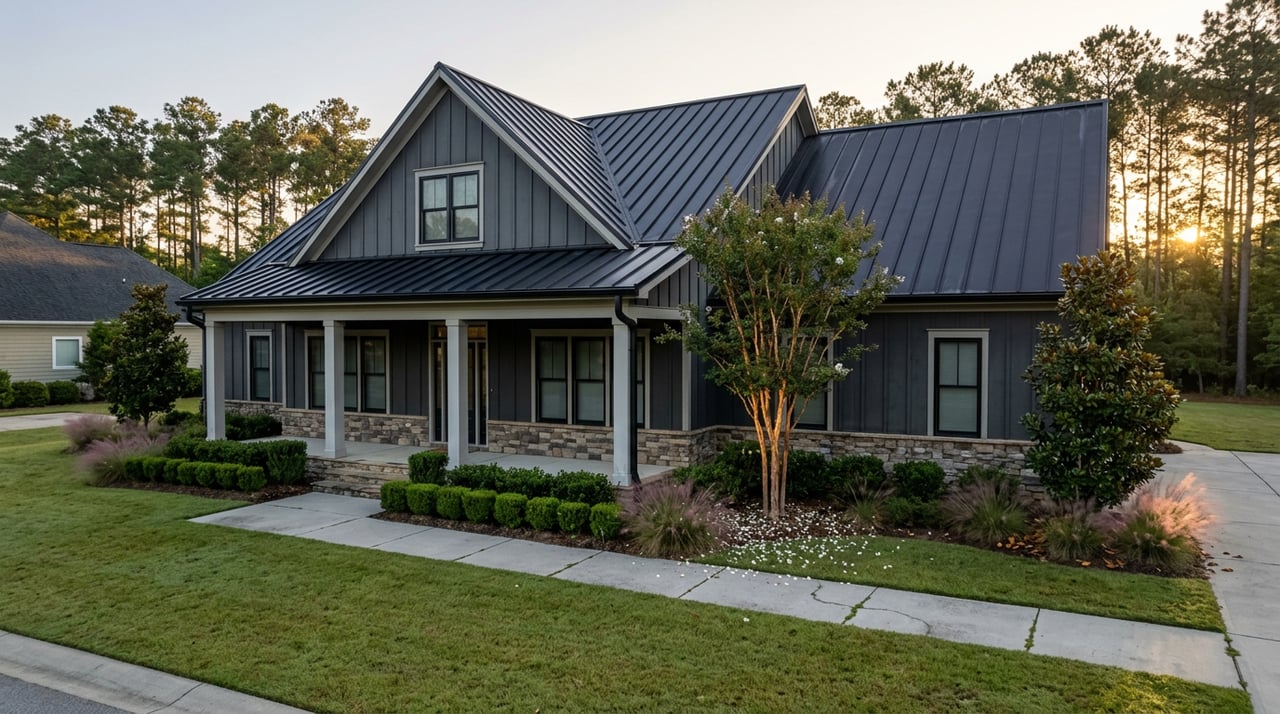
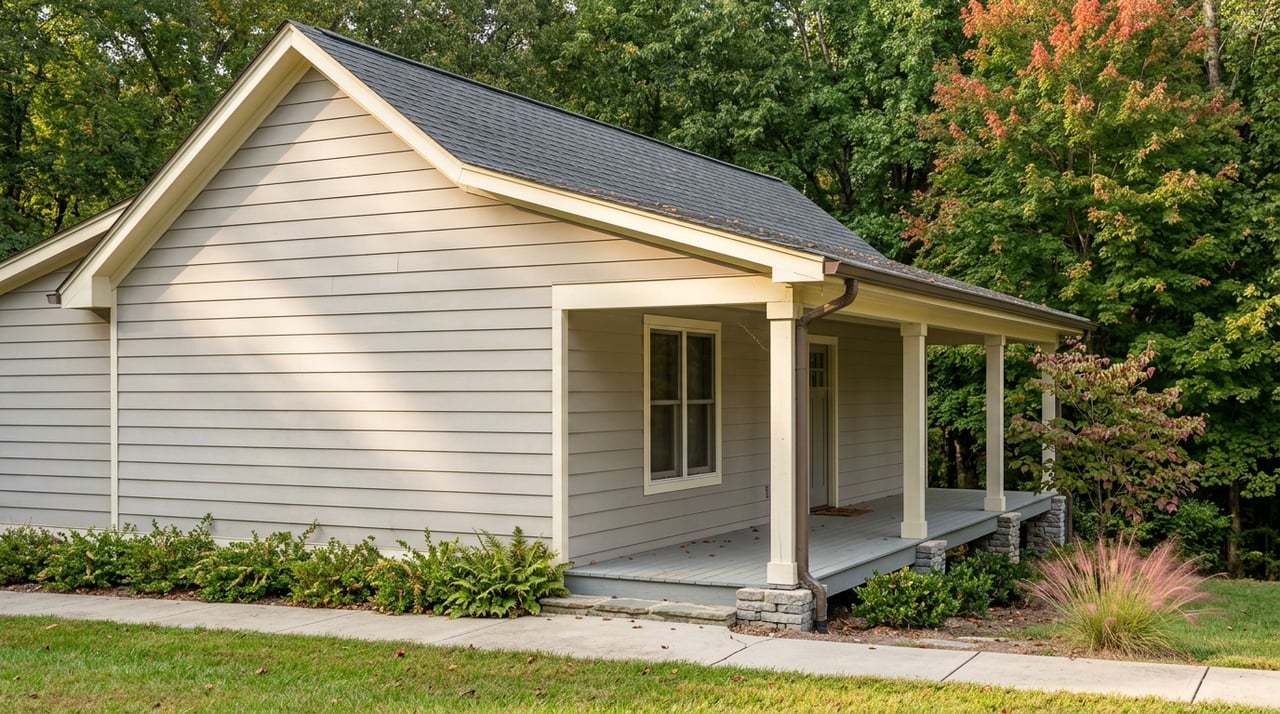
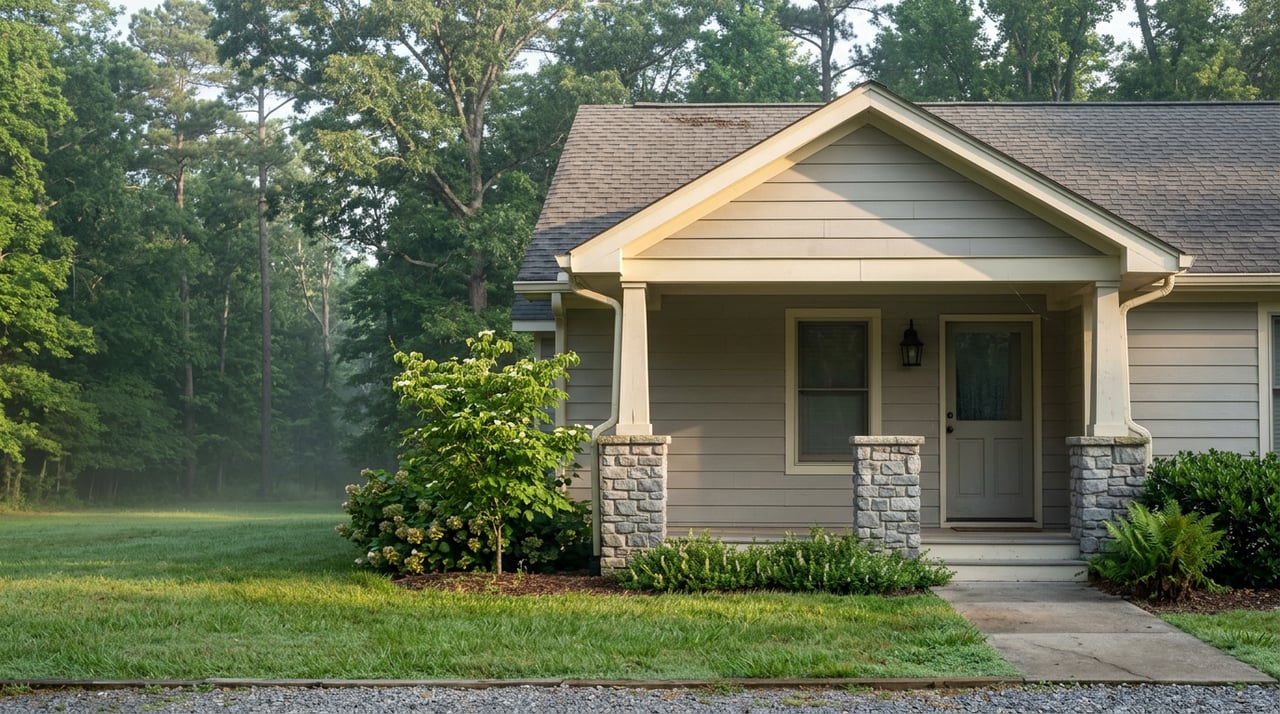
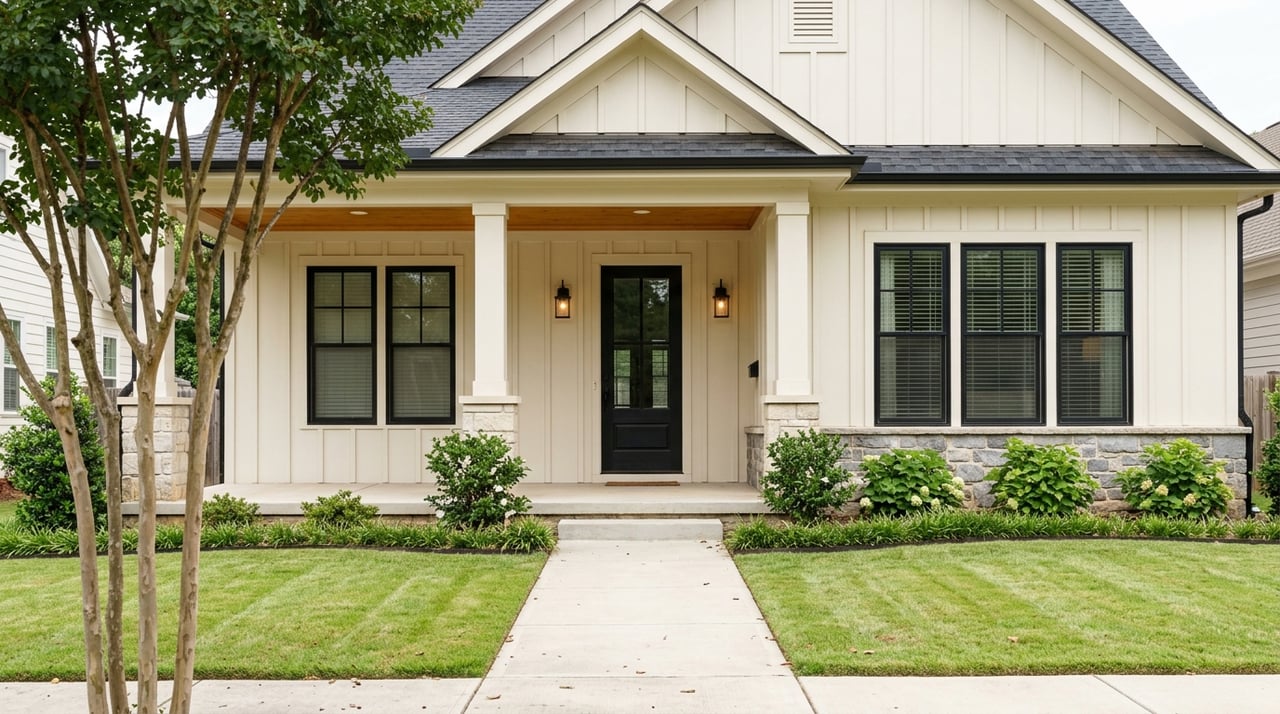
The same guidelines emphasize features like street-facing entrances, porches, and consistent setbacks. That helps explain why many near-downtown homes have the porch-forward, established character that buyers often associate with older in-town neighborhoods.
The Lunney Museum offers a clear local example of that historic feel. The city describes it as a 1909 Queen Anne style California bungalow with an Arts and Crafts interior. It is not a home for sale, of course, but it gives you a useful reference point for the architecture that helps shape the area’s identity.
Housing types and ownership mix
Downtown Seneca is not defined by one housing type. According to the city’s planning documents, zoning around the core includes single-family, general residential, multifamily residential, mobile-home-park residential, and residential-office transition areas. The downtown overlay also allows short-term rental in commercial and multifamily zoning.
The city’s housing plan notes a relatively higher share of multifamily units and second homes than some nearby areas. It also states that the short-term-rental ordinance is intended to discourage mass investor buying. Put together, those details point to a mixed housing environment with owner-occupied homes, rentals, and some mixed-use properties rather than a single pattern.
Who downtown Seneca may fit best
Downtown living is highly personal. Some buyers love being close to activity, older homes, and local businesses. Others prefer newer construction, larger lots, or a more subdivision-style setting.
Downtown Seneca may be a strong fit if you want:
- Local dining and coffee shops close by
- A walkable historic core with public gathering spaces
- Public art, museums, and recurring community events
- Older homes with established character
- A location that feels connected to the city’s civic and cultural life
It may be less aligned with your goals if you want a chain-focused retail district right in the center of town. Based on city zoning policy, downtown Seneca is intentionally designed to favor local-scale businesses over formula retail.
Location and regional access
Living near downtown Seneca does not mean giving up regional convenience. The city’s comprehensive plan states that Clemson is about seven miles from Seneca and I-85 is about 14 miles away. For many buyers, that makes Seneca a practical home base for work, campus access, and travel around the broader Western Upstate.
That combination is part of downtown Seneca’s appeal. You get a local, small-city core with shops, dining, events, and historic character, while still staying connected to the wider region.
What to watch when buying near downtown
If you are seriously considering a home near Main Street, it helps to look beyond the photos and think about day-to-day fit. In an older downtown-adjacent area, two homes with similar square footage can feel very different based on lot layout, updates, street activity, and proximity to event spaces.
As you compare properties, pay attention to:
- How close the home is to Ram Cat Alley and event areas
- Whether the home is in a primarily single-family block or a more mixed-use setting
- The age and style of the property
- Porch, entry, and setback features that affect curb appeal and usability
- Parking setup and access during busier downtown event times
These details can have a big impact on how the home feels once you are living there, not just how it looks during a showing.
If you want help finding the right fit near downtown Seneca, the Thomas & Crain Team at Keller Williams Drive can help you compare neighborhoods, property types, and nearby lifestyle options with clear local insight.
FAQs
What is downtown Seneca known for?
- Downtown Seneca is known as the city’s primary business, cultural, and tourism hub, with Ram Cat Alley, local shops, restaurants, public art, museums, and recurring events like Jazz on the Alley.
What kinds of homes are near downtown Seneca?
- Homes near downtown Seneca often include older detached houses, bungalow-era homes, some multifamily properties, and mixed-use buildings, with many homes reflecting established architectural styles and porch-forward design.
Does downtown Seneca have chain restaurants and major retail stores?
- Downtown Seneca’s overlay district limits many chain-style and formula retail uses, so the core is generally oriented toward local-scale businesses rather than national chains.
Is downtown Seneca walkable for daily activities?
- Downtown Seneca offers a compact mix of coffee shops, dining, shopping, parks, and cultural stops that can support a walkable lifestyle for many day-to-day outings.
Is downtown Seneca a good location for commuting?
- The City of Seneca states that Clemson is about seven miles away and I-85 is about 14 miles away, which can make downtown Seneca a practical regional base for many buyers.