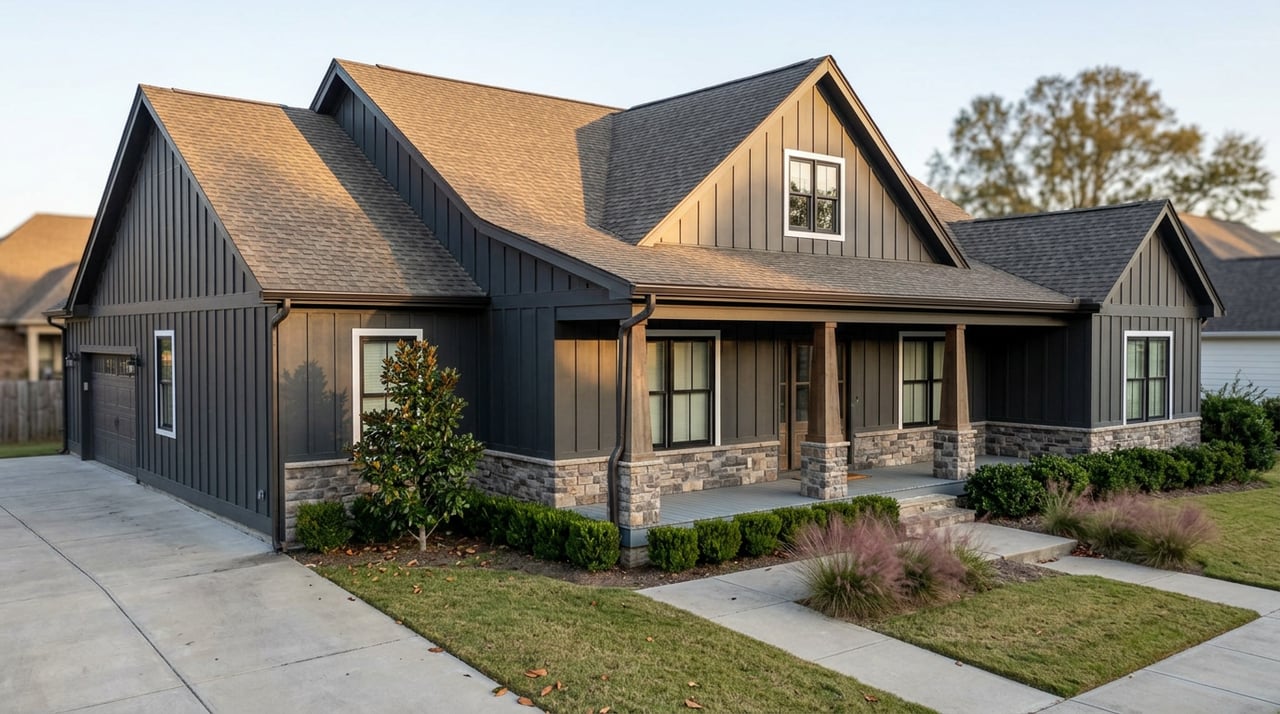
If you think putting a sign in the yard and waiting for offers is enough in today’s market, Seneca’s numbers tell a different story. With homes in Seneca selling at a median price of $269,111, taking about 99 days on market, and closing at roughly 94.0% of list price, sellers often need more than a basic list-and-wait approach. The good news is that a great listing plan can give you a clearer path from prep to closing. Here’s what you should expect before you trust an agent with your sale.
Why a listing plan matters in Seneca
A strong listing plan starts with the reality of the local market. Seneca and Oconee County are not moving at the exact same pace, and that difference matters when you price and launch your home. Recent data shows Oconee County at a median sale price of $356,504, 59 days on market, and a 97.7% sale-to-list ratio, which is tighter than Seneca overall.
That gap is why a serious seller should expect neighborhood-specific advice, not broad county averages. Your home’s price range, condition, and location all shape how buyers respond. In a market with more inventory across the Western Upstate and about 4.4 months of single-family supply, a polished plan matters from day one.
What a great listing plan should include
Pricing strategy with real local context
A great listing plan should explain how your price is chosen, not just name a number. Your agent should show you recent Seneca comparable sales, explain how your home stacks up against active competition, and talk through how current market time may affect your strategy.
That matters because pricing too high can cost you early momentum. In Seneca, homes have been selling below list on average, and the first days on market carry extra weight. A thoughtful launch price should be based on data, not hope.
A review plan if traffic is slow
Pricing is not something you set and forget. You should expect your listing plan to include a timeline for reviewing showings, inquiries, and feedback. If activity is weak, your agent should already have a process for discussing pricing or marketing adjustments.
This is especially important in a market where homes can sit for weeks before the right buyer appears. A strong agent will not wait too long to react. They will watch the market and help you make smart, timely decisions.
Prep guidance before going live
Before your home hits the market, your listing plan should include a clear prep checklist. That usually means decluttering, depersonalizing, deep cleaning, making minor repairs, and getting key rooms ready for photos and showings.
This is not just about making the home look nice. It helps buyers picture the space more clearly and can improve how your listing performs online and in person. Research on staging found that 83% of buyers’ agents said staging made it easier for buyers to visualize a property as a future home.
Staging focused on the rooms that count
A good plan should also identify which spaces deserve the most attention. According to recent staging research, the living room, primary bedroom, and dining room are among the most commonly staged spaces. That means your prep plan should not feel random.
Instead, your agent should help you focus effort where buyers are most likely to notice it. For many Seneca sellers, that means simplifying furniture layouts, brightening surfaces, and making sure high-traffic spaces feel clean and open.
Marketing should be more than photos
Professional visuals are essential
Most buyers start their home search online, so your listing plan should treat visuals as a priority. Research shows that 52% of buyers found the home they purchased online, and 81% rated listing photos as the most useful feature during that search.
That means you should expect professional photography, not rushed phone pictures. A strong plan should also address image order, photo quality, and whether video or virtual tour content will be included.
Distribution should be clearly explained
A great listing plan should also spell out where your home will appear once it goes live. Your agent should be able to explain MLS exposure, brokerage website placement, portal syndication, and social promotion in plain English.
Just as important, they should explain what buyers will and will not see in the listing details. If concessions are part of your strategy, or if you have questions about how buyer representation works today, a good agent should walk you through that clearly and early.
Higher-end homes need a tailored approach
If your property is in a higher price range, your listing plan should reflect that. Western Upstate MLS data shows strong pending-sales growth in the $750,001 to $1,000,000 range, while homes above $1,000,001 have had the longest days on market.
For those sellers, presentation and pricing discipline become even more important. A broader prep window, more detailed visuals, and a more selective marketing approach may all be part of a stronger launch.
Your paperwork should start early
South Carolina disclosures are a key step
In South Carolina, the Residential Property Condition Disclosure Statement is a core part of the listing process. The form must be delivered before the contract is signed unless the contract says otherwise, and sellers are responsible for completing it truthfully and fully.
That is why a strong listing plan should not wait until the last minute to gather paperwork. Early preparation can help you avoid delays once buyers start asking questions.
Expect more than a simple property form
The disclosure form covers much more than cosmetic issues. It asks about items such as water supply, water quality, sewage disposal, roof leaks, structural repairs, mechanical systems, easements, liens, legal actions, hazardous materials, and whether the property is subject to HOA rules or other covenants.
If your home has HOA documents, CCRs, repair records, well information, septic details, or easement paperwork, your agent should help you identify those items early. A complete listing packet supports smoother buyer review and helps reduce surprises later.
Some sales may be exempt
Not every transfer follows the same disclosure rules. South Carolina law provides exemptions for some situations, including certain estate transfers, court-ordered sales, some family transfers, public auction sales, and the first sale of a never-inhabited dwelling.
A strong listing plan should flag that upfront if your property falls into one of those categories. That kind of clarity helps you understand your responsibilities from the beginning.
Communication should never feel vague
You should know the update schedule
One of the biggest signs of a great listing plan is clear communication. You should know how often you will hear from your agent, what kind of updates to expect, and how quickly showing feedback will be shared.
That matters because market response can shift quickly after launch. Personal calls, texts, and fast updates are valuable during active listing periods, especially when new feedback or pricing questions come in.
The timeline should be visible before launch
A practical listing plan should include a simple timeline you can follow. That may include:
- a pre-list prep period
- photography and media scheduling
- launch-day listing distribution
- a 24- to 48-hour traffic check
- weekly review of showings, inquiries, and feedback
- a trigger point for pricing or marketing changes
When an agent can map this out before your home goes live, you are less likely to feel unsure about what happens next. It also gives you a better way to measure whether the plan is working.
How to judge a listing plan before you sign
Not all listing presentations are equally useful. Some sound polished but stay vague on the details that actually affect your result. In Seneca, where timing and pricing require care, the right questions can tell you a lot.
Before you commit, ask to see the pieces of the process in writing. A strong agent should be ready to walk you through:
- the pricing rationale
- the prep and staging checklist
- the photography and video plan
- the listing distribution strategy
- the communication cadence
- the review points for price or marketing changes
That kind of structure is often what separates a true listing system from a basic service package. If the plan feels specific, measurable, and tailored to your property, you are probably on the right track.
What this means for Seneca sellers
A great listing plan should help you feel informed, prepared, and confident before your home ever hits the market. In Seneca, where the pace can be slower and sale-to-list ratios leave less room for guesswork, the best results usually come from careful pricing, strong presentation, complete paperwork, and steady communication.
That is exactly where local experience makes a difference. When you work with a team that understands Seneca, Oconee County, Lake Keowee, and the broader Western Upstate, you are better positioned to launch with a plan that fits your property and your goals.
If you’re thinking about selling and want a clear, local strategy from the start, connect with the Thomas & Crain Team at Keller Williams Drive to request a free home valuation.
FAQs
What should a Seneca listing plan include before a home goes on the market?
- A strong Seneca listing plan should include pricing strategy, a prep and staging checklist, professional photo planning, listing distribution details, disclosure preparation, and a clear communication timeline.
How should a Seneca agent price a home for sale?
- A Seneca agent should use recent local comparable sales, review current competing listings, explain the pricing logic clearly, and set review points in case showings or buyer interest are slower than expected.
Why do sellers in Seneca need professional photos and video?
- Buyers often begin their search online, and listing photos are one of the most useful features they rely on, so strong visuals can improve first impressions and support better early traffic.
What disclosures should South Carolina sellers expect when listing a home?
- South Carolina sellers should expect to complete a Residential Property Condition Disclosure Statement that covers topics such as water, sewage, roof issues, structural repairs, systems, easements, liens, hazardous materials, and HOA or covenant status.
How often should a listing agent update a seller in Seneca?
- A good listing agent should set expectations upfront for regular updates, including showing feedback, buyer interest, launch performance, and weekly reviews of pricing or marketing strategy.
What makes a listing plan stand out in the Seneca market?
- In Seneca, the strongest listing plans are specific, data-backed, easy to measure, and tailored to the property rather than relying on a generic list-it-and-wait approach.