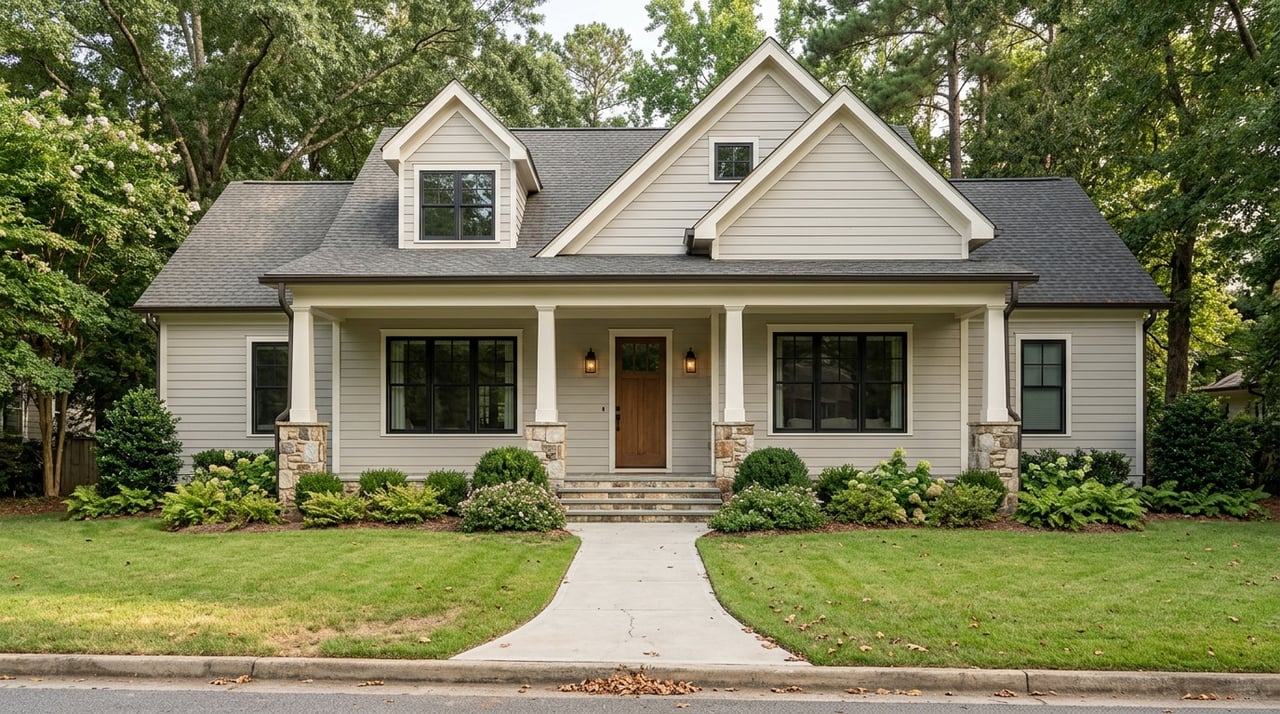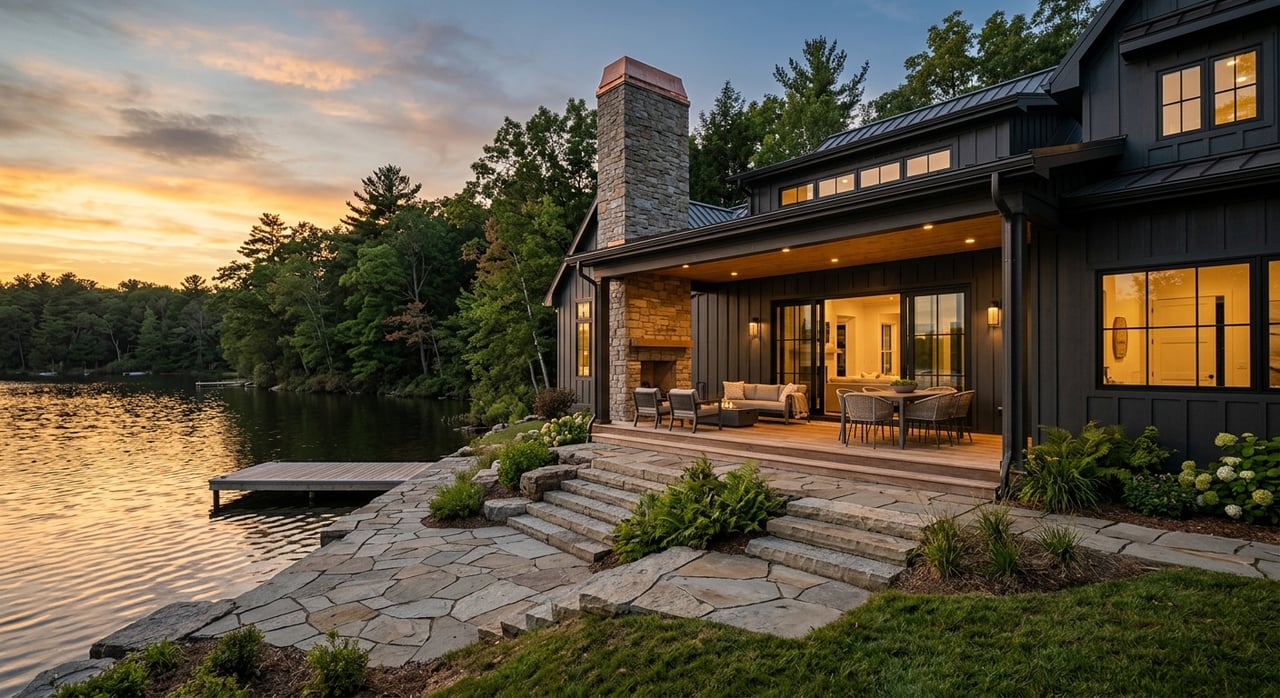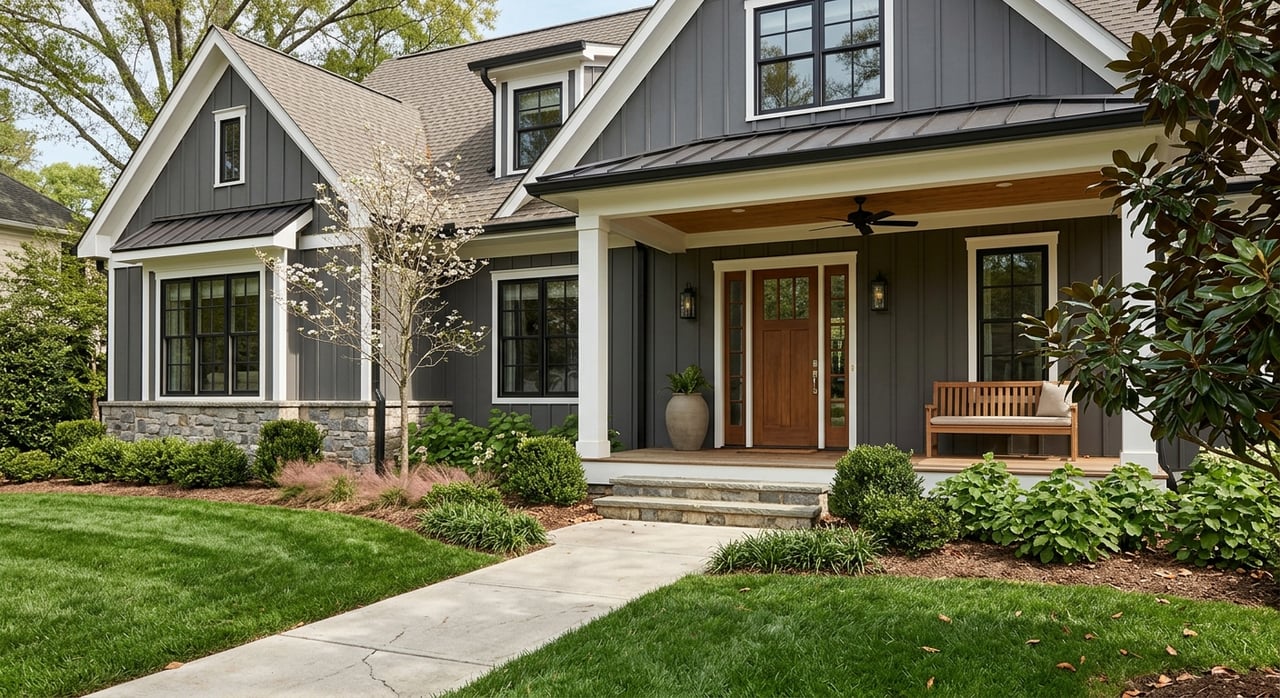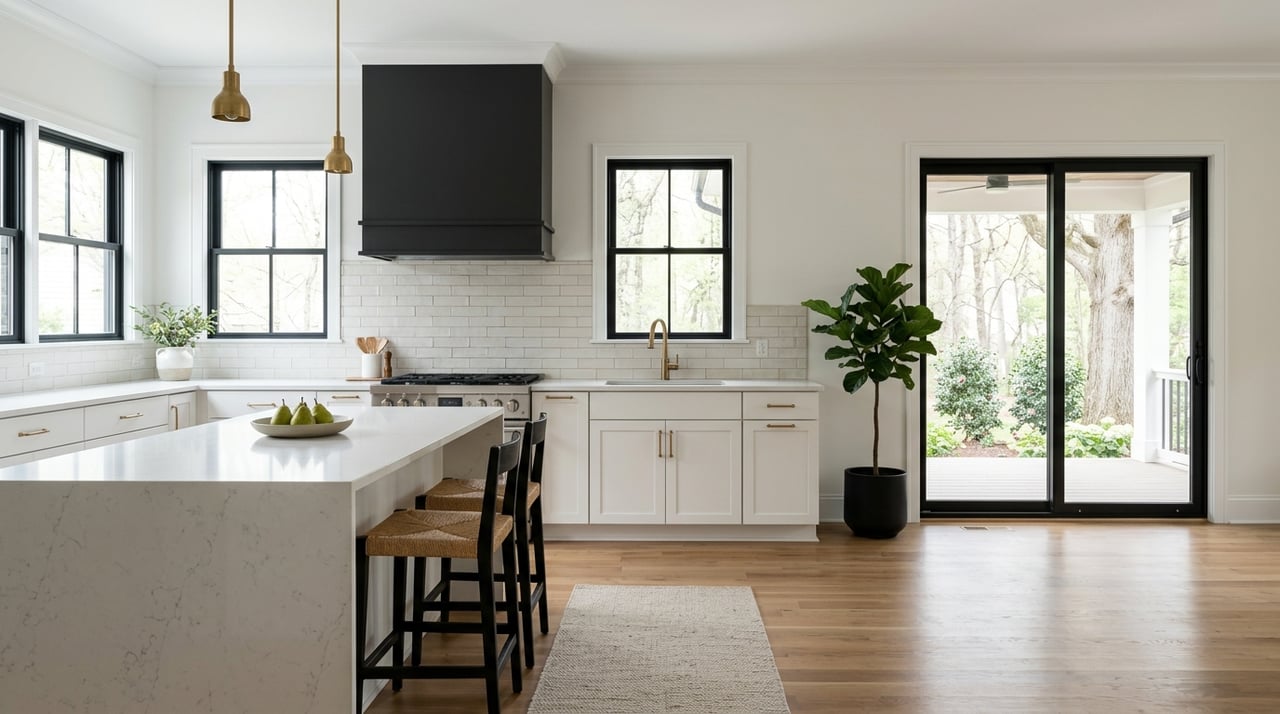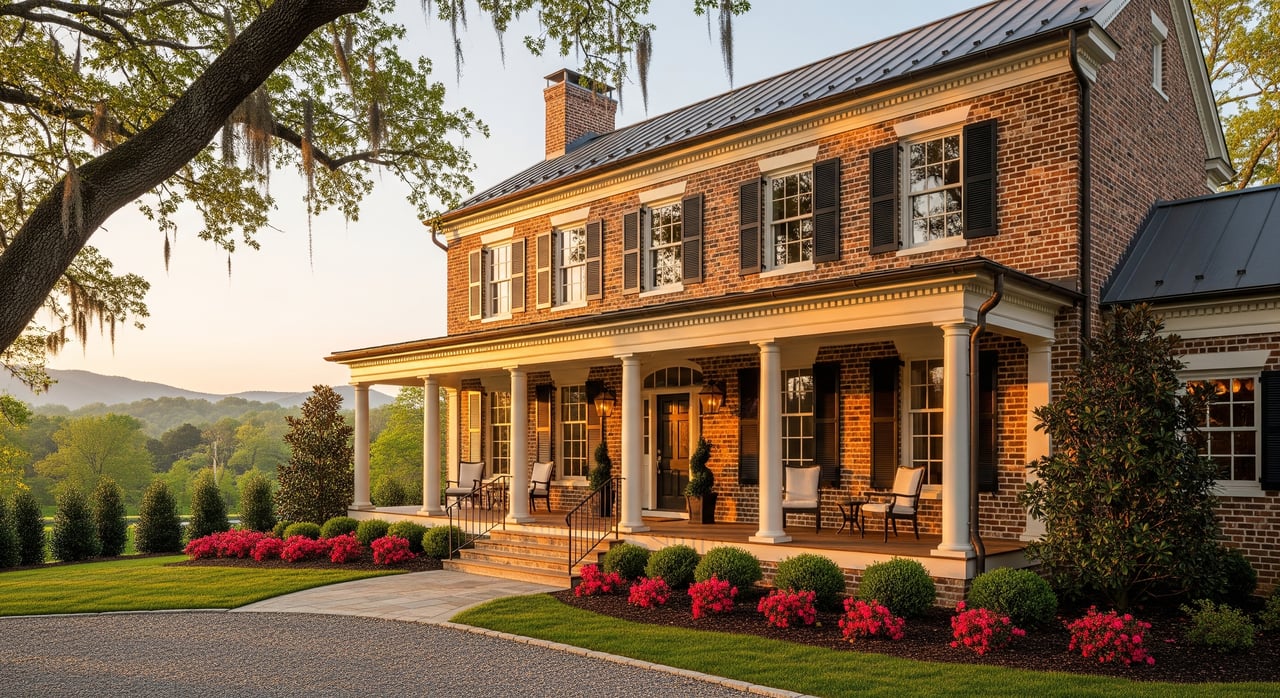
Scroll through short-term rental listings in Clemson on any week with a home football game and you'll see the same pitch over and over: walk to Memorial Stadium, sleeps eight, book early for kickoff. It's an easy story to believe. A university town with a stadium that fills to capacity every fall Saturday looks like a rental property that pays for itself one weekend at a time.
It doesn't work that way inside the city limits, and the reason is written into Clemson's own municipal code rather than buried in a market report. The city caps short-term rentals at 25 days per year, per registered property. That single number reshapes the entire investment case for anyone buying in Clemson with visions of a game-day Airbnb, and it's the detail that rarely shows up in the listing photos.
The instinct that gets new investors in trouble
The appeal is obvious enough. Clemson draws crowds for football weekends, spring commencement, and family weekend, and vacation rental sites market heavily around those dates. A furnished three-bedroom near campus can command a premium rate for a two-night stay when Death Valley is full.
What the marketing doesn't mention is that Clemson's short-term rental ordinance was written specifically with those events in mind, and not to encourage them. The city's own description of the rule notes that it exists to manage rentals during major university events like graduations and football games, not to open the door to a full-time vacation rental business. A property owner gets 25 rental days a year to work with, total, across every event on the calendar. Spend those days on the fall slate of home games and there's little room left for graduation weekend or family weekend without going over the limit.
What the permit process actually requires
The 25-day cap is the headline, but it isn't the only friction point. To operate a short-term rental in Clemson at all, an owner needs a special exception permit through the city's zoning process and a business license, and must collect and remit a 3 percent local accommodations tax on top of state and county lodging taxes.
There's a second requirement that catches a lot of out-of-area buyers off guard: the city won't issue or renew a rental permit to an owner who doesn't live within, or maintain an office within, 50 miles of Clemson, unless that owner names a "Person in Charge" who does. That designated contact has to be reachable and able to act as the owner's agent for the property. For an investor buying from Charlotte, Atlanta, or further out, that's not paperwork you skip. It's a standing local relationship you have to maintain for as long as you hold the permit.
| Requirement | Short-term rental (under 25 days/year) | Long-term rental |
|---|---|---|
| Permit type | Special exception permit + business license | Rental Housing Permit |
| Inspection | Not annual, tied to permit process | Annual livability inspection |
| Local presence | Owner or "Person in Charge" within 50 miles | No 50-mile requirement |
| Tax | 3% local accommodations tax, plus state and county lodging tax | None beyond standard property tax |
| Practical cap | 25 rental days per year, total | No day-count limit |
The rulebook most investors never read
Here's the part that gets missed in the football-weekend pitch: Clemson has a completely separate ordinance governing long-term rentals, and it's the one that actually built the city's rental housing stock. Every rental house, duplex, or townhouse that isn't a stacked apartment building needs its own Rental Housing Permit, and the property has to pass an annual inspection for livability standards before that permit renews. The city's Rental Housing Ordinance dates back to 2000 and has been updated several times since, most recently in a March 2026 amendment.
That ordinance, not the short-term rental rule, is the one governing the bulk of Clemson's actual rental market. Twelve-month leases are the standard structure for off-campus student housing in Clemson, which lines up with a rental economy built around the academic calendar rather than weekend tourism. The math on a long-term student or professional rental doesn't depend on football attendance at all. It depends on filling a lease for the full year, passing an annual inspection, and keeping the property in a condition that clears code.
What your money actually buys, and where
Clemson doesn't price like one market, and the spread matters more to an investor than a single median. Citywide home values sit in a wide band depending on which source and time window you're looking at. One widely used estimate puts the average Clemson home value in the $365,000 to $411,000 range over the past year, while median list prices tracked elsewhere run closer to $485,000 for homes sold in May 2026. That's not a contradiction so much as a reflection of how different Clemson's submarkets actually are.
Patrick Square, the 173-acre traditional neighborhood development a few minutes from campus, sells in a different tier entirely. Its median sale price over the twelve months ending August 2026 ran between roughly $580,000 and $659,000, well above the citywide figures, and the community has been running under buyer's market conditions, with homes typically taking around 67 days to sell. Patrick Square's own town center, with its restaurants, a brewery, and walkable streets, is part of what supports that premium. It's also a community explicitly marketed toward buyers who want a game-day home or a low-maintenance second home, which tells you something about the demand the developer is actually building for.
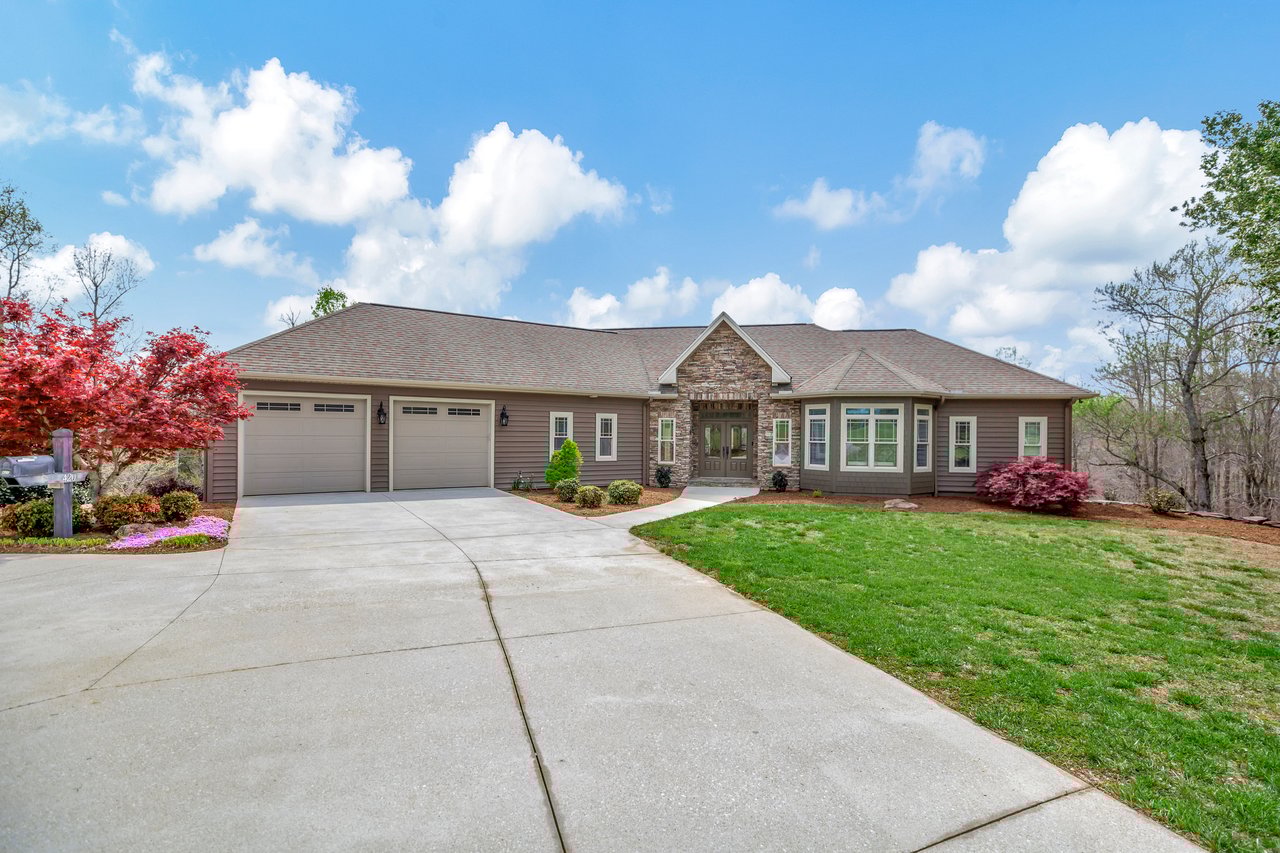
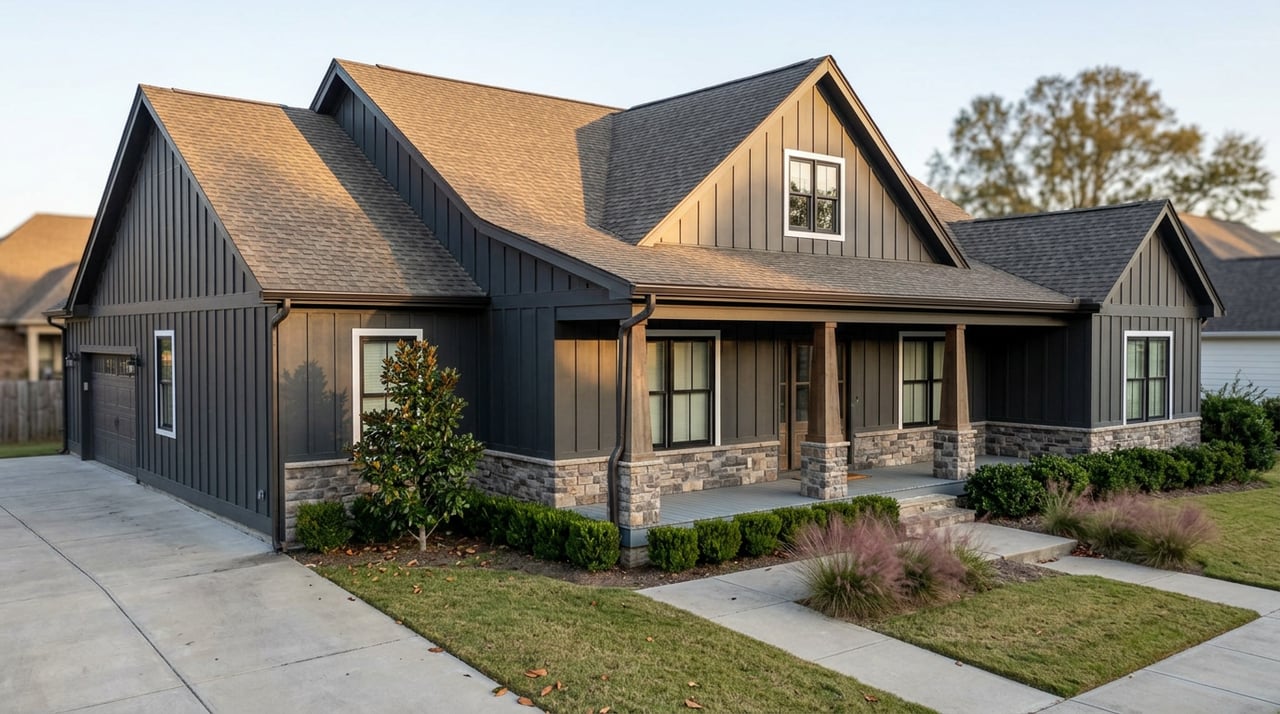
Contrast that with communities built around the university's rental economy directly. Crawford Falls, a gated community closer to the investor end of the spectrum, has listings marketed as ready-to-rent condos with built-in desks in each bedroom, designed for student tenants and sold with leases already in place through the academic year. Kingswood Cottages, a newer Rosewood-built community, is selling Craftsman-style cottages still under construction with completion dates running into 2026, aimed at buyers who want a low-maintenance home inside the same rental ecosystem.
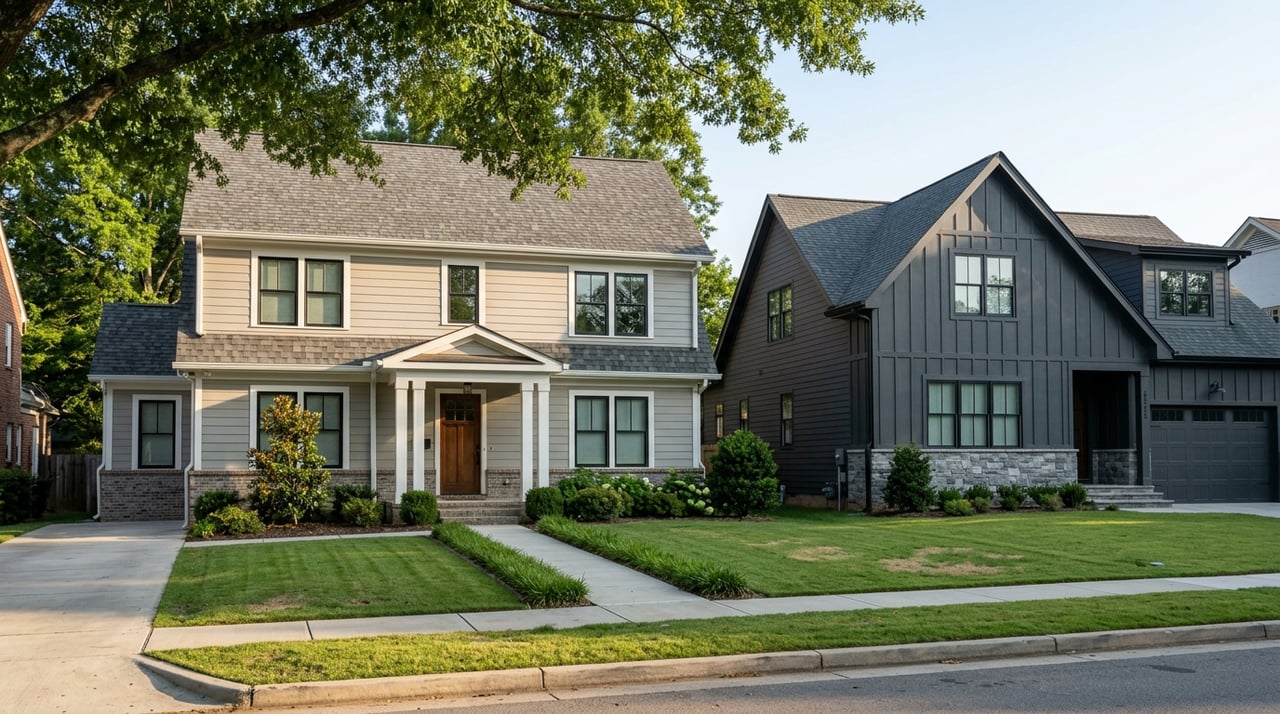
The point isn't that one of these is the "right" Clemson to buy in. It's that a single median price tells you almost nothing about which Clemson you're shopping in, and the rental strategy that works in one of these pockets doesn't transfer cleanly to another.
The regulatory wildcard worth watching
Clemson isn't operating in a vacuum on this. A bill currently before the South Carolina Senate, introduced in March 2025 and still working through the legislative process as of this writing, would explicitly authorize municipalities and counties to enact ordinances that limit the number of short-term rental properties allowed in a jurisdiction, including through caps, density limits, or zoning exclusions. It would also let local governments require a continuously available local representative for every registered short-term rental, which sounds a lot like the Person in Charge requirement Clemson already has on the books.
Nothing about this bill is settled, and it hasn't become law. But it's worth flagging for anyone underwriting a rental purchase on today's rules, because the direction of travel in South Carolina right now is toward more local control over short-term rentals, not less. A buyer modeling five or ten years of return on an investment property should treat the current 25-day cap as a floor for restriction, not a ceiling.
The actual takeaway
Clemson's football weekends are real demand, and they show up in every vacation rental search for the fall. But the city built its short-term rental rule around managing that demand, not monetizing it for property owners, and the 25-day cap means the weekend-arbitrage math most out-of-town buyers run in their head doesn't hold up against the actual ordinance. The properties that perform reliably in Clemson are the ones built for the twelve-month academic lease cycle, governed by the separate Rental Housing Ordinance, inspected annually, and priced according to which pocket of the city they sit in.
If you're comparing a Clemson purchase against other Western Upstate towns and trying to figure out which numbers to trust, that's exactly the kind of local detail worth a conversation before you write an offer. Thomas & Crain Real Estate works with investors and new-construction buyers across Oconee County and the Western Upstate corridor, including Clemson, and can walk you through what a specific property's zoning, permit history, and submarket actually support before you commit to a rental strategy that the ordinance won't let you run.